
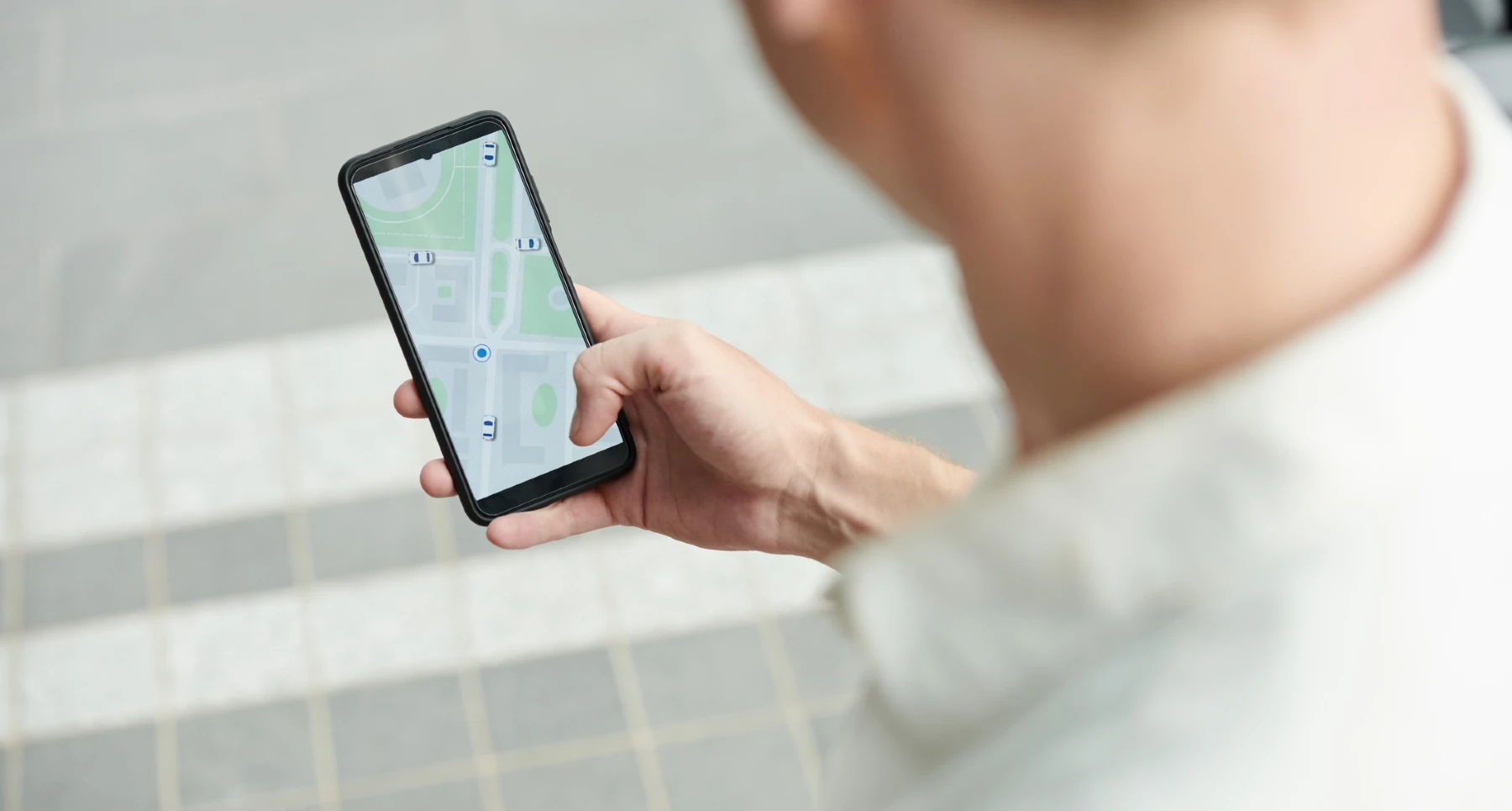
New laws in New South Wales make covert stalking with hidden GPS trackers a crime. Former partners can also now be charged with breaking into a home they once shared.
Content note: this article discusses domestic violence and stalking.
New South Wales (NSW) has made covert stalking a criminal offence. State Parliament passed the laws on 20 October, the government announced. The offence covers secretly monitoring a person who doesn't know they are being watched.
Until now, a stalking charge in NSW required the victim to fear harm. That test failed when the victim had no idea she was being tracked, AAP reported in May. The new offence applies where the conduct would reasonably cause fear of harm if the person knew of it.
Who is buying tracking devices
NSW Police charged people with unlawfully using tracking devices between 2010 and 2023. Of those, 82% were committing domestic violence offences, the government said when it introduced the reforms on 5 May.
Project Hakea, an NSW Crime Commission investigation, looked at people who bought GPS trackers. One in four had a criminal history of domestic and family violence. NSW Women's Safety Commissioner Hannah Tonkin said the true number is likely much higher, because of underreporting.
"Technology should not be a weapon of domestic abuse," said Yasmin Catley, the NSW Minister for Police.
What else the covert stalking laws change
Directing someone else to stalk a person is now an offence. So is promoting the unlawful use of a surveillance device. Advertising a device in a way that encourages unlawful use is also a crime under the Surveillance Devices Act. That holds even if the supplier didn't intend it.
A second change closes a loophole created by a 2023 High Court decision, BA v The King. Former partners who no longer live at a property can now be prosecuted for breaking in to harm a partner or ex-partner. Their name on a lease or title deed makes no difference. Someone barred from the home by a court order, bail condition or parole is no longer treated as an occupant.
"These changes are common sense and reflect the reality of victim-survivors' experiences," said Jodie Harrison, the Minister for the Prevention of Domestic Violence and Sexual Assault. The government has not said when the new offences take effect.
Other countries are catching up
Worldwide, 31.6% of women have experienced physical or sexual violence from a partner, or sexual violence from a non-partner, according to WHO's latest estimates. Laws meant to protect women are often only half enforced, Women's Health World reported this month.
Germany's federal cabinet approved a draft law against digital violence on 7 October. It includes a new offence of unauthorised digital surveillance, aimed at cyberstalking with GPS trackers, legal news service beck-aktuell reported. The draft still needs approval from the Bundestag.
Australia's online safety regulator has warned that cars are a new route for tracking. Frontline workers have reported abusers viewing trip histories and remotely locking doors, the eSafety Commissioner said. It estimates that more than 90% of new cars sold in Australia by 2031 will have built-in connectivity.
What women can do if they suspect tracking
The eSafety Commissioner advises talking to a trained domestic and family violence service before changing any devices or accounts. Its other steps include a new main account on a clean device, new passwords and two-factor authentication. Removing extra users from shared apps can cut off access. So can asking a car dealer to reset telematics and digital keys.
In Australia, 1800RESPECT offers confidential support 24 hours a day on 1800 737 732. It also takes texts on 0458 737 732 and offers online chat. Anyone in immediate danger should call 000. Outside Australia, contact local emergency services or a national domestic violence helpline.