The average country scores 67 out of 100 for laws supporting women’s economic equality, and 53 for enforcing them, the World Bank finds. The gap is widest on safety from violence, but 68 economies passed reforms in two years, and Egypt shows how fast laws can change.
Content note: this article discusses violence against women, including killings by partners.
Laws that support women’s economic equality score 67 out of 100 in the average country. Enforcement of those same laws scores 53.
The World Bank measured both in Women, Business and the Law 2026, published on 24 February 2026. It added a third score, 47, for the policies and services needed to put laws into practice. Legal experts surveyed for the report estimate that equal-opportunity laws are only about half enforced.
Only 4% of women worldwide live in economies with nearly full legal equality. Even if every existing law were fully enforced, women would hold about two-thirds of the legal rights men have.
The report covers 190 economies across ten areas in its data series: safety, mobility, work, pay, marriage, parenthood, childcare, entrepreneurship, assets and pensions. Its data are current to 1 October 2025.
Safety laws fail four times in five
Protection from violence shows the widest gap. About a third of the laws needed are in place, the World Bank found, and enforcement fails about 80% of the time.
The safety indicator covers child marriage, sexual harassment, domestic violence and femicide, the intentional killing of women with a gender-related motive. In May 2024, World Bank researchers reported a global average safety score of 36.3 out of 100 in the earlier edition, the lowest of its ten indicators. Only 29 economies explicitly criminalised femicide. In 139, child marriage legislation fell short, and only 39 had government-funded support services for survivors.
Injuries, pregnancy loss and depression
The World Health Organization says about 31.6% of women worldwide have experienced physical or sexual violence from a partner, or sexual violence from someone else, in their lifetime. The 2025 Global Burden of Disease estimates rank intimate partner violence as the fourth leading cause of poor health among women.
WHO lists injuries, chronic pain, unintended pregnancy, unsafe abortion and sexually transmitted infections including HIV among the harms. Women subjected to violence in pregnancy face a higher likelihood of miscarriage, stillbirth and preterm birth. Depression, anxiety, post-traumatic stress and suicide attempts are also more common.
WHO names the absence or non-enforcement of laws against violence as a risk factor at community level. Poverty, unemployment and discriminatory laws on property, inheritance, marriage, divorce and child custody also appear on its list. Several of these fall within the World Bank’s assets, marriage and work indicators.
France: reports made, protection missing
France’s Interior Ministry found that 111 women were killed by a partner or former partner in 2025. Of those women, 37% had already suffered violence, and 61% of that group had reported it to police or gendarmes. Only one of the women killed had a “grave danger” emergency phone.
Globally, around 83,000 women and girls were killed intentionally in 2024, the UN Office on Drugs and Crime reports. About 60% were killed by an intimate partner or family member. For men, the figure was 11%.
Childcare support reaches 1% in low-income economies
Fewer than half of the 190 economies have laws providing financial or tax support for childcare. Among those that do, 30% of the policies needed for affordable, good-quality childcare are in place. In low-income economies, the figure is 1%.
Indermit Gill, the World Bank Group’s chief economist, said: “On paper, most countries are doing reasonably well.” He said the findings give policymakers the evidence to reverse a decline in growth potential. About 1.2 billion young people will enter the workforce over the next decade, half of them girls.
Egypt and Sub-Saharan Africa lead on reform
Over the two years covered, 68 economies enacted 113 reforms that strengthened women’s economic opportunities. Entrepreneurship and safety from violence saw the most progress. Sub-Saharan Africa recorded 33 reforms, more than any other region. Madagascar and Somalia lifted bans on women working in construction, manufacturing and agriculture, and seven countries expanded paternity leave.
Egypt was the top reformer, raising its legal equality score by nearly 10 points. It extended paid maternity leave from 90 to 120 days and introduced one day of paid paternity leave. It also mandated equal pay and gave workers the right to request flexible work. Jordan and Oman also made progress, the World Bank said.
Tea Trumbic, manager of the Women, Business and the Law project and the report’s lead author, described equal opportunity as “an economic must-have, in short, not just a nice-to-have”.
The UN’s Gender Snapshot 2026, published in September, shows the strain on the institutions that turn laws into practice. One in three national gender equality mechanisms had lost institutional power in two years, and around one in four had their budgets cut. Funding for gender equality has fallen to its lowest level since 2021.
Checking your country’s laws and finding help
The World Bank publishes the full 2026 dataset for all 190 economies across its ten topics, and it can be filtered by economy. Women’s groups, journalists and researchers can use it to see which protections their own country has in law and how far they are enforced.
WHO says the health sector can provide comprehensive services for survivors, particularly sexual and reproductive health and mental health care. It can also coordinate referrals between health, justice, social services and child protection.
The UN’s CEDAW committee reviews in public how each country applies the convention on discrimination against women. Of the 189 states that have ratified it, 114 have also accepted its Optional Protocol, which lets individuals bring complaints to the committee once national remedies are exhausted.
National services set out what the law already offers. In France, the government’s Service-Public.fr guide explains how to request a protection order from a family court judge, even without filing a complaint. It lists the free, anonymous 3919 line, open 24 hours a day.
Norman Loayza, director of the World Bank’s Policy Indicators Group, said: “True equality begins with safety. Whether at home, at work, or in public, women deserve protection to thrive.”
If you have been affected by any of the issues in this article, Find A Helpline lists free, confidential support services by country.
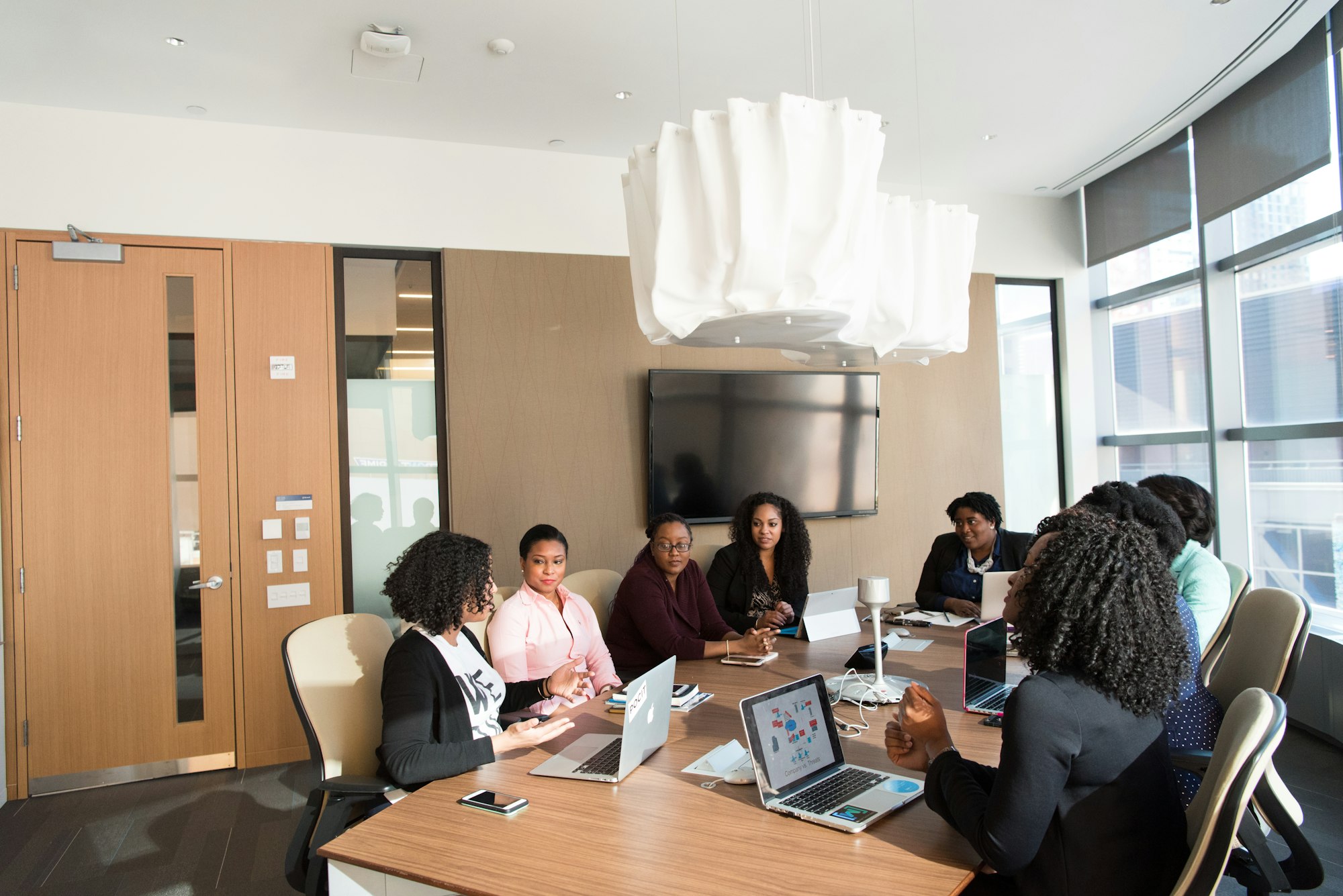
Header image: Christina @ wocintechchat.com M on Unsplash