
US medical bodies want women's heart risk tracked from a girl's first period to old age. A European analysis published days earlier shows how much of that risk depends on where a woman lives.
Four US bodies have published papers setting out how clinicians should prevent and manage cardiovascular disease across women's lives. They are the American Heart Association (AHA) and the American College of Obstetricians and Gynecologists. The American Academy of Pediatrics and the Society for Maternal-Fetal Medicine joined them. Their three joint papers appear in the journal Circulation.
Cardiovascular disease is the leading cause of death in women, claiming more than 400,000 lives in the US each year, the AHA says. Yet only about 41% of women recognise it as their greatest health threat.
Days earlier, the European Heart Journal published an analysis of sex differences in heart disease. It draws on the European Society of Cardiology (ESC) Atlas and covers 55 countries. Women's death rates from cardiovascular disease varied 11-fold between those countries in 2023. For deaths before the age of 70, the gap reached 25-fold.
Both publications link women's risk to life stage and pregnancy, and the European data add geography. The AHA says much of that risk can be prevented.
Four life stages, each with its own risks
Perimenarche, from about age 8 to 15, is the first of four stages in the US guidance. Ovarian cycling covers roughly 15 to 44, perimenopause about 45 to 51, and postmenopause the years after.
Menstrual cycle patterns now count as "a female-specific vital sign". Heavy or irregular periods can signal underlying risk. One such condition is polyendocrine metabolic ovarian syndrome (PMOS), the new name for polycystic ovary syndrome. "Heart health begins long before adulthood," said Amanda Marma Perak, a paediatric cardiologist at Lurie Children's Hospital in Chicago.
Pregnancy at any age works as a biological "stress test", the papers say. High blood pressure in pregnancy, pre-eclampsia, gestational diabetes and preterm birth all count as female-specific risk factors. "An adverse pregnancy outcome can unmask increased cardiovascular risk," said William Grobman, a professor of obstetrics and gynaecology at Brown University. In the US, cardiovascular conditions cause more than a third of maternal deaths.
Only about 60% of US women with blood pressure complications in pregnancy get follow-up care within six months of birth.

Cholesterol and metabolic changes during perimenopause can be early signs of cardiovascular risk, the guidance says. The years after menopause can make up 40% of a woman's life. Most heart attacks, strokes and heart failure events in women happen then. The AHA says they are more than 80% preventable with early action.
Europe's picture: where a woman lives shapes her risk
Nathalie Conrad led the European analysis, using Global Burden of Disease 2023 estimates. Women had 55% of new cardiovascular disease cases across the countries studied, or 6,013,197 cases. They also accounted for about half of cardiovascular deaths.
High blood pressure disorders of pregnancy made up 25% of new cardiovascular disease in women. Their rate varied up to 18-fold between countries. From 1990 to 2023, new cases fell less among women than among men. Death rates fell by about the same proportion in both sexes.
Women had lower exposure to tobacco and alcohol than men. Low physical activity was more common among women in every ESC country. High body mass index was more common among women in Central Asia, North Africa and the Middle East.
Global Burden of Disease figures are modelled estimates with uncertainty ranges. Counting pregnancy blood pressure disorders as heart disease also raises women's share of new cases. Without them, ischaemic heart disease made up 28% of new cardiovascular disease in women.
What women can do to lower their risk
The World Health Organization (WHO) names four main behavioural risks for heart disease and stroke. These are unhealthy diet, physical inactivity, tobacco and harmful alcohol use.
WHO's hypertension guidance recommends at least 150 minutes of moderate-intensity activity a week. It adds strength exercises on two or more days. WHO also advises eating more vegetables and fruit and keeping salt under 2 grams a day. It advises against tobacco and sets a limit of one alcoholic drink a day for women.
Sleep is the addition in the AHA's Life's Essential 8. Its eight measures are diet, physical activity, nicotine exposure, sleep health, body weight, blood lipids, blood glucose and blood pressure. The last three need a test from a health professional. In women with diabetes, blood pressure and blood fats shape heart attack risk, a Norwegian study found.
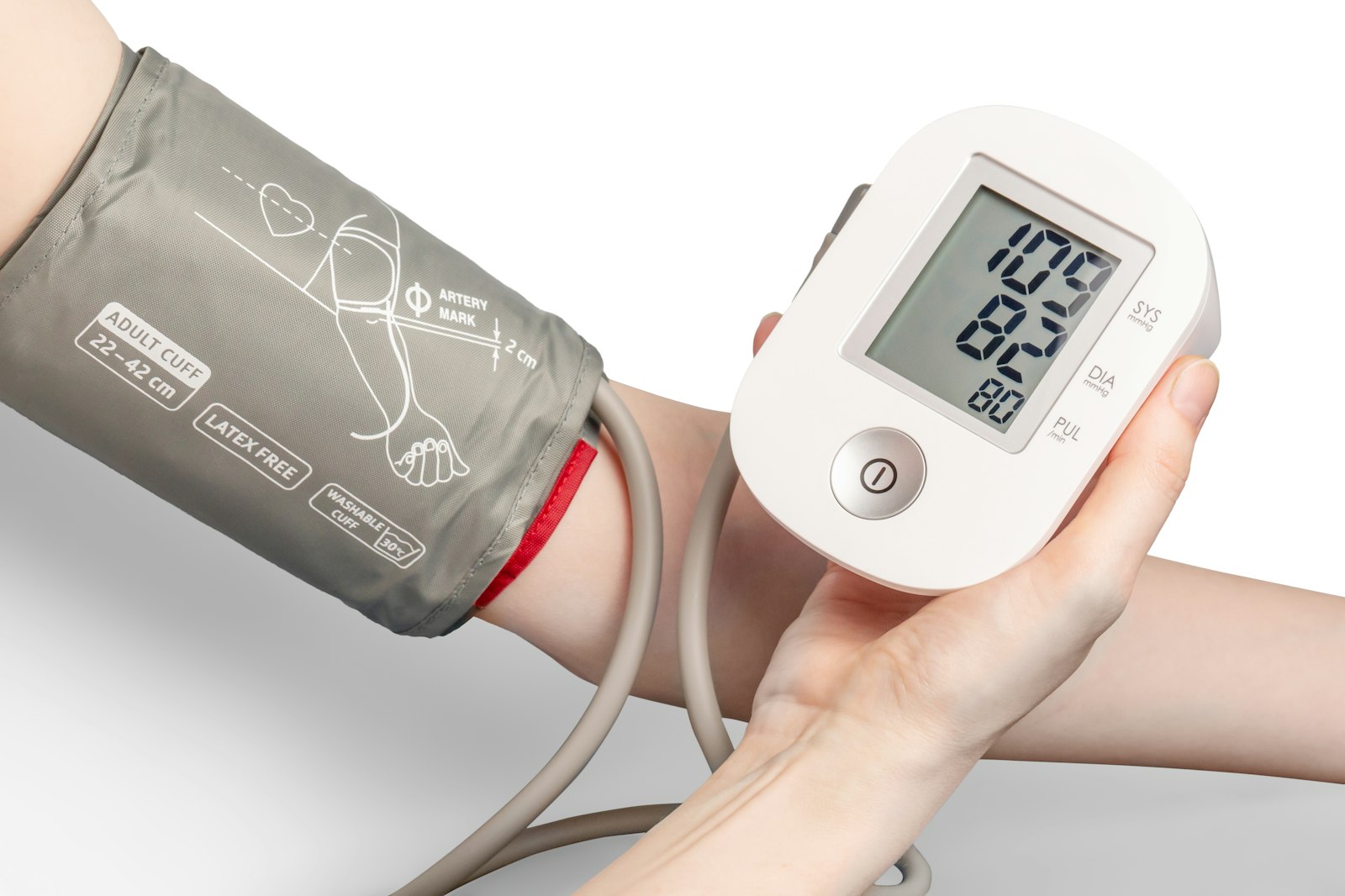
Hypertension affected 1.4 billion adults aged 30 to 79 in 2024, WHO estimates. Some 44% of them didn't know it. "Checking your blood pressure is the best way to know if you have high blood pressure," WHO says. Home monitors can help, but a health professional should confirm a diagnosis and assess overall risk.
Under the US guidance, very heavy or irregular periods are worth raising with a doctor as part of a heart health check. Women who had high blood pressure, pre-eclampsia or gestational diabetes in pregnancy can tell every doctor they see, years after the birth. Perimenopause is another moment to ask about cholesterol and metabolic health.
In the UK, NICE's quality standard covers women who had gestational hypertension or pre-eclampsia. It says they should discuss lifetime cardiovascular risks at their six- to eight-week postnatal check.
Europe's 11-fold gap reflects differences between countries that no woman can close through her own habits. Symptoms also need prompt action. WHO says women are more likely than men to have shortness of breath, nausea, vomiting, and back or jaw pain during a heart attack. Anyone with these symptoms, chest pain or sudden one-sided weakness should seek medical care immediately.
How health systems are responding
The US papers propose a national network of Comprehensive Centers of Excellence for Women's Cardiovascular Care. "Women experience their healthcare across clinical specialties, but it often is fragmented or disconnected," said Sadiya Khan. She chairs the writing group and is a professor of cardiovascular epidemiology at Northwestern University.
Clinicians are also advised to use the AHA's PREVENT equations. These estimate a woman's 10- and 30-year cardiovascular risk. According to the AHA, the 2026 AHA and American College of Cardiology cholesterol guideline now counts pregnancy-related factors. A new heart attack definition also adds sex-specific thresholds to tackle underdiagnosis in women.
In Europe, the ESC Atlas authors say their findings challenge approaches "that treat CVD as a homogeneous condition". They call for "a life-course and sex- and gender-informed approach" to prevention and policy. Their own data show where that approach could start: pregnancy blood pressure disorders vary up to 18-fold across the region.
This content is for information only and does not replace advice from a qualified health professional.
Header image: Centre for Ageing Better on Unsplash. Body images: Suhyeon Choi and Mockup Graphics on Unsplash.