Women are more likely than men to live with obesity and to be insufficiently active, WHO's first global inequality report finds. In low- and middle-income countries, cervical screening reaches five times as many of the richest women as the poorest.
The World Health Organization has published its first global assessment of chronic disease inequality within countries. State of inequality: noncommunicable diseases and their risk factors analyses 35 indicators from nine multicountry data sources. It breaks them down by up to eight dimensions, including sex, wealth, education and place of residence.
Noncommunicable diseases (NCDs) are long-term conditions such as cancer, heart disease, diabetes and chronic lung disease. In 2023, 40% of NCD deaths were premature, occurring before age 70, the report says. It adds that many could have been prevented.
"We know that there are inequalities embedded in all aspects of health," said Dr Ahmad Reza Hosseinpoor in the WHO news release. He is WHO's Health Inequality Monitoring Team Lead. For women, the report's data show wide gaps in weight, physical activity, cancer screening and exposure to smoke at home.
Women and men face different risks
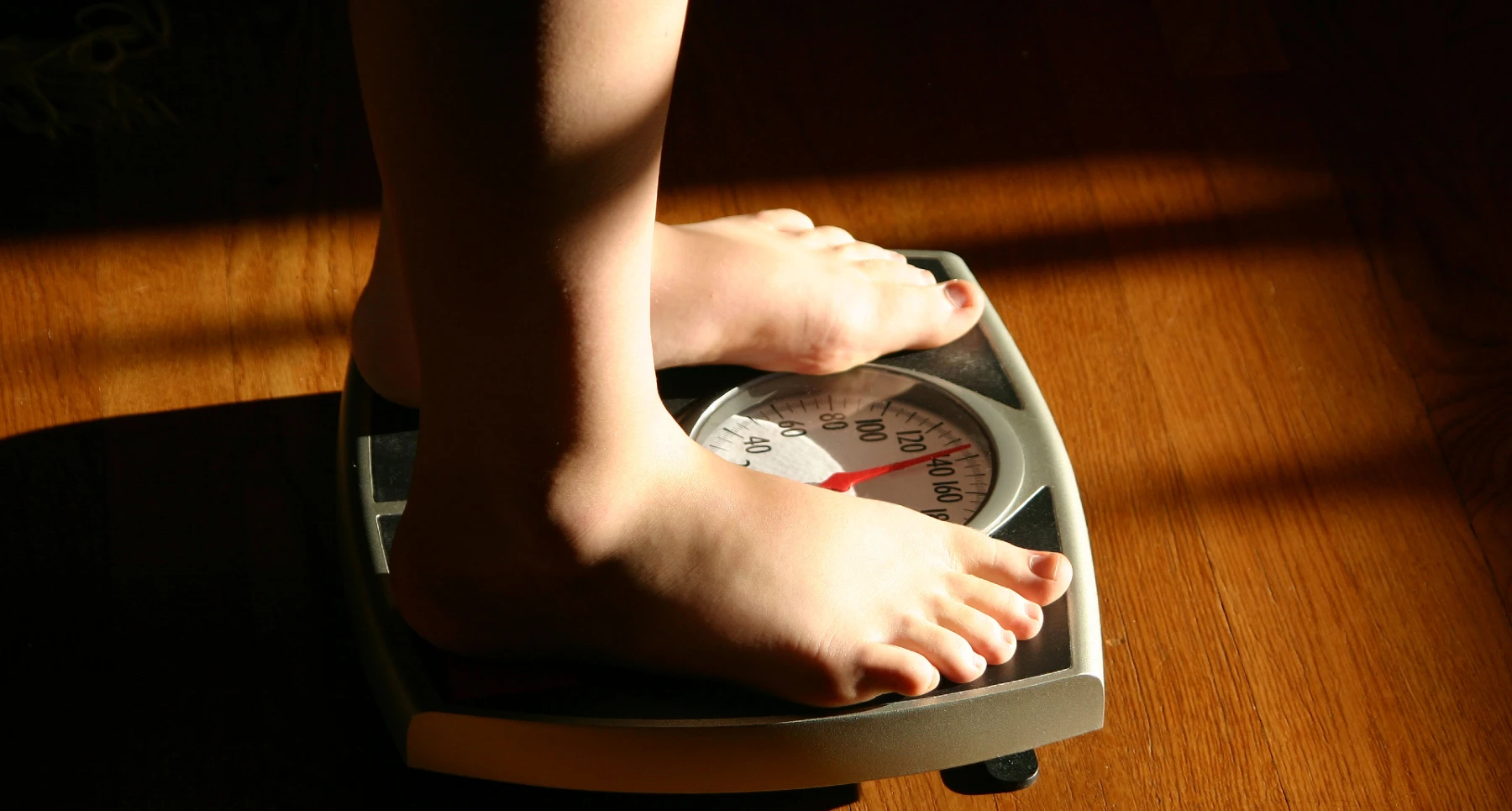
Obesity affected 18.4% of women and 13.9% of men worldwide in 2024, according to NCD Risk Factor Collaboration estimates in the report. The gap is widest among adults aged 45 to 79 and in WHO's African and Eastern Mediterranean regions. In high-income countries, rates are similar for both sexes.
In 2022, 33.8% of women and 28.7% of men were not active enough. Men were more active than women in every WHO region except the Western Pacific. There, the regional estimate is shaped by China, where women are more active than men.
Where women and men differ
Global estimates for adults, age-standardised, by sex. Hover or tab to each row for values.
Risk factors (lower is better)
Care for high blood pressure, adults 30 to 79 with hypertension, 2019 (higher is better)
Population-weighted estimates across countries. Alcohol figures are not age-standardised. Source: WHO, State of inequality: noncommunicable diseases and their risk factors (2026), Fig. E1 and chapters 4, 7, 8, 9 and 10, using NCD-RisC and WHO Global Health Observatory estimates.
Show the data as a table
| Group | Women | Men |
|---|---|---|
| Risk factors (lower is better): Obesity (adults 18+, 2024) | 18.4% | 13.9% |
| Risk factors (lower is better): Not physically active enough (adults 18+, 2022) | 33.8% | 28.7% |
| Risk factors (lower is better): Drank alcohol in past year (age 15+, 2019) | 35.4% | 52.2% |
| Risk factors (lower is better): Use tobacco (age 15+, 2024) | 6.6% | 32.5% |
| Care for high blood pressure, adults 30 to 79 with hypertension, 2019 (higher is better): Diagnosed | 58.9% | 49.0% |
| Care for high blood pressure, adults 30 to 79 with hypertension, 2019 (higher is better): Treated | 47.2% | 37.9% |
| Care for high blood pressure, adults 30 to 79 with hypertension, 2019 (higher is better): Under control | 23.5% | 18.4% |
Men used tobacco at almost five times the rate of women in 2024: 32.5% against 6.6%. That global average is population-weighted across 166 countries, so it hides wide regional differences. Tobacco use among European women reached 17.4% in 2024, the highest of any region, according to WHO's 2025 tobacco trends report.
Women with high blood pressure are more likely than men to know about it. In 2019, 58.9% of women with hypertension had been diagnosed, against 49.0% of men. Only 23.5% of women and 18.4% of men had their blood pressure under control.
Among adults with diabetes in 32 mostly low- and middle-income countries, women were more likely to also have hypertension. The median was 63.0% for women and 57.7% for men.
Why men smoke and drink more
In 2019, 52.2% of men had drunk alcohol in the past year, against 35.4% of women. Men use more tobacco than women in almost every country, the report notes.
A 2011 study in the Bulletin of the World Health Organization compared 74 countries. Where women held more economic and political power, their smoking rates came closer to men's. The authors pointed to social disapproval of women smoking, women's lower incomes and tobacco marketing that presented smoking as emancipation. The study compared countries, so it can't show that empowerment itself causes women to smoke.
For alcohol, the report cites the Gender, Alcohol and Culture: an International Study (GENACIS). It showed how gender norms, social roles and cultural expectations shape drinking across countries.
Differences in acceptability, opportunity and social sanctions drive higher drinking among men in most societies, the report says. It did not analyse religion. It warns that drinking may be under-reported "in cultures or subgroups where alcohol use is strictly prohibited or discouraged". Its examples include Muslim-majority countries and women.
The gap between men's and women's drinking was smallest in WHO's Eastern Mediterranean Region, where few people of either sex drink. In the Republic of Korea, women's drinking rose proportionally faster than men's between 1998 and 2018.
The poorest women are screened least
Across 22 low- and middle-income countries, a median of 5.9% of the poorest women aged 30 to 49 had ever had a cervical screen. Among the richest fifth of households, the figure was 29.6%.
Women with less than primary education had a median coverage of 7.2%, against 28.7% for those with secondary education or more. Rural women had a median of 9.8%, against 21.6% in cities.
Who has ever had a cervical screen
Women aged 30 to 49 in 22 low- and middle-income countries, median share ever screened. Hover or tab to each row.
By household wealth
By education
By place of residence
Self-reported lifetime screening. Medians across countries with data for each breakdown; survey years 2013 to 2022. Source: WHO, State of inequality: noncommunicable diseases and their risk factors (2026), Fig. 3, using Demographic and Health Surveys data.
Show the data as a table
| Group | Ever screened |
|---|---|
| By household wealth: Poorest fifth | 5.9% |
| By household wealth: Second fifth | 8.4% |
| By household wealth: Middle fifth | 11.5% |
| By household wealth: Fourth fifth | 16.7% |
| By household wealth: Richest fifth | 29.6% |
| By education: Less than primary | 7.2% |
| By education: Primary | 18.4% |
| By education: Secondary or higher | 28.7% |
| By place of residence: Rural | 9.8% |
| By place of residence: Urban | 21.6% |
Breast screening had reached 6.2% of the poorest women aged 15 to 49 in 15 low- and middle-income countries. Among the richest, it had reached 20.0%.
In 31 mostly high-income European countries, cervical screening coverage ran from 79.8% among the poorest women to 91.0% among the richest. Several European countries still had gaps of more than 20 percentage points between their richest and poorest women.
National averages can hide these gaps, the report notes. In 11 low- and middle-income countries where more than half of women had been screened, education made little difference. In several countries with lower coverage, women with secondary education were at least twice as likely to have been screened.
Cervical cancer caused around 280,000 deaths in 2024, from around 604,000 new cases, according to WHO's cervical cancer fact sheet. WHO's elimination strategy aims for 70% of women to be screened by ages 35 and 45.
Wealth and weight move in opposite directions
In low- and middle-income countries, obesity rises with wealth. Across 47 countries, 3.0% of the poorest women aged 15 to 49 had obesity, against 17.6% of the richest. In 30 European countries the pattern reverses: 20.1% of the poorest women reported obesity, against 12.4% of the richest.
Wealth and obesity among women run in opposite directions
Median share of women with obesity, poorest and richest fifth of households. Hover or tab to each row.
The two sources use different age ranges and methods, so compare the direction of each gap, not the levels. Source: WHO, State of inequality: noncommunicable diseases and their risk factors (2026), Fig. E2 and E3.
Show the data as a table
| Group | Poorest fifth | Richest fifth |
|---|---|---|
| Low- and middle-income countries (women 15 to 49, measured, 47 countries) | 3.0% | 17.6% |
| High-income European countries (women 18+, self-reported, 30 countries) | 20.1% | 12.4% |
Daily sugar-sweetened drink consumption in Europe was 10.1% among the poorest people and 5.9% among the richest. Low leisure-time physical activity was 82.6% among the poorest, against 63.2% among the richest.
Smoke at home falls on poorer and rural households
Across 54 low- and middle-income countries, a median of 99.9% of people in the poorest fifth of households relied mainly on polluting cooking fuels. Among the richest fifth, the figure was 21.4%. Worldwide, 39.6% of rural people relied on such fuels in 2024, against 13.5% of people in cities.
Who cooks mainly with polluting fuels
Share of people whose households rely mainly on polluting fuels or technologies for cooking. Hover or tab to each row.
By household wealth, median of 54 low- and middle-income countries
By place of residence, population-weighted, 191 countries
The two panels use different sources and summary measures. Source: WHO, State of inequality: noncommunicable diseases and their risk factors (2026), Fig. E2 and E4.
Show the data as a table
| Group | Share of people |
|---|---|
| By household wealth, median of 54 low- and middle-income countries: Poorest fifth | 99.9% |
| By household wealth, median of 54 low- and middle-income countries: Richest fifth | 21.4% |
| By place of residence, population-weighted, 191 countries: Rural | 39.6% |
| By place of residence, population-weighted, 191 countries: Urban | 13.5% |
The report says caregiving, "often borne by women", can "increase exposure to household air pollution through use of polluting fuels for cooking". WHO's household air pollution fact sheet estimates that household air pollution caused 2.9 million deaths in 2021.
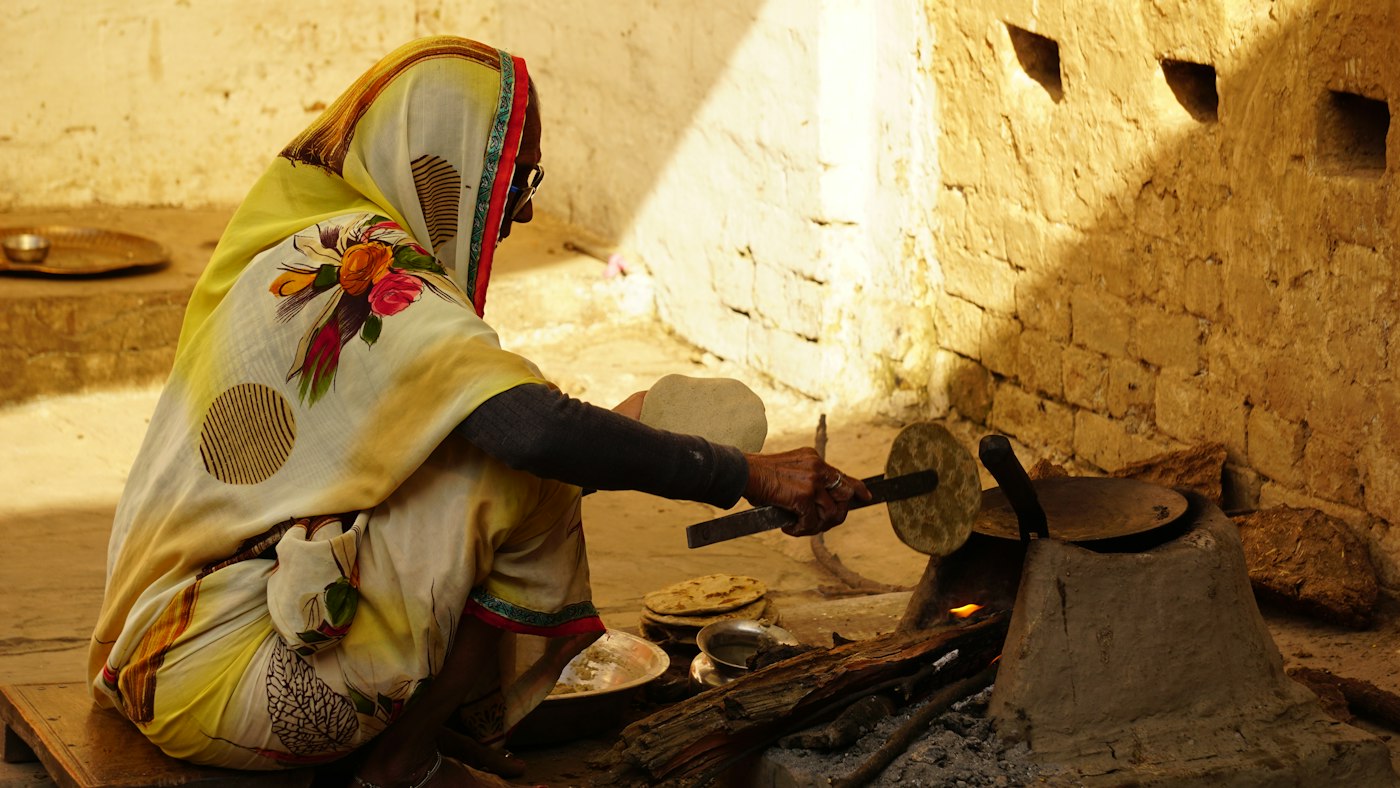
Photo: Shruti Singh on Unsplash
In WHO's South-East Asia Region, 14.6% of women use smokeless tobacco, against 27.5% of men. Across low- and middle-income countries, use is higher among the poorest, least-educated and rural groups.
Why the gaps open up
Labour markets shape many of these differences, the report says. Women are disproportionately represented in informal, low-paid or unpaid work. That affects their income, social protection and ability to afford healthy diets, safe environments and health care.
Caring for others also limits women's time for physical activity and for preventive care, according to the report. It finds that social norms and expectations influence tobacco and alcohol use among men.
What the data can't yet show
Survey data in the report date from 2013 to 2022, and some measures are self-reported. Data on disability and migration came only from European countries. Ethnicity, religion and subnational region were not assessed because data varied too much between countries.
The report looks at one dimension of inequality at a time, apart from splitting some results by sex. It can't show how poverty, rural living and gender combine for the same woman. Mental health, which WHO counts among noncommunicable conditions, was not covered. Many health systems, particularly in low- and middle-income countries, do not routinely collect sex-disaggregated data, the report says.
How the gaps are being addressed
The report calls for gender-responsive NCD programmes and for WHO's "best buys" to be adapted to reach the groups most affected. It names targeted investment "in rural health services, clean energy solutions and built environments that promote healthy behaviours".
WHO's advocacy brief sets out three actions: scale up proven interventions, target services with inequality data and measure inequalities routinely. Its examples include programmes that address "cultural norms that discourage physical activity among women and girls".
The brief also backs place-based programmes that take screening to areas where few people have been screened before. Combining several checks in one visit is one way to do that. It also suits women whose caring duties, the report notes, leave little time for preventive care. Kenya, Côte d'Ivoire and Zimbabwe are piloting such a model with WHO support.
In Kenya, the government-led Women's Integrated Cancer Screening programme checks for breast and cervical cancer in a single visit. The same visit covers diabetes, hypertension and mental health conditions. By December 2025 it had screened 3,767 women in Bungoma and Nyandarua counties, WHO's Africa office reported. Those checks found 686 abnormal results, allowing earlier treatment.

Photo: Vitaly Gariev on Unsplash
Closing the gaps takes policy and services together
The report traces inequality along the whole path of chronic disease. It runs from exposure to risk factors through to gaps in screening, diagnosis and treatment. Closing it means acting at each stage, both inside and outside the health sector, the report argues.
Some of the answers lie outside health services. The report calls for clean energy for households that still cook with polluting fuels, and for built environments that support physical activity. The brief adds that social protection which improves income security can support better and more equitable health.
Taxes on tobacco, alcohol and sugary drinks are among the measures WHO recommends. Tobacco tax rises bring greater health benefits to poorer smokers, who respond more to price increases, the report says. The revenue can fund health coverage or services for low-income groups.
Services also need to reach women directly. In low- and middle-income countries, the poorest women were a fifth as likely as the richest to have had a cervical screen. Outreach to under-screened areas, self-sampling for HPV and single visits covering several conditions all bring care closer to them.
Routine measurement links policy and services, according to the report. Disaggregated data show where prevention, diagnosis and treatment are failing particular groups, and whether gaps are narrowing. Evidence-based interventions for some of these inequalities already exist, the brief notes.
What women can do
WHO advises adults to do at least 150 minutes of moderate-intensity physical activity each week, according to its physical activity fact sheet. Income, work and place shape many of these gaps, so individual choices alone can't close them.
For cervical screening, WHO recommends an HPV test every five to 10 years from age 30. Women living with HIV should start at 25 and be screened every three to five years. WHO says self-collected HPV samples are as reliable as those taken by a health worker.
Ask about blood pressure, blood sugar and screening at any routine health visit. Programmes differ by country, so check what your national health service offers. The report's full data, broken down by country, can be explored in WHO's Health Inequality Monitor.
This content is for information only and does not replace advice from a qualified health professional.
Header image: Joel Muniz on Unsplash