UNFPA's State of World Population report draws on the views of more than 100,000 young people. It finds a generation that wants stable work, partners and children, and young women facing the steeper climb to reach them.
Content note: this article includes references to sexual and intimate partner violence.
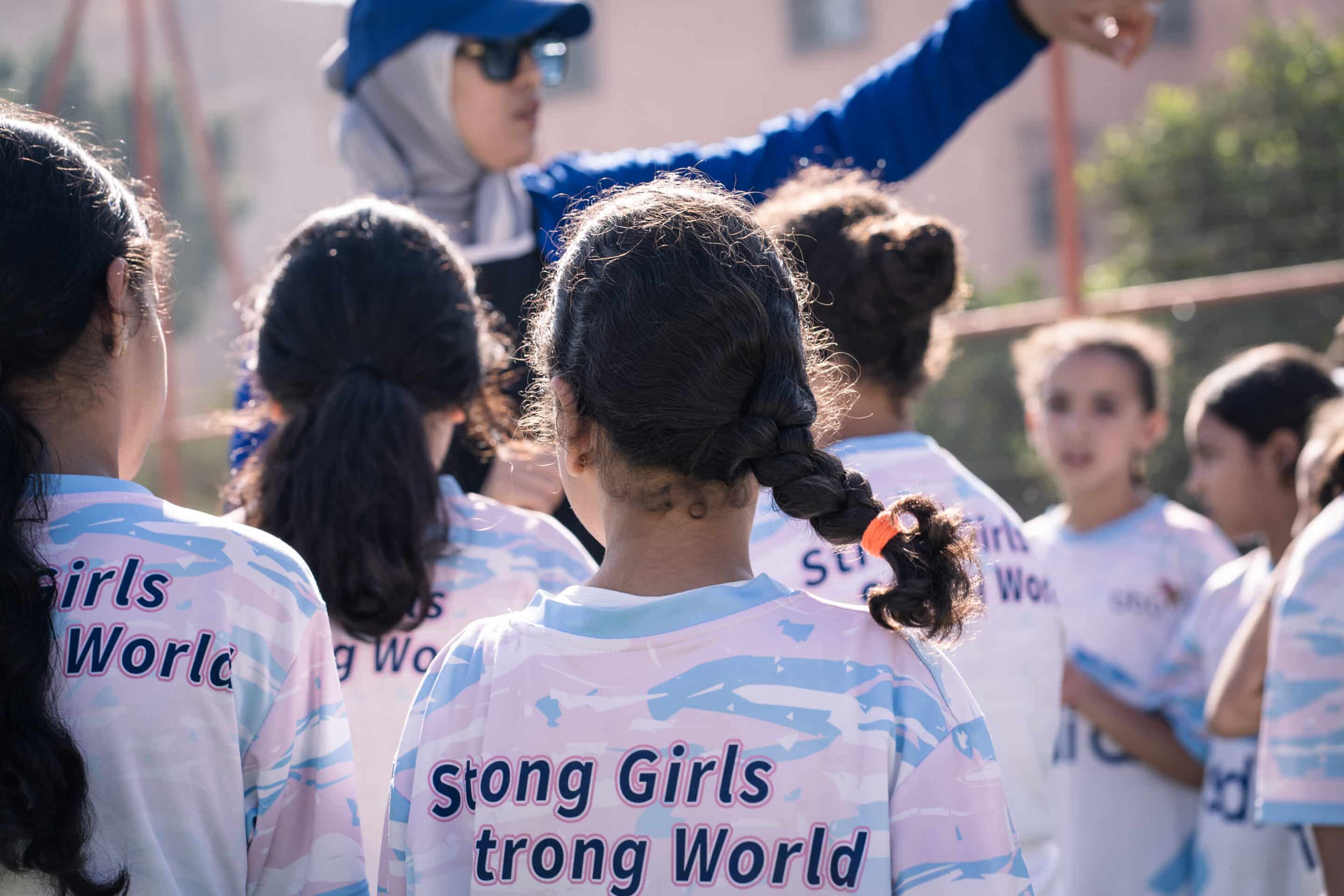
Imane Lemrini was 12 when transport problems pushed her out of school in Guercif, in north-east Morocco. She stayed out for three years. A second-chance programme brought her back, first to tailoring, then to sewing-machine repair and electrical installation.
"I was the only girl among the boys," she told UNFPA. "But my brother and sister supported me. They weren't among those saying 'you can't do it because you're a girl.'"
Morocco has 2.9 million young people aged 15 to 29 who are not in education, employment or training. Girls make up 69% of them. Imane is one of the young people profiled in Succeeding Generations. It is the United Nations Population Fund's State of World Population report for 2026.
UNFPA published the report on 18 November. It sets out why young people, the best-educated and best-connected generation yet, are finding the basics of adult life harder to reach. Those basics range from a paid job and a home to a partner and a family.
A report built on young people's own answers
UNFPA's Demographic Futures Survey is the largest source in the report. It covered 108,926 internet-connected adults aged 18 to 39 in 73 countries and territories. In March 2026, UNFPA also consulted more than 300 young people from over 40 countries. Surveys by the UN Youth Envoy's office and others add to the picture.
Its authors list the survey's limits. Respondents are online, and so more likely than their peers to have degrees and higher incomes. The results are weighted by sex, age and education, but they "are not nationally representative". Each age group is also a different set of people surveyed at one time, so the data cannot track the same person growing up.
Diene Keita, UNFPA's Executive Director, commented in the launch release. "Young people want independence, stable relationships, and many want children," she said. "But too often, economic insecurity, unaffordable housing, conflict and exclusion are putting those aspirations out of reach."
Paid work arrives later for young women
One in five young people worldwide are not in employment, education or training. The gender gap inside that figure is wide. Among women and girls aged 15 to 24, the rate is 27%, more than double that of young men. For young men, it stayed at roughly 13% between 2015 and 2025.
The report links the gap partly to "disproportional unpaid care responsibilities and gender discrimination". It also finds new forms of old bias. Research from several countries shows customers rating female workers lower, the report notes.
UNFPA's own survey shows the same pattern from another angle. Half of the men surveyed are employed by ages 20 to 24. Most women are not employed until ages 25 to 29, and their employment stays lower than men's in every age group. By ages 35 to 39, 70% of women in the sample are employed, against 84% of men.
The gap is widest in the Arab States. There, 54.5% of women aged 35 to 39 in the survey were employed, compared with 86.5% of men. In West and Central Africa, the two were close, at 82.2% and 84.3%.
Fewer young women than men are in work at every age, while more are in couples
Share of internet-connected respondents aged 18 to 39 in 73 countries and territories, by age group and sex
Employed
In a stable relationship
Has at least one child
View the data
| Women / men (%) | 18–19 | 20–24 | 25–29 | 30–34 | 35–39 |
|---|---|---|---|---|---|
| Employed | 21 / 28 | 40 / 50 | 61 / 73 | 65 / 82 | 70 / 84 |
| In a stable relationship | 20 / 13 | 35 / 22 | 55 / 37 | 67 / 54 | 70 / 61 |
| Has at least one child | 11 / 12 | 26 / 19 | 46 / 31 | 62 / 48 | 70 / 59 |
Source: UNFPA, State of World Population 2026, analysis of the Demographic Futures Survey (Figure 1). Not nationally representative. Each age group is a different set of people surveyed at one point in time. Chart: Women’s Health World
More young women are in couples and raising children
Most women in the survey are in a stable relationship by ages 25 to 29, while most men reach that point at 30 to 34. A larger share of women than men are in a relationship in every age group and every region. Male partners are, on average, 2.4 years older.
By ages 30 to 34, most women surveyed are parents, while most men reach that point at 35 to 39. The data are a snapshot, so they cannot show the order in which any one person reached these milestones.
UNFPA rejects the idea that young people are turning away from family life. It is "incorrect to say that young people are, generally, 'rejecting' marriage and parenthood", it says. More than 90% of respondents want one or more children, and 70% see marriage as their ideal arrangement.
Money is the main obstacle. Financial security was the top consideration for forming a partnership, rated important by 81% of respondents. Some 72% rated economic and housing constraints as an important barrier to having children. On average, women rated every precondition for parenthood as more important than men did.
By ages 35 to 39, 23% of women and 26% of men said they had fewer children than they would like. Among those aged 25 to 39 who want a partner, 19% of women and 30% of men are single and not dating.
In the same survey, 65% of female respondents said partners doing too little housework and childcare was an important barrier to their parenthood goals. Young women in the consultations also described "cultural, social and even state pressure to have children". The report calls that pressure "both real and gendered".
The health gains that are now at risk
UNFPA calls advances in adolescent sexual and reproductive health "among the greatest, and most unsung, successes in public health history". Its own figures support that claim.
Between 2000 and 2023, adolescent birth rates halved in Western Europe, East Asia and the Pacific, North America and South Asia. Eastern Europe, Central Asia and Latin America and the Caribbean saw falls of roughly 40% to 50%. In East and Southern Africa and West and Central Africa, rates fell by more than a quarter.
Child marriage has fallen from nearly one in four girls to one in five in the last decade, according to UNICEF figures in the report. Female genital mutilation is also declining. In 31 high-prevalence countries, the share of girls aged 15 to 19 affected fell from 41% to 34% in ten years.
Almost one in three girls in sub-Saharan Africa will still be married by age 18. Some 13% of young women worldwide reported becoming mothers before the age of 18, in 2023 data. In 2019, about 15% of girls aged 15 to 19 had an unmet need for family planning, with little improvement expected by 2030.
Adolescent birth rates in sub-Saharan Africa fell by 27% between 2000 and 2023. Population growth meant the total number of births to adolescent mothers there rose. Girls aged 10 to 14 face the highest risk of dying from pregnancy and childbirth.
UNAIDS figures in the report show a similar split for HIV. New infections have fallen by more than 40% worldwide since 2010. But in 2025, adolescent girls and young women faced an HIV incidence three to four times higher than their male peers. The report links this to gender inequality, violence, unequal power in relationships and poor access to services.
What change looks like in Benin and Costa Rica
Akimatou, now 22, became pregnant at 16 in Benin. The pregnancy cut short her secondary schooling, and she faced stigma and rejection. At 19, a community discussion run by the NGO EDUCO led her into a government-supported sexuality education programme as a peer educator. She now runs a small sewing business and is a respected leader in her community.
Benin is investing in free public schooling for girls, school meals and awareness of gender-based violence. The report says adolescent pregnancies in the programme's intervention areas fell by 62% between 2016 and 2024. In neighbouring Nigeria, girls' secondary school completion rose by 25 percentage points between 2018 and 2024.
Kadry Thomas Mackenzie, 21, grew up in Limón on Costa Rica's Caribbean coast. Afrodescendant adolescent girls in Latin America and the Caribbean face a 50% higher risk of pregnancy than their non-Afrodescendant peers, the report says. To study law, she had to move to the capital, San José.
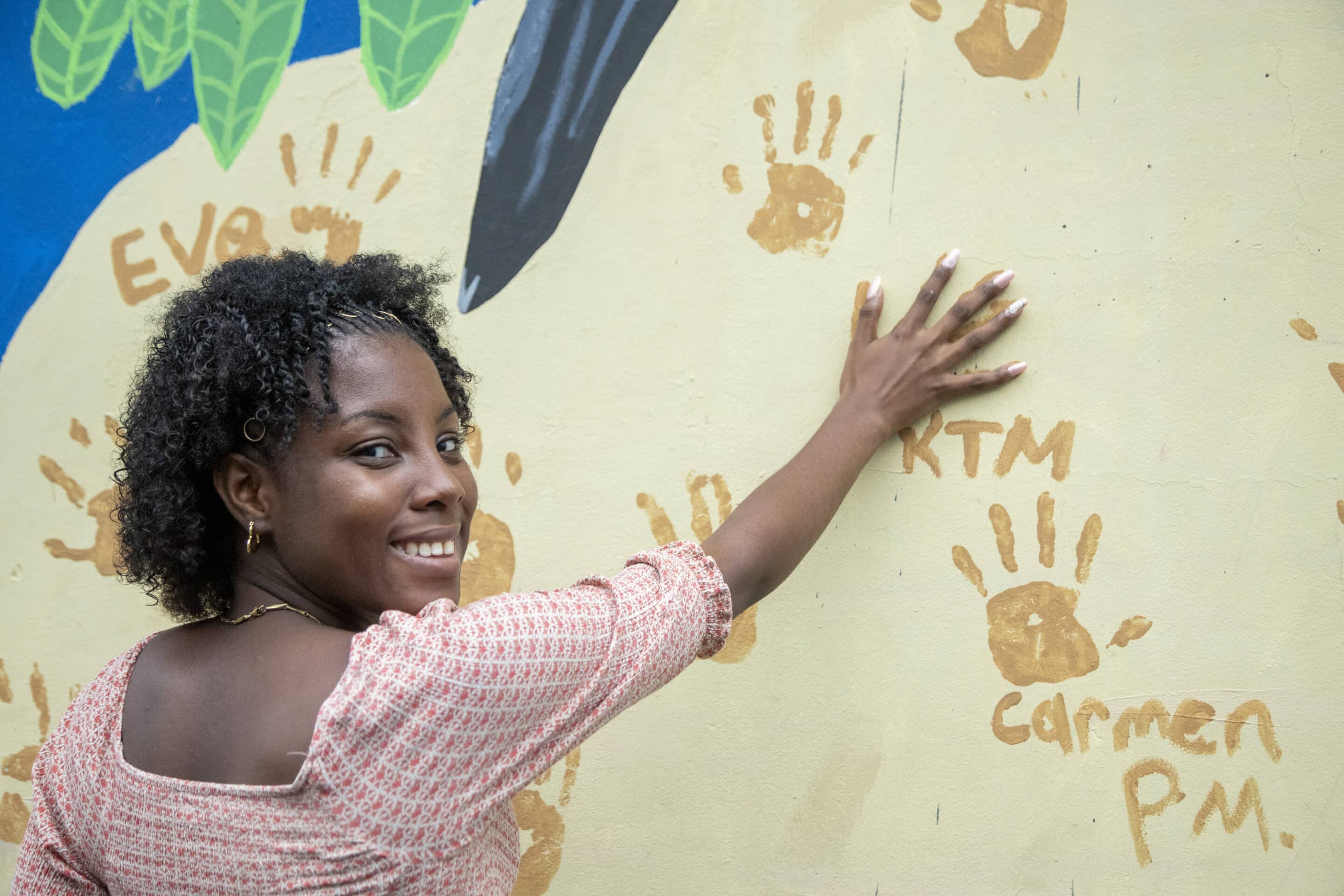
She created Juventud 180, a space for young people facing hardship, and trained in comprehensive sexuality education. "I would like people to see Afrodescendant youth as leaders," she said. "We have spent almost our whole lives fighting for our rights."
"We have spent almost our whole lives fighting for our rights."
Kadry Thomas Mackenzie, youth activist, Limón, Costa Rica
"Teenage girls are no longer afraid to say, 'I need a contraceptive method because I want to prevent a pregnancy during adolescence,'" she said. Her hope is specific. "What I would like a 12-year-old girl to say ten years from now is that in Costa Rica she is respected, that she is taken into account, that she was able to study and become a professional without having to leave everything behind, without having to hide her culture and her ethnic pride."
Bodily autonomy, violence and mental health
The UN tracks women's control over their own reproductive lives through Sustainable Development Goal indicator 5.6.1. It covers decisions on contraception, sex and reproductive healthcare. Across 78 countries, only 56% of married or partnered women aged 15 to 49 can make all three decisions themselves. "In a nutshell, nearly half of partnered women still lack full autonomy over their own bodies," the report says.
"…nearly half of partnered women still lack full autonomy over their own bodies."
UNFPA, State of World Population 2026
Youth is linked to less autonomy, the report finds. In eight countries with comparable data, only 27% of adolescents aged 15 to 19 could make decisions on all three. Among women aged 45 to 49, the figure was 41%.
WHO data cited in the report show the scale of partner violence among teenage girls. Nearly a quarter of girls aged 15 to 19 who have had a partner reported physical or sexual violence from that partner. Some 16% reported it in the past year. The report calls the persistently high rate of partner and non-partner sexual violence "one of the most disheartening failures in global public health".
Across 61 countries and territories, 21% of girls and 15% of boys in school surveys reported loneliness, anxiety or suicidality. The report notes that rising mental health problems since 1990 have been most marked among girls and among 15 to 19-year-olds.
Where the gaps between young women and men show up
Selected figures cited in UNFPA’s State of World Population 2026. Each row is a different measure and population.
Sources, as cited in the report: not in employment, education or training, UN DESA and ILO (the men’s figure is the level from 2015 to 2025); partnership, UNFPA Demographic Futures Survey 2026; mental health, Global School-Based Health Survey (Shawon and others, 2023); sexual violence, The Lancet (Cagney and others, 2025). Chart: Women’s Health World
Online harm, and the cost of speaking up
Mariana "Tata" Yunita Hendriyani Opat, an activist from East Nusa Tenggara province in Indonesia, learned about digital violence first-hand. A former partner tracked her through "linked device" notifications on her accounts. It escalated into coercive control and blackmail offline.
"Violence is everywhere," she said. "It can take any form, and the possibility of it continuing into the offline realm is very real."
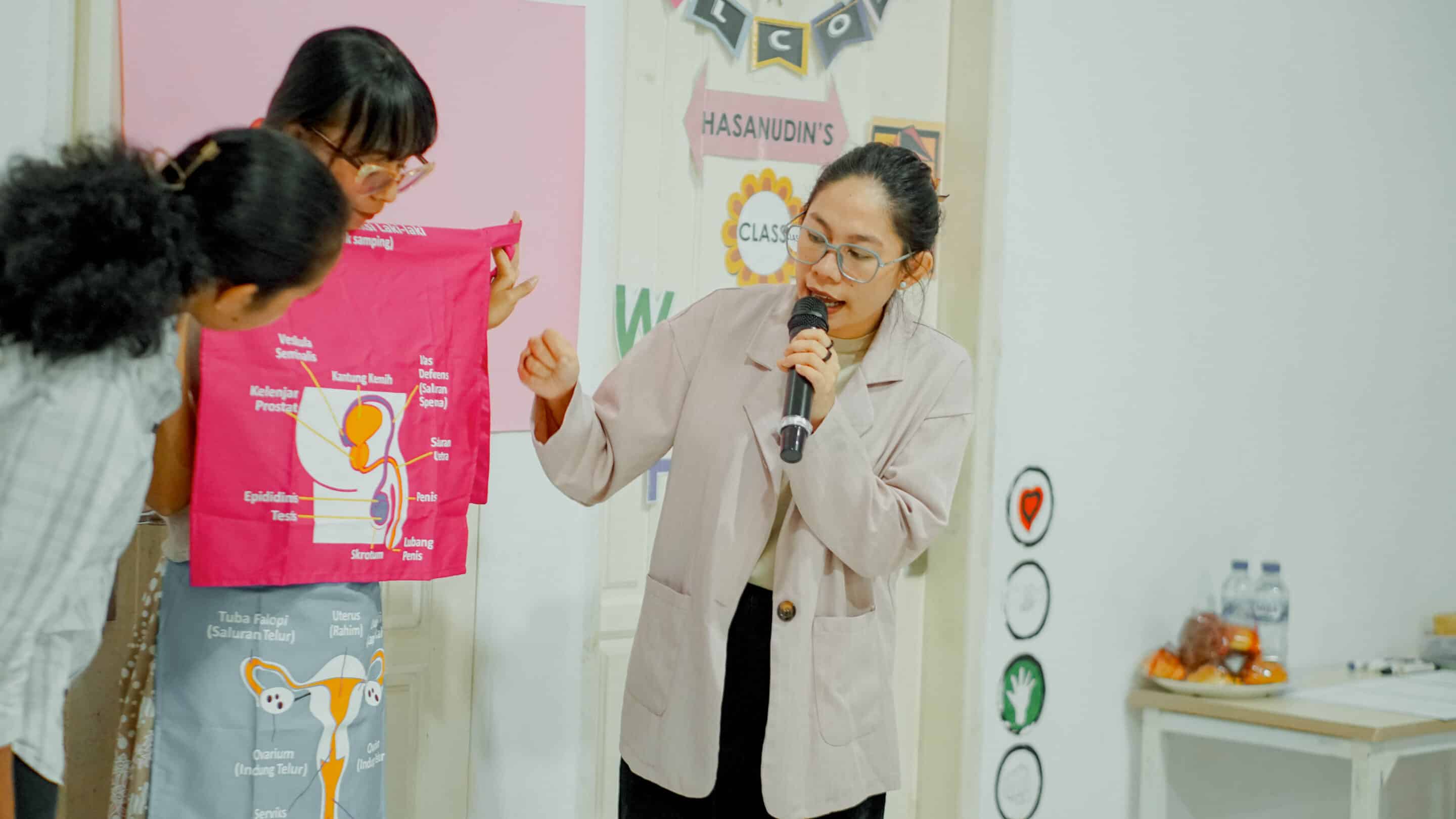
Her Tenggara Youth Community has since reached more than 4,000 young people across 30 communities. It works through religious leaders first. "People listen to their religious leaders," Tata explained. Schools and churches now ask the group to run workshops.
Indonesia's 2024 National Women's Life Experience Survey found digital violence was the main contributing factor to non-partner sexual violence. In UNFPA's consultations, about half of participants reported censorship, abuse or surveillance online. Young women said their political participation online is often undermined. "For female candidates running in elections, people use social media to harass them, humiliate them, insult them," one participant said.
Young men: the other half of the picture
The report gives young men a full place in its analysis. "But the reality is more complex than a simple story in which young men are collectively becoming more regressive," it says. A King's College London and Ipsos survey found gender-regressive attitudes rising among young men and young women alike. More men and women also identify as feminists.
Deaths from self-harm are nearly a third more frequent among boys than girls, the report notes, drawing on IHME data. In many low-income countries, boys and young men are much more likely than girls to be online. That puts them first in line for the "manosphere", which the report describes as an online community "uniting around a shared misogynist worldview".
Researchers at the University of California, San Diego, point to studies linking exposure to masculinity-related content with lower self-esteem and higher loneliness. "Reaching boys where they already are is no longer optional," they write. In their view, it is "essential for advancing gender equality, preventing gender-based violence, and ensuring that all young people can build lives and relationships grounded in dignity, respect and mutual care."
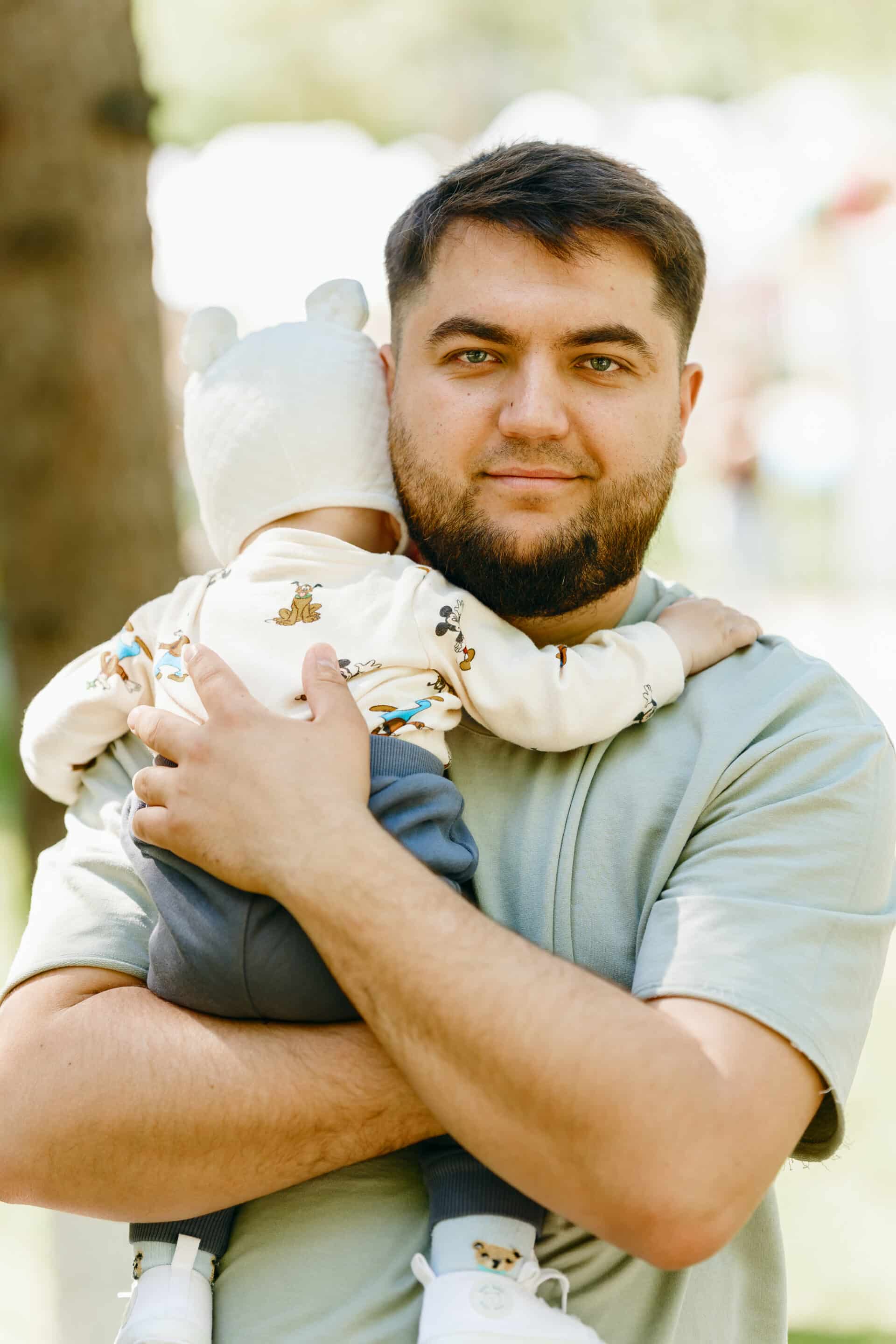
The Republic of Moldova offers evidence that norms can shift. Ruslan Crețu, 25, now runs sessions at a future fathers' club. The clubs operate in nine districts and more than 500 men have taken part. "Fatherhood means being involved, not just helping," he said.
"Fatherhood means being involved, not just helping."
Ruslan Crețu, 25, future fathers' club facilitator, Republic of Moldova
A 2025 UNFPA regional study suggests the change reaches beyond the clubs. Between 2015 and 2024, the share of Moldovan men actively involved in raising their children rose from 55% to 68%. The share of couples who split daily housework equitably rose from 30% to 58%. "Engaged fathers are no longer an exception," Ruslan said.
Aid cuts land hardest on the youngest countries
Official development assistance from OECD donor countries fell to US$174.3 billion in 2025, the report says. That was a 23% drop on 2024, the largest annual contraction on record.
Early evidence in the report points to cuts in prevention programmes and lost outreach workers. Experts cited in the report project as many as 22 million additional preventable deaths between 2026 and 2030 if cuts continue. That estimate covers people of all ages. The report says countries with the most youthful populations are hit hardest, calling the cuts "a massive divestment in young people".
Researchers at Johns Hopkins Bloomberg School of Public Health set out the stakes in the report. "Every girl denied education, bodily autonomy, safety and opportunity represents a preventable loss of health, agency and national development potential," they write. For boys, they add, divestment leaves them more exposed to violence, exploitation, gangs and armed groups.
Who holds the power to decide
People aged 18 to 30 make up 19% of the world's population but hold just 2.8% of parliamentary seats. In a 2021 survey by the UN Youth Envoy's office, 76% of people under 30 said politicians "do not listen to young people".
Youth activists who contributed to the report argue that consultation has run its course. "Policymakers do not need another consultation to discover what young people want," they write. "But access is not the same as power."
What young people are asking for
The report's final chapter sets out what its young contributors want governments and institutions to do. On health, they call for free, confidential sexual and reproductive health services designed for young people. They also want enforceable confidentiality rules for health workers. One participant said fear of private information being disclosed stops many people seeking care.
On gender, they ask for programmes that include men and boys "not simply as allies of women and girls but also as affected persons". They want campaigns against the narratives that cast women as mothers first and men as breadwinners. Legal definitions of sexual violence should cover harassment, coercion and abuse of power, they say.
Online, they want social media platforms held to account for gendered harassment, and bans on selling personal data without informed consent. In politics, they back youth quotas that come with real voting rights.
UNFPA's closing chapter puts the onus on institutions. "Young people have also provided the prescription," it says. "It is time to treat these issues for what they are: flaws in our systems."
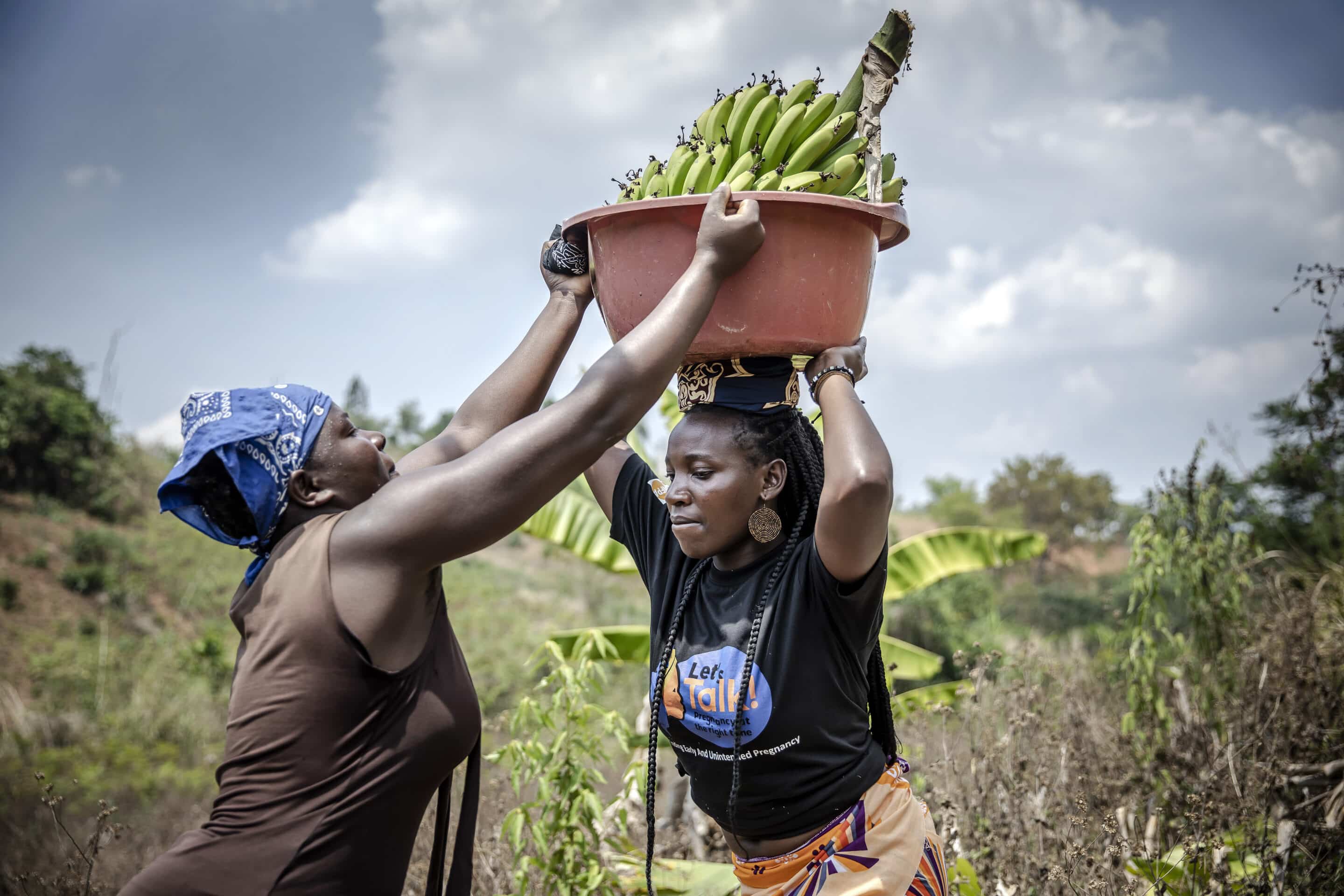
Catherine Mkandawire was almost married at 13 before village elders stepped in. Today she opens her home in Kavuzi, near Lake Malawi, each night so girls without electricity can study. "It began with just five girls," she said. "Today, more than 30 come here every single night to learn."
She also trained as a sexuality education facilitator and mentor. In Kavuzi, the report says, the number of girls reaching secondary school rose from one to 20 in a single year.
Where to find support: The NO MORE Global Directory lists domestic and sexual violence support services in more than 200 countries. If you are in immediate danger, contact your local emergency services.
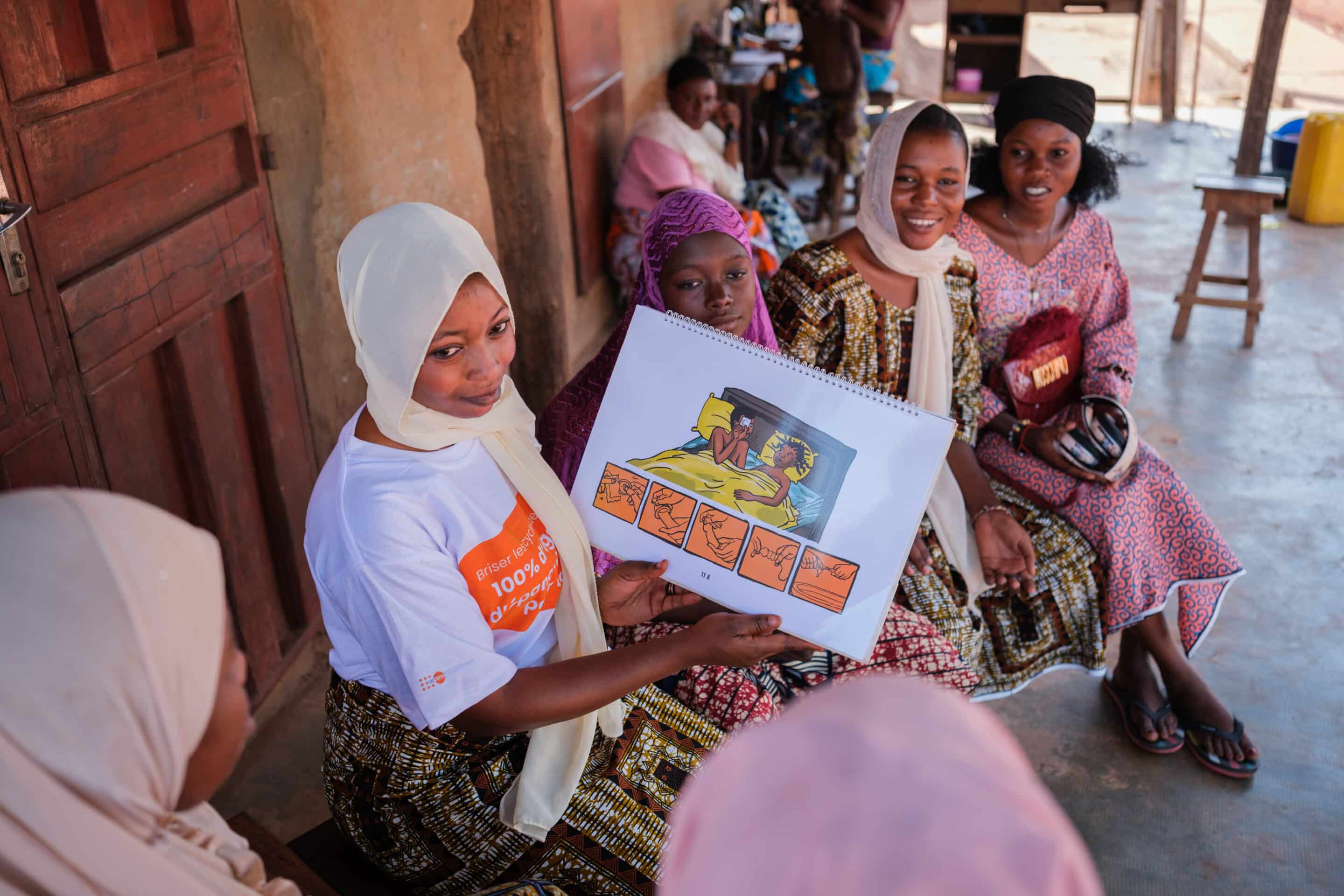
Header image: Akimatou, 22, leads a workshop on sexual health with her friends in Kalalé, Benin. © UNFPA/Taiwo Aina