
Health aid is projected to fall by up to 46% from 2024 to 2026, and reproductive health aid by up to 54.1%. Advocates want women named as a global reform task force reports by the end of November.
Official aid fell 23.1% in real terms in 2025, the largest annual drop on record, OECD preliminary data show. The OECD projects a further 6.9% fall in 2026. Its June policy brief says health faces the steepest cuts of all sectors. Health aid is set to drop by 29% to 46% from 2024 to 2026, or US$5bn to US$8bn.
That range reflects uncertainty over the US share. Population and reproductive health, which the OECD groups with HIV and other STI control, faces the largest cut within health. Its aid is projected to fall by up to 54.1% from 2024 to 2026.
The cuts coincide with a review of how global health is organised. The Joint Task Force on global health reform must issue its interim report by the end of November. Its workplan for member states, presented in September, doesn't name women, gender or sexual and reproductive health. UNFPA, the UN's sexual and reproductive health agency, sits on the Task Force, which WHO hosts.
Spain and South Africa hosted a roundtable at the World Health Summit on protecting this care during reform. Participants warned that an overemphasis on efficiency could undermine equity. They also said folding it into primary care could make it less visible unless the full package is protected.
What partner organisations report
A survey by the Partnership for Maternal, Newborn and Child Health (PMNCH) covered partners in at least 67 countries. It found 69% had downsized, suspended or closed programmes. Sexual and reproductive health and rights was the most cited area hit. Adolescent programmes and maternal and newborn health followed.
Those results record what partner organisations report, and they don't measure service use. Rajat Khosla, PMNCH's executive director, drew the conclusion. "This survey tells us that the global health financing crisis has moved from balance sheets to the front lines," he said.
WHO's maternal mortality data show where those services are most needed. About 260,000 women died during or following pregnancy and childbirth in 2023. Approximately 92% of those deaths occurred in low- and lower-middle-income countries.
What the reform text says so far
Nineteen governments signed the Lyon declaration on global health reform in April, alongside WHO, UNICEF, Gavi and others. It says reforms must "safeguard sexual and reproductive health and rights". Beyond that phrase, it doesn't mention women as a group.
An open letter to the Task Force presses the same point. It says the Task Force's synthesis covers ownership, regional leadership and financing, yet never mentions women, children or adolescents. PMNCH says 450 partners signed it.
The letter makes five requests. They include naming these groups in the interim report and protecting commodities and health workers during the transition. Success would be judged by access at subnational level. Women-led, youth-led and Global South organisations would also get a role in governance.
Which countries are moving domestic money
Roundtable participants agreed that domestic budgets should be the backbone of financing. UNFPA reports some movement in that direction. Government spending on contraceptives and maternal health supplies across 54 partnership countries reached a record US$68m in 2025. That is more than six times the 2020 level.
Madagascar pledged US$20m from its national budget for reproductive health commodities in 2026 and 2027. Mozambique pledged US$17.6m over the same two years, and Burundi US$4m for family planning commodities in 2026. These are commitments, and spending still has to follow. Together they remain small beside the OECD's projected fall in health aid.
Kenya has committed US$58m to its maternal and newborn acceleration plan, including 5,000 nurses and midwives across 47 counties. Tanzania's deputy minister, Florence Samizi, reported an 80% cut in its maternal mortality ratio between 2015-16 and 2022. She spoke at the same event in New York, and the figure is her government's.
"Fiscal austerity must never become health austerity for women, children and adolescents," said Amma Twum-Amoah, the African Union's health commissioner.
One federated country at the roundtable described a practical model, which PMNCH's report doesn't name. It buys commodities through consolidated national purchasing, then sends earmarked budget transfers to state level.
What integration could leave behind
Participants said family planning and maternal and child health receive more attention than other services. They listed comprehensive sexuality education, safe abortion care, STI prevention, menopause and infertility as receiving less. Restrictive laws also limit access, they said, and most of the health workforce delivering this care is female.
PMNCH's report frames the main problem as the way funding pathways are structured, more than a shortage of money. Participants called for a clear investment case for explicit financing lines, and for more regional manufacturing of commodities. They cited the PRYSM Initiative, which matches philanthropic donors with country needs.
Parliaments offer women and civil society groups another route. The Arusha Action Note came out of October's Inter-Parliamentary Union assembly. It asks members to check maternal, newborn, child and adolescent health spending in the next budget cycle. It also asks them to hold public hearings with women, young people and underserved communities.
What happens next
Helen Clark, PMNCH's board chair and a former New Zealand prime minister, articulated the challenge. "Leadership is not measured by declarations in New York," she said. "It's measured by the choices made at home later."
The Task Force meets on 16 and 17 November to finalise its interim report. Member states give initial feedback in mid-December, and the final report goes to the World Health Assembly in May 2027. Roundtable participants suggested a follow-up at the Global Forum on Maternal and Child Survival. Mexico hosts it from 2 to 4 March 2027.
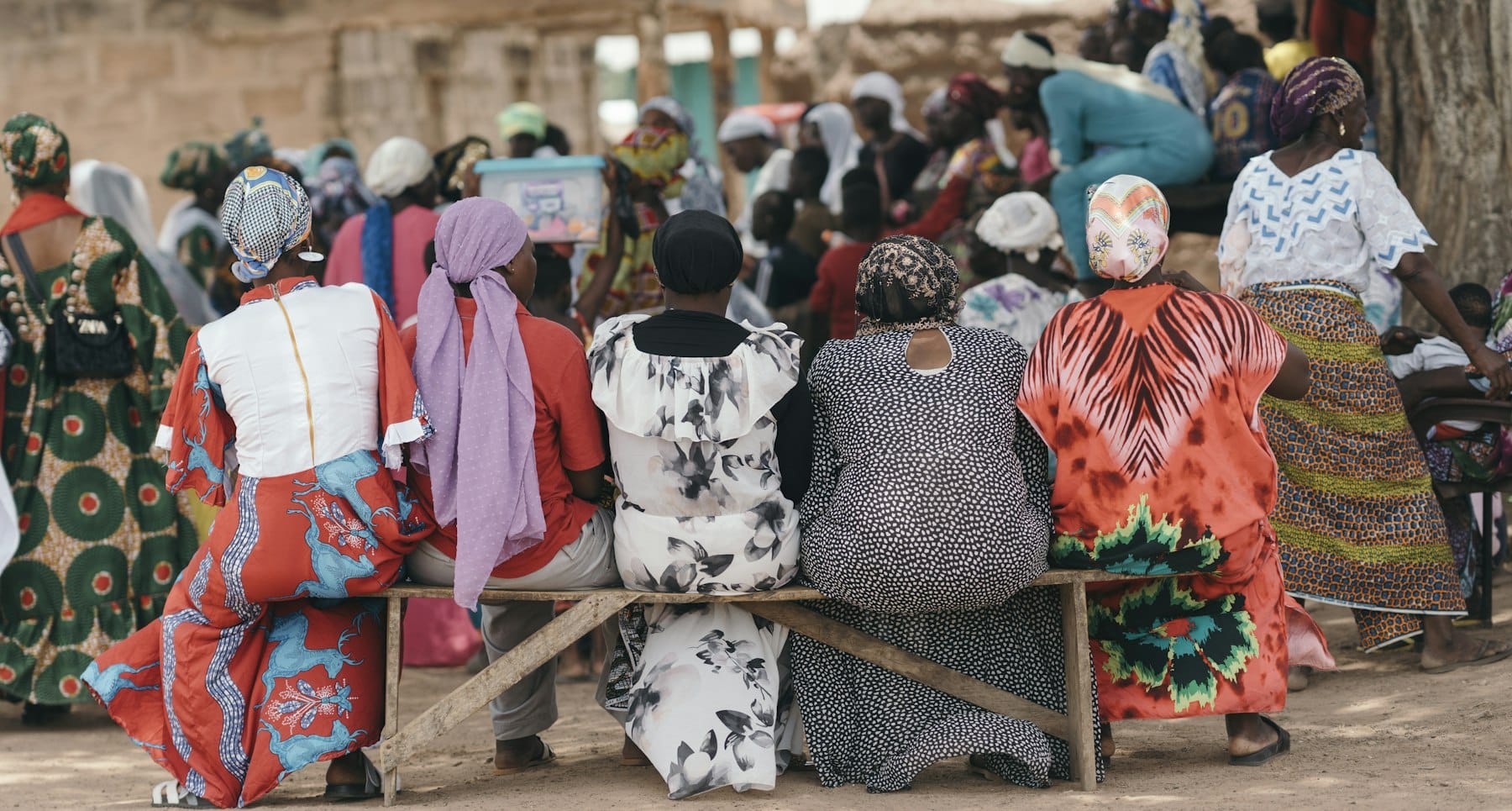
Header image: Photo by Random Institute on Unsplash