
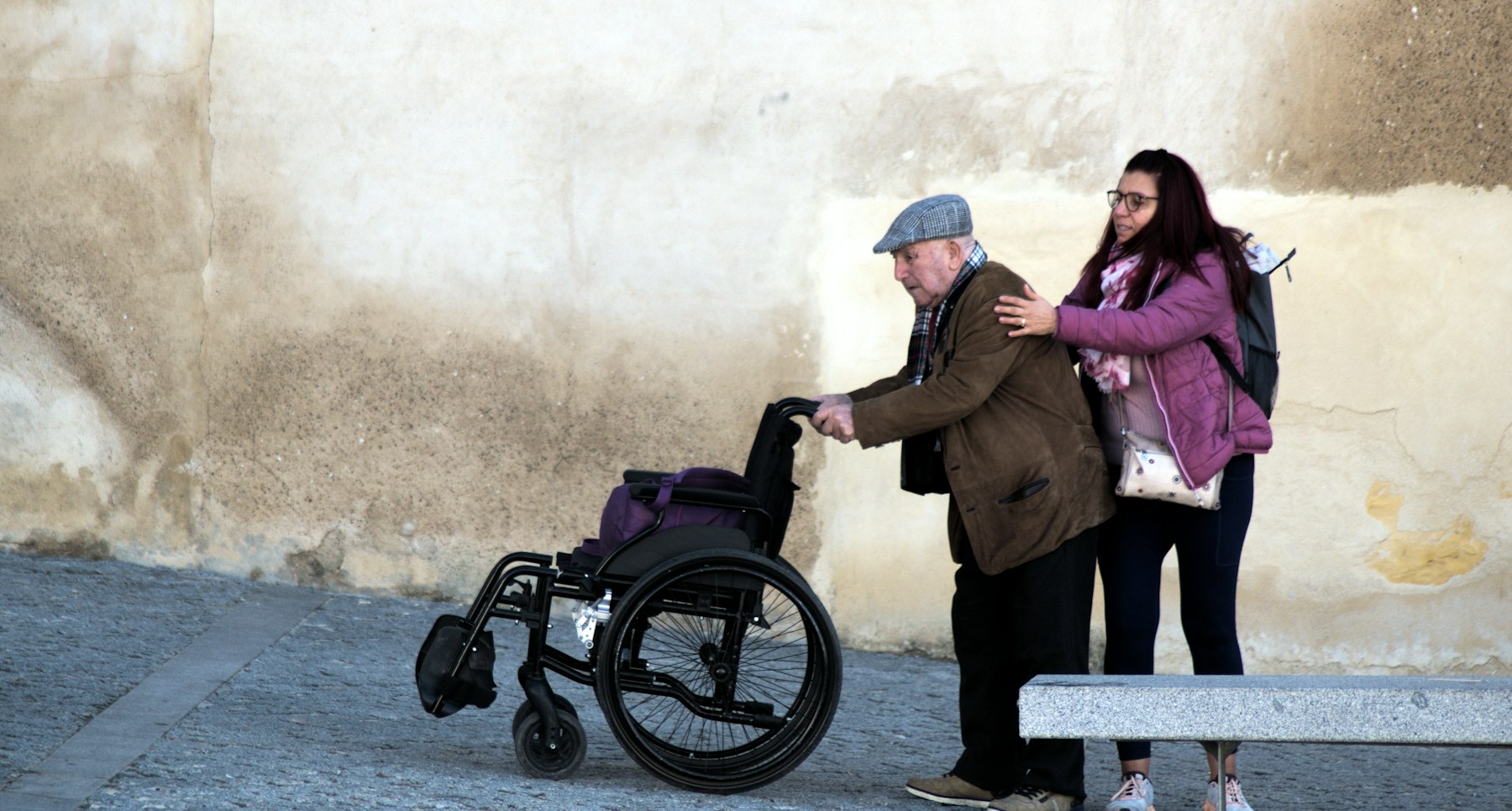
Across Latin America and the Caribbean, women in families provide most of the care older people need, often unpaid. A new PAHO brief asks governments to share that work, and Uruguay shows what sharing it can look like.
Uruguay has written a simple principle into law: "the right to care and be cared for". The words come from Care Law No. 19.353. It underpins the National Integrated Care System, which PAHO dates to 2015. The International Labour Organization (ILO) calls it the first national care system in Latin America.
Uruguay's law makes care the fourth pillar of social protection, the ILO says. In much of the rest of the region, care for older people is still a family matter. Most of it falls to women.
A system built on family
On 28 October the Pan American Health Organization (PAHO) set out how thin public support remains. Only 15 of its 35 member states report a formal, publicly funded long-term care system. That finding comes from a joint brief with the Inter-American Development Bank (IDB). Where services exist, health and social protection often work apart, without shared assessments or care plans.
Families fill the space, giving care without pay or buying it out of their own pockets, PAHO says. Women in families provide nearly 70% of long-term care in Latin America and the Caribbean. PAHO gave that figure in April, when it launched a series of policy briefs on the subject.
Long-term care is help with daily life for people who can no longer manage alone. Disability, chronic illness and frailty are the usual causes. In practice it can mean help with washing, dressing or taking medicines, day after day.
"While care needs can arise at any age, they become more common as people grow older," said Patricia Morsch, PAHO's Regional Advisor on Healthy Aging, at the April launch.
Why the old arrangement is breaking down
PAHO's own policy documents explain the pressure. More women now work for pay, so fewer are at home to give care, says its 2024 Policy on Long-term Care. At the same time the region is ageing. By 2050, about 306 million people in the Americas will be 60 or older, more than one in four residents.
Demand for care is rising just as the women who traditionally provided it have less time to give.
The World Health Organization (WHO) has warned where this leads. Its March 2024 report, Fair share for health and care, said underinvestment in health systems pushes more unpaid care onto women. That lowers their participation in paid work, WHO said, and strains carers' own health.
US research points the same way. Women there can expect 7.1 years of caring for older relatives, against 4.2 for men. A University of Michigan study published this month gave those estimates.
Plans on paper, carers without rights
Most governments now at least plan for care. PAHO cites the 2025 midterm review of the UN Decade of Healthy Ageing. Most of the countries it surveyed include long-term care in national laws, policies or plans.
Carers themselves have fewer protections. PAHO asked countries whether they legally recognise informal caregivers and give them a right to support. Only seven of the 27 that answered said yes. In the other 20, a woman who gives up paid work to care for her father has no legal right to support.
What Uruguay changed
Uruguay's system moves some of that weight from families to the state. It links ministries, local governments and civil society, PAHO says. Each person's needs are assessed to a common standard, and public funding and co-payments are linked to income. Providers must meet quality standards, and care workers must be trained and certified.
Its services are practical. They include personal assistants at home, teleassistance, day centres and residential care. More than 3,400 people had completed care training when the ILO reviewed the system.
Gaps remain, the ILO notes. Personal assistance for people with disabilities goes only to those under 29 or over 80. Families still carry people aged 29 to 79 who need help. In Uruguay's 2022 Time Use Survey, women still provided about two-thirds of the value of unpaid care work.
How the issue is being addressed
PAHO wants care built into health systems. Its Regional Policy on Long-Term Care 2025 to 2034 asks countries to deliver care through primary health care and community services. Support for carers is part of that plan.
One of PAHO's April briefs, written with the ILO and the IDB, sets out the roles, rights and needs of paid and unpaid caregivers. The new brief asks governments to join up health and social services, set clear responsibilities and fund care sustainably.
"Investing in long-term care is not simply an expenditure. It is an investment in healthier people, stronger families, and more resilient societies," said Mary Lou Valdez, PAHO's Deputy Director.
For women caring for a relative now, PAHO's policy points first to local primary care. Carers can ask there whether their country offers a needs assessment, training or help at home. PAHO and the IDB hold a high-level dialogue on the governance and financing of care on 29 October.
Header image: Jose Manuel Esp on Unsplash