
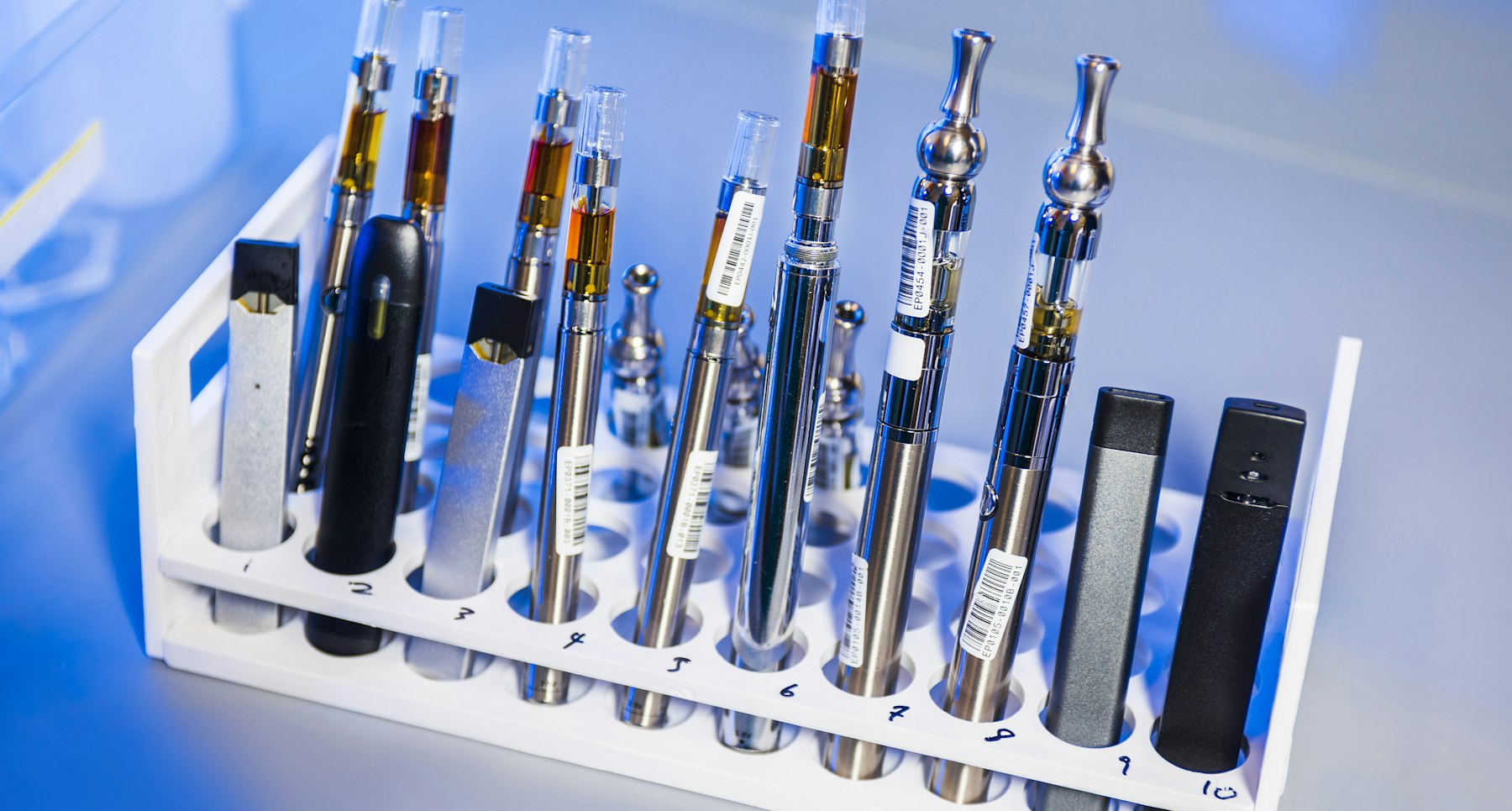
In 2024, 7.8% of US teenage girls aged 15 to 17 were vaping regularly, against 4.6% of boys. Boys led when the national survey began a decade earlier.
Teenage girls aged 15 to 17 in the US now vape regularly at a higher rate than boys. A research letter in JAMA Pediatrics, published on 19 October 2026, found the rate for girls was 7.8% in 2024. The figure for boys was 4.6%.
Researchers at the Medical University of South Carolina (MUSC) analysed the Population Assessment of Tobacco and Health (PATH) Study. This nationally representative survey followed US adolescents aged 12 to 17 from 2014 to 2024. The team counted only regular vaping that included use in the past 30 days.
Teenage girls overtook boys in vaping after 2018
Regular vaping among older teenage girls rose from 4.9% in 2021 to 7.8% in 2024, the university reports. Boys vaped more than girls in the survey’s early years. The gap closed in 2018 to 2019, and girls have led since 2021.
Girls aged 12 to 14 have generally vaped more than boys their age since 2021. Their rate fell in the latest data. “There are still a lot of middle school girls vaping,” said Naomi Brownstein, an MUSC biostatistician and co-first author. WHW has examined why the early teens also carry the most risk from social media for girls’ mental health.
Cigarette smoking among adolescents fell over the same decade. By 2024, fewer than half of 1% of girls or boys were established smokers.
The study is observational and does not explain why girls now vape more. Its authors describe the figures as a conservative estimate, because occasional users are left out. “We have to sound the alarm bells for girls,” said Benjamin Toll, director of the MUSC Health Tobacco Treatment Program. “But we also need to make sure that we’re addressing the boys, too.”
Stronger nicotine among young adults
A separate study in Tobacco Control, also using PATH data, followed US adults from 2017 to 2022. Among daily vapers aged 18 to 24, use of high-nicotine e-cigarettes rose from just over 3% to just over 49%. Vapers who used high-nicotine products in 2019 were more dependent by 2022 and less likely to have stopped. Male vapers had 55% higher odds than female vapers of using high-nicotine products, BMJ Group reports.
A global pattern
WHO estimates that at least 15 million adolescents aged 13 to 15 vape worldwide, in its global tobacco trends report. In countries with data, children are on average nine times more likely than adults to vape. “E-cigarettes are fuelling a new wave of nicotine addiction,” said Etienne Krug, a WHO director.
Girls also led boys on e-cigarette use across Europe, central Asia and Canada. WHO Europe reported this from its 2021/2022 school survey, the most recent it has published. Among all 15-year-olds, 20% had vaped in the past 30 days.
Where young people can find help
The US Centers for Disease Control and Prevention lists free services for young people who want to quit. They include the National Cancer Institute’s Teen.smokefree.gov and SmokefreeTXT for Teens. The 1-800-QUIT-NOW line connects teenagers to free coaching from their state quitline.

Truth Initiative runs This is Quitting, a mobile programme for people stopping e-cigarettes. Outside the US, young people can ask a doctor, nurse or school health service about local support. Toll wants clinicians to ask first: “I want pediatricians to pay attention to possible vaping, especially for their female patients.”
This content is for information only and does not replace advice from a qualified health professional.
Header image: CDC on Unsplash, Unsplash License. Inline image: Gilles Lambert on Unsplash, Unsplash License.