
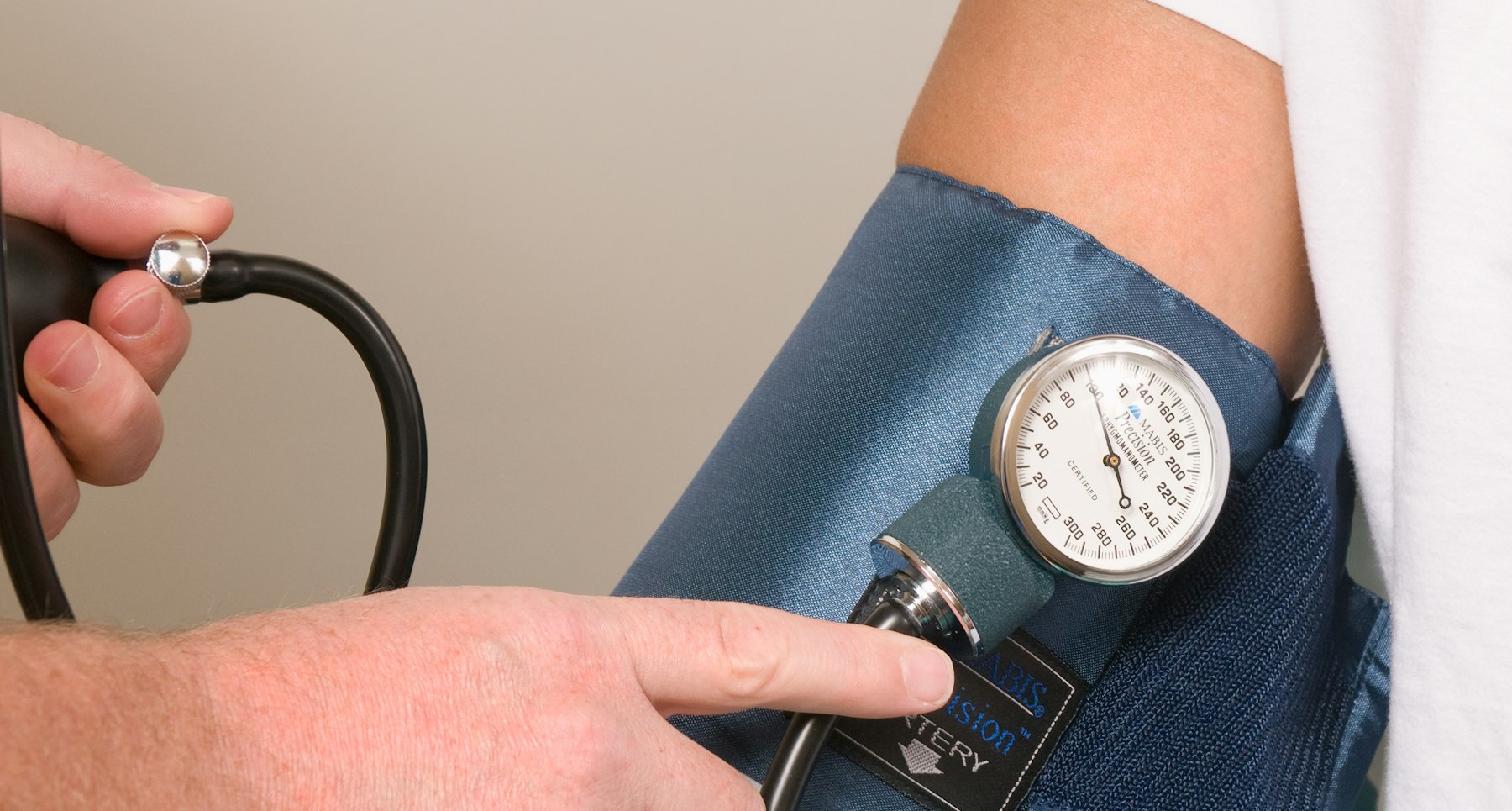
Diabetes was linked to 2.26 times the heart attack rate in Norwegian women and 1.84 in men. Established risk factors such as blood pressure explained more of that link in women.
Women with diabetes had 2.26 times the heart attack rate of women without it, a Norwegian study shows. For men with diabetes, the figure was 1.84. Adjusting for established heart risk factors cut the figures to 1.72 for women and 1.67 for men.
The paper, in European Heart Journal Open on 21 October 2026, draws on 42,907 people in the Tromsø Study. Just over half (51.5%) were women, and participants were aged 35 to 104. Surveys ran from 1979 to 2016, with heart attacks tracked to the end of 2019. Over that time, 3,942 people had a first heart attack, 357 of them people with diabetes.
Blood pressure weighed more heavily for women
Established risk factors explained more of the diabetes link in women. These included blood pressure, blood fats, smoking and body weight. Adjusting for them together weakened the association by 33.6% in women and by 15.9% in men.
Systolic blood pressure, the top number in a reading, showed the clearest difference between the sexes. Adjusting for it weakened the diabetes link by 10.3% in women. For men, it strengthened the link by 2.2%.
Blood fats had the largest single effect in both sexes. Adjusting for the ratio of triglycerides to HDL, or "good", cholesterol weakened the link by 19.0% in women. The figure for men was 17.0%.
Women's extra heart attack risk linked to diabetes appeared from age 55. Men's appeared from age 45. The authors conclude that risk factors had a larger combined effect in women, which narrowed the gap.
Limits of the findings
In the first model, the difference between women and men was not statistically significant (p = 0.12). Observational studies show associations and cannot prove cause. This one did not separate type 1 from type 2 diabetes, and it covers one Norwegian population. Its paper is an accepted manuscript, not yet copyedited.
Larger studies found a similar pattern
A 2014 meta-analysis in Diabetologia pooled 64 cohorts and 858,507 people. Women with diabetes had a 44% greater relative risk of coronary heart disease than men with diabetes. That figure was adjusted for other risk factors.
More than 800 million adults were living with diabetes in 2022, according to WHO. Its figures draw on data published in The Lancet. About 59% of adults aged 30 and over with diabetes were untreated. Around 90% of those untreated adults live in low- and middle-income countries.
What women with diabetes can do
The European Society of Cardiology's 2023 guidelines say every patient with diabetes should be evaluated for cardiovascular risk. They also call for regular blood pressure checks. The guidelines introduced SCORE2-Diabetes, which estimates 10-year risk of heart attack and stroke in type 2 diabetes.
NICE's UK target for most adults under 80 with type 2 diabetes is clinic blood pressure below 140/90 mmHg. Separate advice applies from age 80, and for people with high levels of albumin in their urine.
Women living with diabetes can ask their clinician for a heart risk assessment. They can also ask for their blood pressure and cholesterol results, and how these compare with recommended targets. Chest pain needs urgent medical assessment.
WHO's South-East Asia, Eastern Mediterranean and African regions have the lowest treatment coverage. Fewer than four in 10 adults with diabetes there take glucose-lowering medicine.
This content is for information only and does not replace advice from a qualified health professional.
Header image: CDC on Unsplash