The Gates Foundation has set out up to US$1bn for family planning and women's health to 2030. Six governments launched a partnership at the Copenhagen Summit to find new money for sexual and reproductive health.
Contraception and women's health will receive up to US$1bn from the Gates Foundation between 2026 and 2030. The foundation made the pledge at the Copenhagen Summit on Gender Equality and Women's and Girls' Rights. It took place on 16 November.
Denmark's Ministry of Employment and Gender Equality organised the summit under Denmark's 2026 chairmanship of the Nordic Council of Ministers. Organisers brought together 210 participants from more than 40 countries, from governments and international organisations to civil society groups and philanthropic foundations.
The Danish ministry said the summit's aim was to build international support for women's and girls' right to decide over their own bodies and lives. Participants could sign a Nordic declaration, the Copenhagen Call to Action. Its principles include universal health care that covers sexual and reproductive health and rights.
More than 257 million women and girls who want to avoid pregnancy are not using a modern contraceptive method. That figure comes from the foundation's announcement. It also estimates that rising contraceptive use prevented one in four maternal deaths in 2023.
Where the US$1bn is meant to go
Family planning takes the largest share, at US$694m. That covers access to contraception, services, country partnerships, data and community work. A further US$158m goes to women's health innovations, which the foundation describes as "supporting the systems needed to get new products to women".
Smaller lines include US$50m for the Global Financing Facility's Sustainable Commodities Access Program. Demographic and health surveys get US$17m, and adolescent outcomes US$18m. These items add up to US$937m, and the release does not say where the remaining US$63m will go.
Anita Zaidi is president of gender equality at the Gates Foundation. "Family planning is one of the most powerful tools we have to improve outcomes for women," she said.
The new pledge comes on top of US$2.5bn for women's health research and development, announced in August 2025. Gates has not said how much of the US$1bn continues existing grants.
Six governments look for new funders
Denmark, Finland, Iceland, Norway, Sweden and South Africa started the new partnership, according to the Norwegian government. In 2025, the Nordic governments gave more than US$559m to sexual and reproductive health and rights.
The partnership plans to work through existing institutions. Its first focus is development finance institutions, to support local manufacturing, supply chains and essential health products. The Gates Foundation, the Children's Investment Fund Foundation (CIFF) and Laerdal Global Health have joined.
Miles Kemplay, executive director for SRHR at CIFF, said: "Between now and 2030, CIFF has committed close to $900 million in SRHR." He added that this is separate from CIFF's funding for HIV, co-infections and product development.
A pledge set against shrinking aid
Norway's release says this area of health is under pressure "from global funding cuts that disproportionately affect women, girls and LGBTI+ persons". In May, the UN Population Fund (UNFPA) projected a US$185m gap in contraceptive funding alone this year, linked to aid reductions. Eight countries, including Ethiopia and Zambia, pledged more than US$175m for supplies at the same time, as WHW reported.
Joe Cerrell is the Gates Foundation's managing director for Europe, the Middle East and East Asia. He said the Nordic countries and South Africa were showing "important political and financial leadership on women's health". "Philanthropy can complement that leadership by supporting innovation and mobilizing additional resources," he said.
What the money could change for women
Each extra dollar spent on contraceptive services saves an estimated US$2.48 in maternal, newborn and abortion care. Norway's release gives that estimate without naming its source.
For women choosing a method now, the World Health Organization has a family planning fact sheet. It says a health worker's advice can help people identify an appropriate method. A local clinic or pharmacy can say which methods are in stock.
The partnership's first milestone is 2030, when the Sustainable Development Goals reach their end date. Gates has set its portfolio to end in the same year.
This article is for information only and does not replace advice from a qualified health professional.
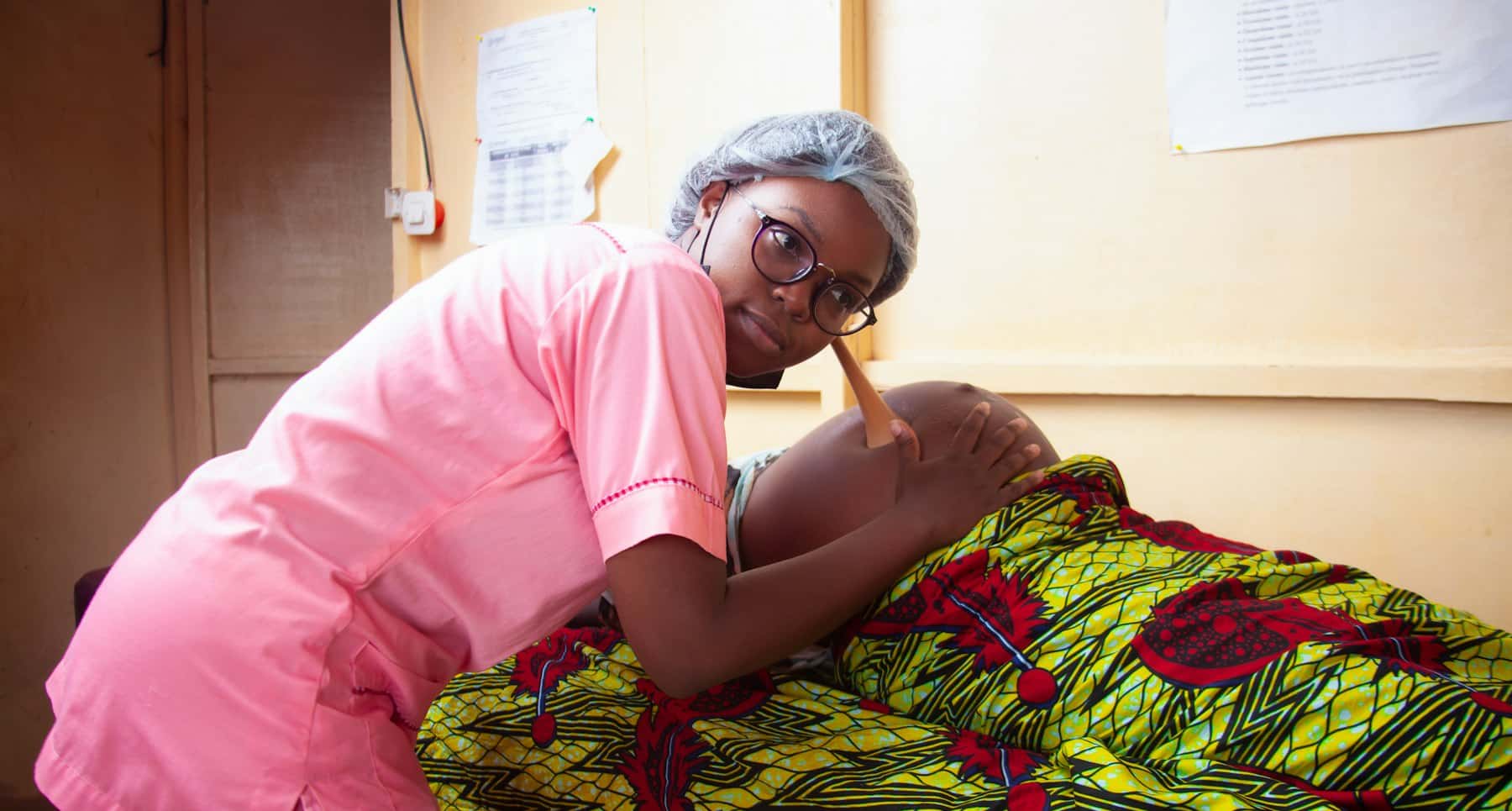
Header image: Iwaria Inc. on Unsplash