Across the world, momentum around women's health is growing. More researchers, entrepreneurs, healthcare professionals, policymakers, investors and advocates are working to close the women's health gap. And we need more. Many more.
Women's health has historically been underfunded, leaving significant gaps in the research, evidence and infrastructure needed to give women equal opportunities to live healthy lives. This creates a vicious cycle: insufficient funding limits the evidence base, and insufficient evidence makes it harder to attract further funding and investment.
With resources already scarce, we cannot afford to waste them by duplicating efforts, working in isolation or repeatedly solving problems others have already addressed. The cost of fragmentation is not merely inefficiency. The hidden cost is delayed progress, missed opportunities and another generation of women growing up in systems that were never adequately designed around their biology.
This is why I believe coordination matters. Not as an end in itself, but as a way to make scarce resources go further and achieve what no individual actor can accomplish alone. In the Nordics, we decided to start somewhere unconventional: by imagining the future before negotiating how to get there.
Start with the future, not today’s problems
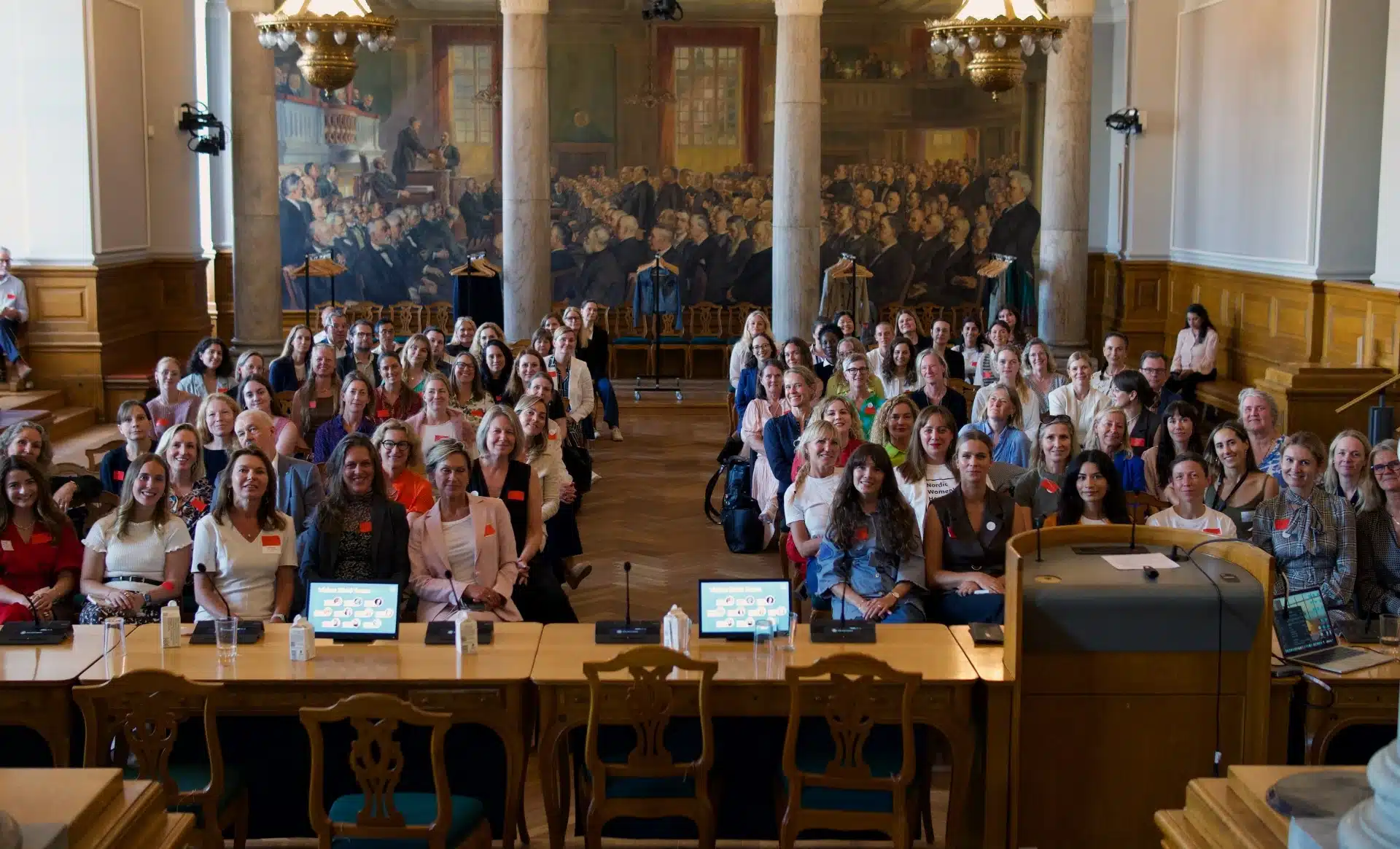
In September 2025, we brought together 136 contributors from across the five Nordic countries at the Danish Parliament to co-create a vision for women's health in 2040. Rather than starting with today's shortcomings, we invited participants to imagine a future in which women's health was no longer an afterthought, but a fundamental consideration in how we design healthcare.
We gave that future a human face: Nora, a 15-year-old girl living in the Nordics in 2040. In Nora's world, female biology is adequately represented in research. Healthcare systems recognise how hormonal transitions influence women's physical and mental health throughout their lives. Reliable health information is accessible, innovation reaches patients, and policies recognise women's health as fundamental to societal wellbeing.
For Nora, these are not special provisions. They are simply how society works. Imagining her future allowed us to move beyond today's institutional constraints and ask: What would need to change across society to make this future possible?
Strategic foresight: Seeing the whole system
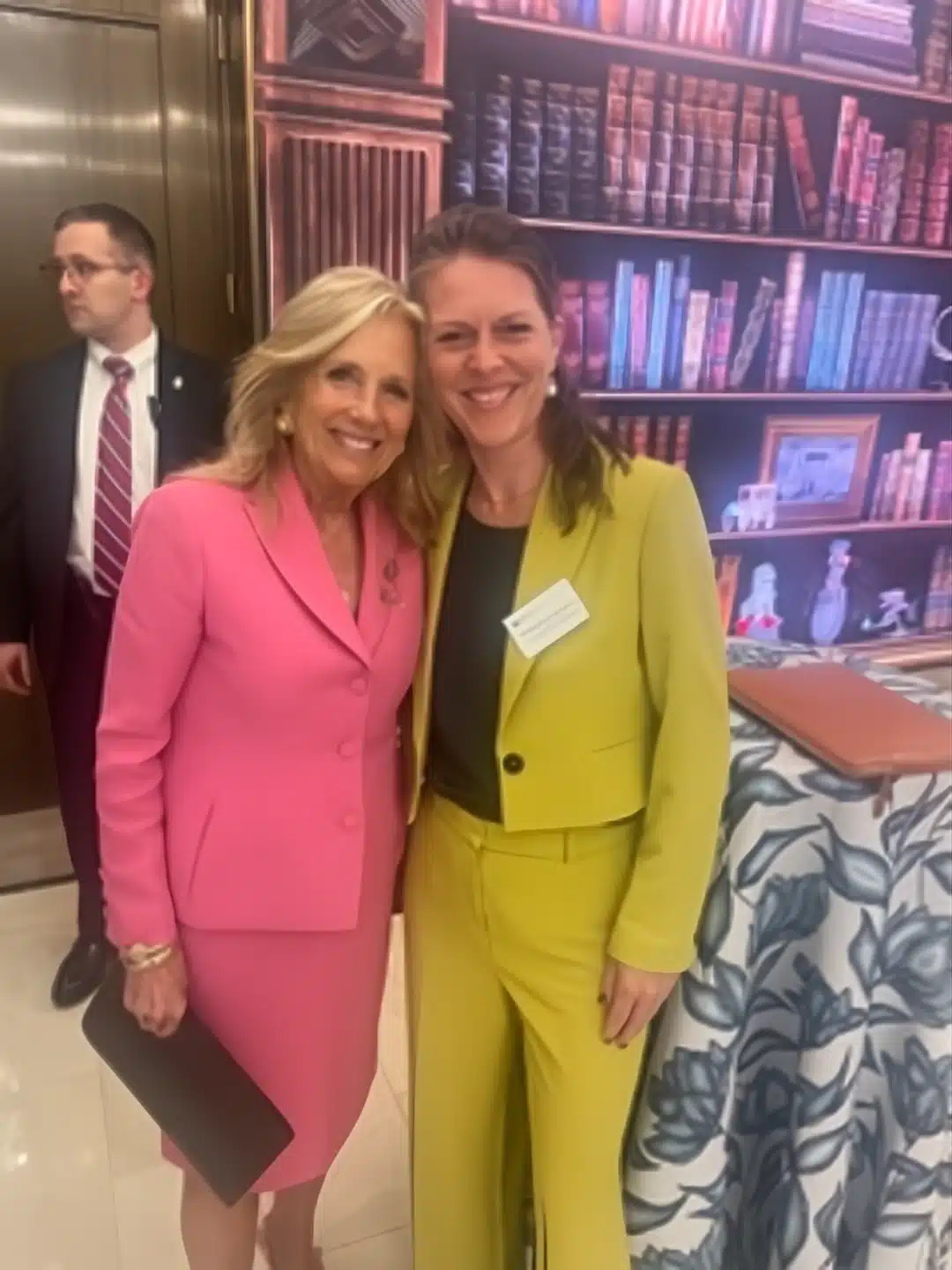
Since its publication in December 2025, an event co-hosted by the Nordic Council of Ministers, the Nordic Charter for Women's Health 2040, has reached audiences far beyond the Nordics, from Tasmania to Washington, DC, including former First Lady Dr. Jill Biden.
I believe part of its resonance comes from combining strategic foresight with a 360-degree perspective on women's health.
Instead of extrapolating from today's limitations, we imagined a desirable future and worked backwards to identify what would be required to achieve it. More importantly, we approached women's health as an interconnected system.
Research funding determines what we know. Evidence shapes clinical practice. Regulation influences innovation. Investment determines which solutions scale. Education and culture affect whether women recognise symptoms and seek care.
Five expert groups, representing different perspectives, worked backwards from 2040, identifying what would need to be true by 2035 and 2030. What I found most revealing was how consistently they identified the same underlying requirements: funding, capabilities, policy and data infrastructure.
What initially appeared to be separate challenges revealed common structural bottlenecks. These insights shaped the Charter's four infrastructure pillars, supporting research, care and innovation, with awareness as a shared cultural foundation.
The power of this approach was not simply identifying where collaboration was possible, but revealing where it was necessary, to raise the bar for women's health.
Co-creation is not the same as consensus
There is a tendency to romanticise co-creation as a process where diverse stakeholders discover common ground and leave united behind a shared vision. Our experience was more complicated.
Different mandates, incentives and priorities inevitably create friction. And perhaps they should. Without different perspectives, we risk reproducing the blind spots we are trying to overcome.
You cannot coordinate away human nature. Self-interest, institutional incentive structures and competing priorities will always be part of collaboration. What I learned is that progress depends on acknowledging these tensions, finding sufficient common ground to act, and maintaining momentum even when interests diverge.
A shared vision is not an agreement on everything. It is a reference point for deciding what to do next. But a vision alone will not change the future. Nora's future will not emerge simply because 136 people imagined it. It will emerge if we coordinate the people, institutions and capital needed to make it real.
From coordinating perspectives to coordinating capital
I see the Nordic Charter as our first coordination manoeuvre. Having experienced both the opportunities and friction of bringing diverse stakeholders together, I have become increasingly convinced that the next frontier is coordinating capital. And I have no illusions that the friction will diminish when money enters the picture.
Too often, a lack of investment readiness is mistaken for a lack of market potential. Historically insufficient funding has left critical gaps in the research and evidence needed to validate promising opportunities.
Without evidence, opportunities struggle to attract investment. Without investment, the evidence gap persists.
Yet not every unmet health need translates into a commercially viable opportunity. Foundational research helps distinguish where investment potential exists and where public or philanthropic funding is more appropriate.
Rather than expecting individual funders to solve this independently, at NORA a non-profit do-tank, we are building mechanisms to bring funders together around shared priorities, mobilise catalytic funding and strengthen the evidence base needed to unlock further investment.
The challenge is to direct the right types of capital towards the right opportunities. I see two opportunities for coordination.
- The first is avoiding unnecessary duplication. With resources scarce, we cannot afford to repeatedly start from scratch.
- The second is more ambitious: combining complementary resources, expertise and capabilities to achieve what no individual institution could accomplish alone.
Building on Nordic momentum amid global head winds
At a time when women's health funding faces pressure internationally, I find the growing momentum in the Nordics encouraging.
In Denmark, a cross-party political alliance for women’s health has secured approximately €25 million for a national women's health research centre, scheduled to open in 2027. The question now is how to build on that progress.
Public research funding, philanthropic capital and private investment each have distinct roles. Their combined potential is greater when their efforts reinforce one another. This is not about replacing existing institutions. It is about connecting their capabilities while mobilising more resources.
The next frontier in women’s health
Across the global women's health ecosystem, we have become increasingly effective at building awareness, and networks. These achievements matter. But they are not sufficient. We should start asking harder questions.
Are we building on one another's progress or duplicating efforts? Are we directing resources towards gaps that would otherwise remain unaddressed? Are our collaborations enabling outcomes no individual organisation could achieve alone?
The Nordic experience offers one possible approach: imagine a shared future, understand the system through diverse perspectives, and build mechanisms that translate direction into coordinated action.
The measure of successful collaboration is not how many people share a vision. It is whether that vision changes what we collectively choose to fund, build and prioritise, and ultimately translates into better quality of life for women and equal opportunities for women and men to live healthy lives.
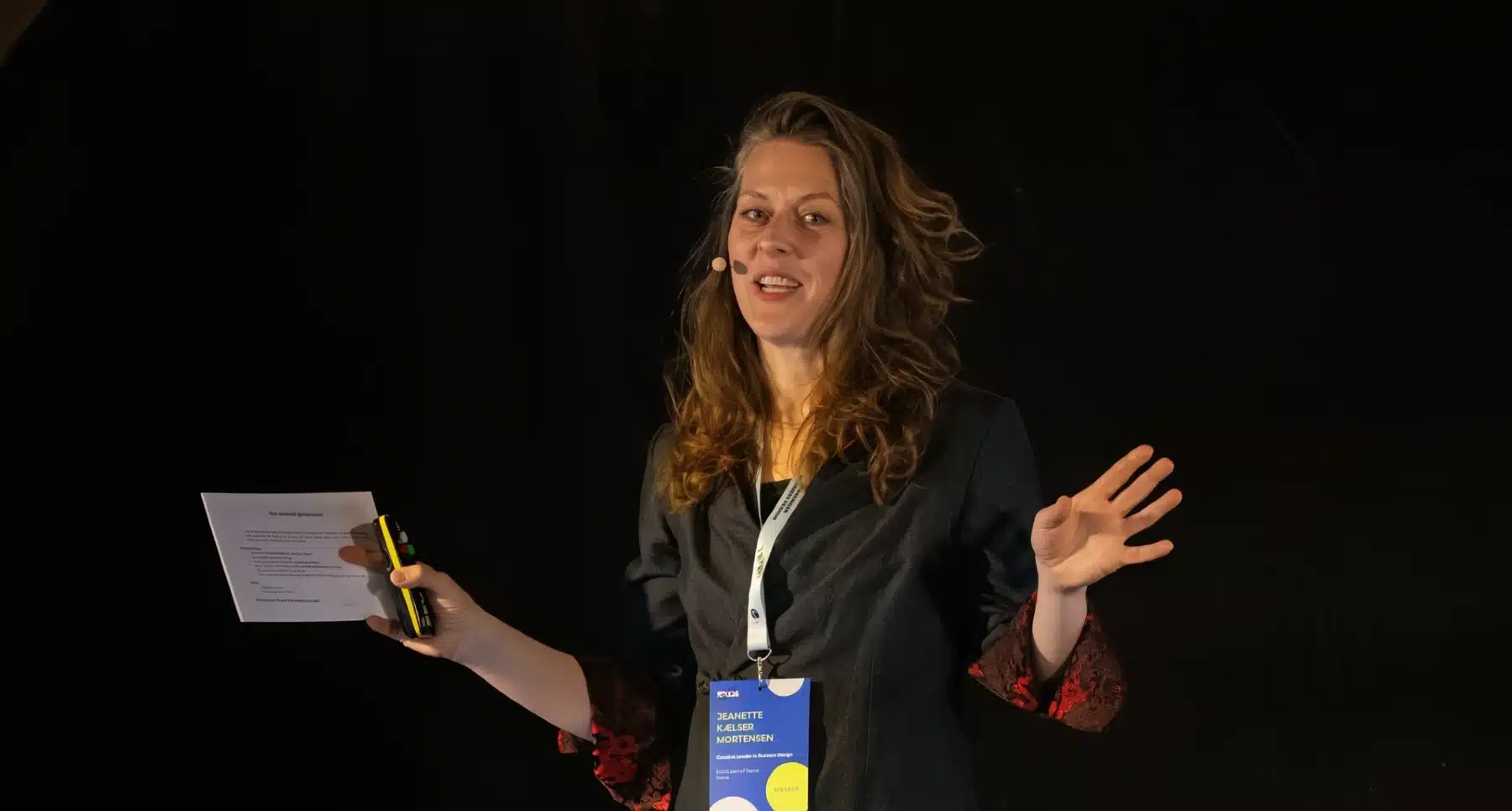
Jeanette Kæseler is co-founder of NORA, a non-profit do-tank.
Header image: courtesy of Jeanette Kæseler