Most women who break a bone after 50 are never assessed for osteoporosis, though treatment can cut hip fracture risk by up to 40%. Ahead of World Osteoporosis Day on 20 October, the evidence points to fracture liaison services and bone building in girlhood as the approaches that work.
One in three women aged 50 and over will break a bone because of osteoporosis. For men, the figure is one in five. Up to 80% of people who have such a fracture are never identified or treated for the underlying condition, the International Osteoporosis Foundation (IOF) estimates.
Osteoporosis develops when bone becomes thin and weak enough to break after a minor fall or bump. These breaks are called fragility fractures. The IOF’s campaign for World Osteoporosis Day, on 20 October, carries the theme “Build, protect and strengthen your bones for life”.
Services that catch the second fracture
A first fragility fracture roughly doubles the risk of another, according to the IOF. The risk is highest in the first one to two years. Without treatment, about 20% of women with a spinal fracture have a new one within a year, the toolkit says. Only about one-third of spinal fractures come to clinical attention.
In postmenopausal women, osteoporosis treatment can cut the risk of hip fracture by up to 40%, and of spinal fracture by 30% to 70%, the toolkit says. Yet the IOF says around 80% of people who break a bone are still not diagnosed and treated for osteoporosis.
Fracture liaison services identify people who have broken a bone, assess them for osteoporosis and start treatment to prevent the next break. The IOF’s Capture the Fracture programme recognises 1,378 such services in 66 countries.
Roughly one in five to one in four people die within a year of a hip fracture, the IOF says. Of those who survive, 60% need help a year later and 40% cannot walk independently.
Girls build most of their bone by 18
Girls reach up to 90% of their peak bone mass by age 18, the IOF toolkit says, and boys by 20. Bone built during puberty accounts for 40% to 60% of total bone mass.
Peak bone mass is the most bone a person will ever have. A woman who enters adulthood with denser bones has more in reserve when losses begin.
The IOF advises a diet with enough calcium and protein, and notes that growing young people need more calcium. It also recommends regular weight-bearing and resistance exercise. Women are, on average, five percentage points less active than men worldwide, the World Health Organization (WHO) reports, a gap unchanged since 2000.
Up to 10% of bone density lost after menopause
Oestrogen helps protect bone, and when levels fall at menopause, bone loss speeds up. Women lose up to 10% of their bone density, on average, in the first five years after menopause, says Better Health Channel, the Victorian government’s health information service in Australia.
Menopause before age 45 increases the risk of osteoporosis, the IOF toolkit says. The NHS links smoking to a higher risk.
Treatment gaps from Bulgaria to Malaysia
The IOF’s SCOPE 2021 audit covered the 27 EU countries, the UK and Switzerland. It found that 71% of women who qualified for osteoporosis treatment did not receive it, an IOF summary reported. That is the latest available Europe-wide figure.
Bulgaria had the highest treatment gap, at 87%, followed by Estonia, at 84%. Ireland had the lowest, at 32%, followed by Denmark and Greece at 43%. The region recorded 4.3 million fragility fractures a year, with 5.34 million a year projected by 2034. A woman over 50 had a 15% lifetime chance of hip fracture on average, from 7.0% in Romania to 25.1% in Sweden.
The APCO-IOF Asia Pacific Regional Audit, published in December 2025, covered 22 countries and regions. Malaysia expects hip fractures to more than triple by 2050. Australia expects more than 2.1 million fragility fractures over the next decade. In many settings, fewer than half of patients recommended for treatment start it.
Waits for a DXA bone density scan in the region range from the same day to nearly a year. Costs run from US$15 to US$175. Only six of the 22 countries and regions have named osteoporosis a national health priority.
Protecting bone from girlhood to later life
The UK’s National Health Service advises adults to do at least 150 minutes of moderate activity a week, with muscle-strengthening on two or more days. It recommends weight-bearing exercise, where the legs carry the body’s weight. Cycling and swimming don’t count. The IOF suggests 30 to 40 minutes of exercise three to four times a week, including weight-bearing and resistance work.
The NHS says adults need about 700mg of calcium a day from food, while Better Health Channel in Australia advises about 1,300mg for women after menopause. For vitamin D, the NHS advises 10 micrograms a day, with a supplement in autumn and winter in the UK. It also advises not smoking and drinking no more than 14 units of alcohol a week.
Better Health Channel advises women with risk factors to ask their doctor about a DXA bone density scan. It notes that menopausal hormone therapy started around age 50 can help prevent bone loss. The IOF’s online Osteoporosis Risk Check lists common risk factors, though it says only a doctor can diagnose osteoporosis.
Anyone who breaks a bone, such as a wrist, in a minor fall from standing height should ask for bone density testing and treatment, the IOF advises. It also says back pain that could be a spinal fracture shouldn’t be dismissed.
Where fracture services reach most hospitals
A quarter of countries in the Asia Pacific audit had no fracture liaison services at all. New Zealand and Singapore were the only places where these services covered more than half of hospitals. Manju Chandran chairs the Asia Pacific Consortium on Osteoporosis and directs the osteoporosis unit at Singapore General Hospital. “We must act now to ensure that longer lives are also healthier, independent lives,” she said.
This article is for information only and does not replace advice from a qualified health professional.
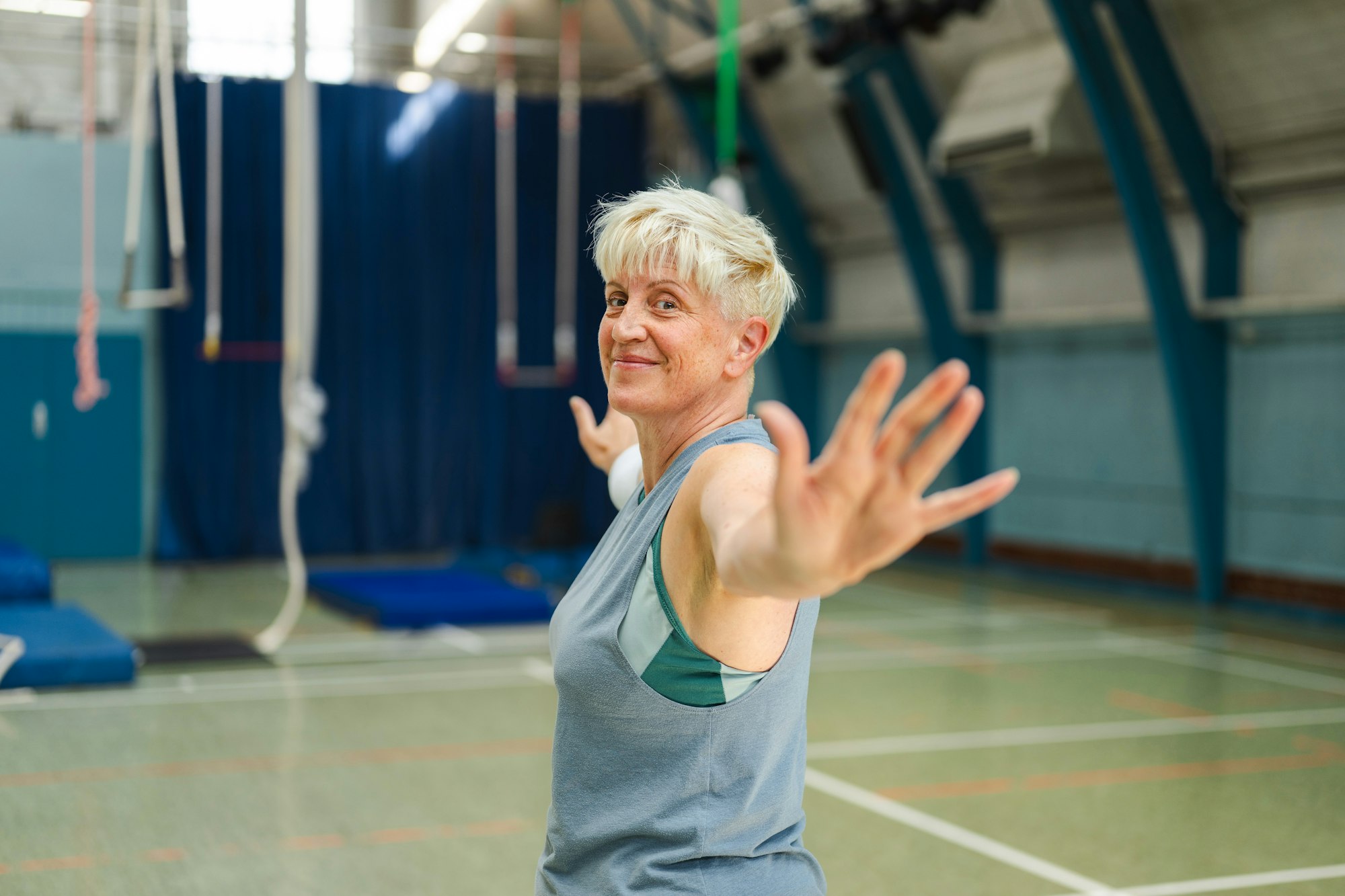
Header image: Centre for Ageing Better on Unsplash