The World Health Organization has published a global plan to tackle high blood pressure in pregnancy, which causes about 16% of maternal deaths. It targets a long gap in medicines for pre-eclampsia, while proven checks and treatments can already protect women today.
Tedros Adhanom Ghebreyesus told a media briefing on 7 October 2026 that WHO’s new plan on high blood pressure in pregnancy “aims to address an innovation gap”. He placed that gap “between the scale of the problem” and “the availability of medicines to prevent or treat pre-eclampsia.” The World Health Organization (WHO) Director-General was describing a field where no medicine has been developed and approved by regulators specifically for the condition.
His organisation published the Global roadmap for hypertensive disorders of pregnancy from 2026 to 2035 and beyond the same day. These disorders, which include pre-eclampsia and eclampsia, cause about 16% of maternal deaths worldwide, or an estimated 42,000 deaths a year. WHO launched the roadmap at the Society for Maternal-Fetal Medicine Global Conference.
Women in poorer countries face the highest risk
Women in low- and middle-income countries carry most of the burden, WHO says. Gaps in antenatal care, trained health workers and emergency services raise their risk of severe complications or death. Women facing poverty, humanitarian crises or geographic isolation are at particular risk.
Pre-eclampsia is high blood pressure that usually develops after 20 weeks of pregnancy. The WHO fact sheet says it affects 3% to 8% of women who give birth worldwide. Eclampsia is its most severe form, involving seizures, and can be life-threatening.
Hypertensive disorders as a group complicate an estimated 10% to 15% of pregnancies. They also cause more than 500,000 stillbirths and newborn deaths a year, WHO says. Women who have had one face higher later-life risks of chronic high blood pressure, heart disease, stroke and kidney disease.
Five areas for the next decade
WHO says research money has gone mainly into diagnostics, with long-term underinvestment in new prevention and treatment. The roadmap covers five areas: research and innovation, global clinical guidance, access to medicines and diagnostics, implementation, and advocacy and accountability. WHO says many countries still lack reliable supplies of aspirin, blood pressure medicines and magnesium sulfate, and some lack basic blood pressure checks and urine protein tests.
A WHO summit in May 2026 brought together more than 140 partners and identified 20 priority research questions. WHO is calling on governments, funders, researchers, industry and civil society to coordinate their work around the plan. Pascale Allotey directs WHO’s Department of Sexual, Reproductive, Maternal, Child, Adolescent Health and Ageing. She said the goal is “that a woman’s chances of surviving pregnancy and having a baby do not depend on where she lives.”
Aspirin, calcium and a blood pressure check at every visit
WHO already recommends low-dose aspirin for women at high risk, started by 20 weeks or when antenatal care begins. It also recommends calcium supplements where diets are low in calcium. Magnesium sulfate injections cut the risk of eclampsia by more than half, according to the fact sheet.
In England and Wales, NICE guidance advises women at high risk to take 75 mg to 150 mg of aspirin daily from 12 weeks until birth. NICE counts high blood pressure in a previous pregnancy, chronic kidney disease, type 1 or type 2 diabetes and chronic high blood pressure as high risk. Autoimmune diseases such as lupus also qualify. Women with any of these can ask at their first antenatal appointment whether aspirin is right for them.
WHO lists warning signs of severe pre-eclampsia: bad headaches, blurred vision or seeing spots, upper abdominal pain and swelling in the hands and face. NICE advises pregnant women to see a healthcare professional immediately if symptoms like these appear. Some women have no symptoms at all, which is why a blood pressure check at every antenatal visit is important.
Allotey said: “Pre-eclampsia can develop in any pregnancy. Whether it becomes fatal depends on whether a woman’s blood pressure was checked in time, and whether quality emergency care was within reach when it turned severe.”
This article is for information only and does not replace advice from a qualified health professional.
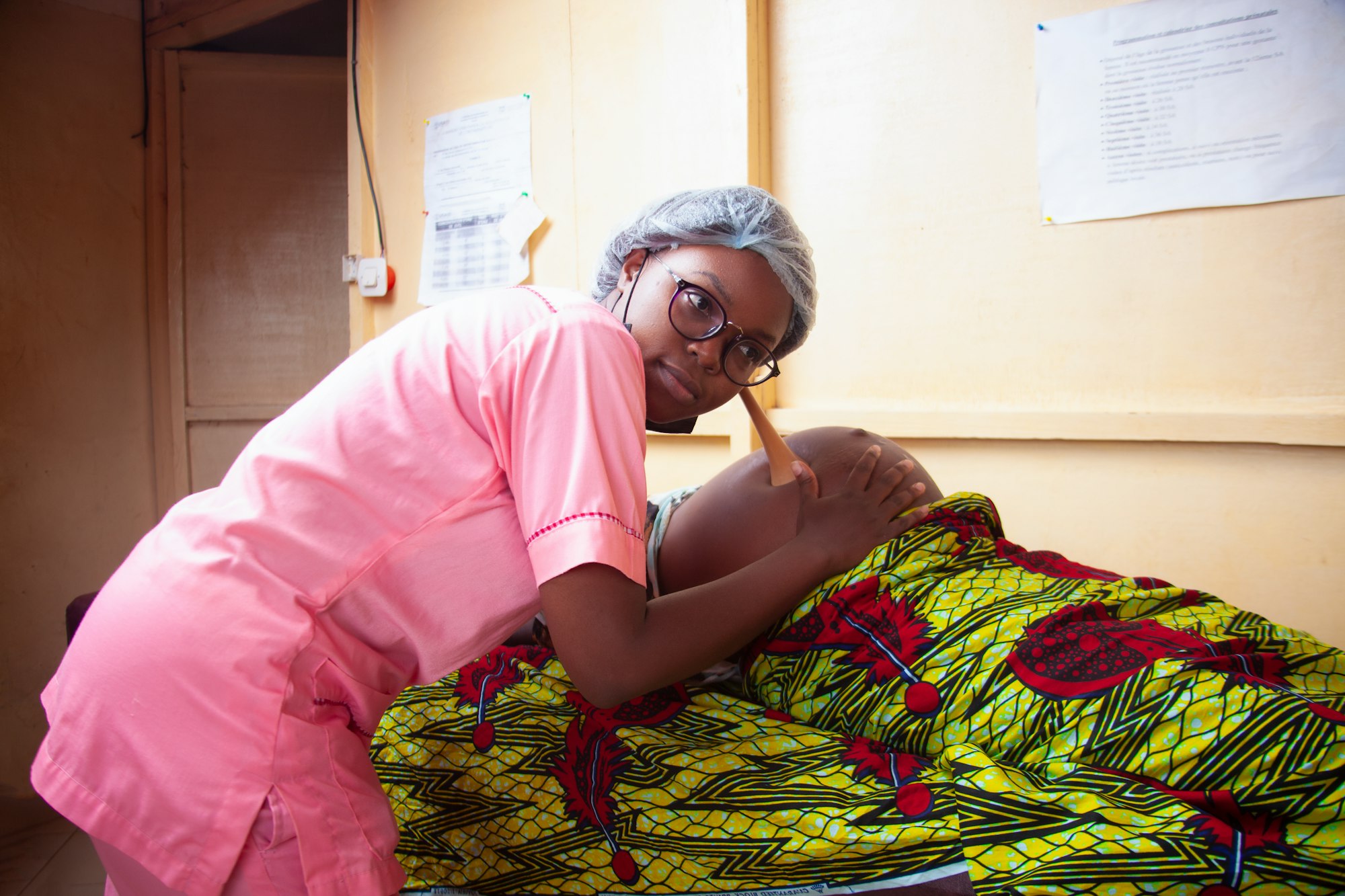
Header image: Iwaria Inc. on Unsplash