
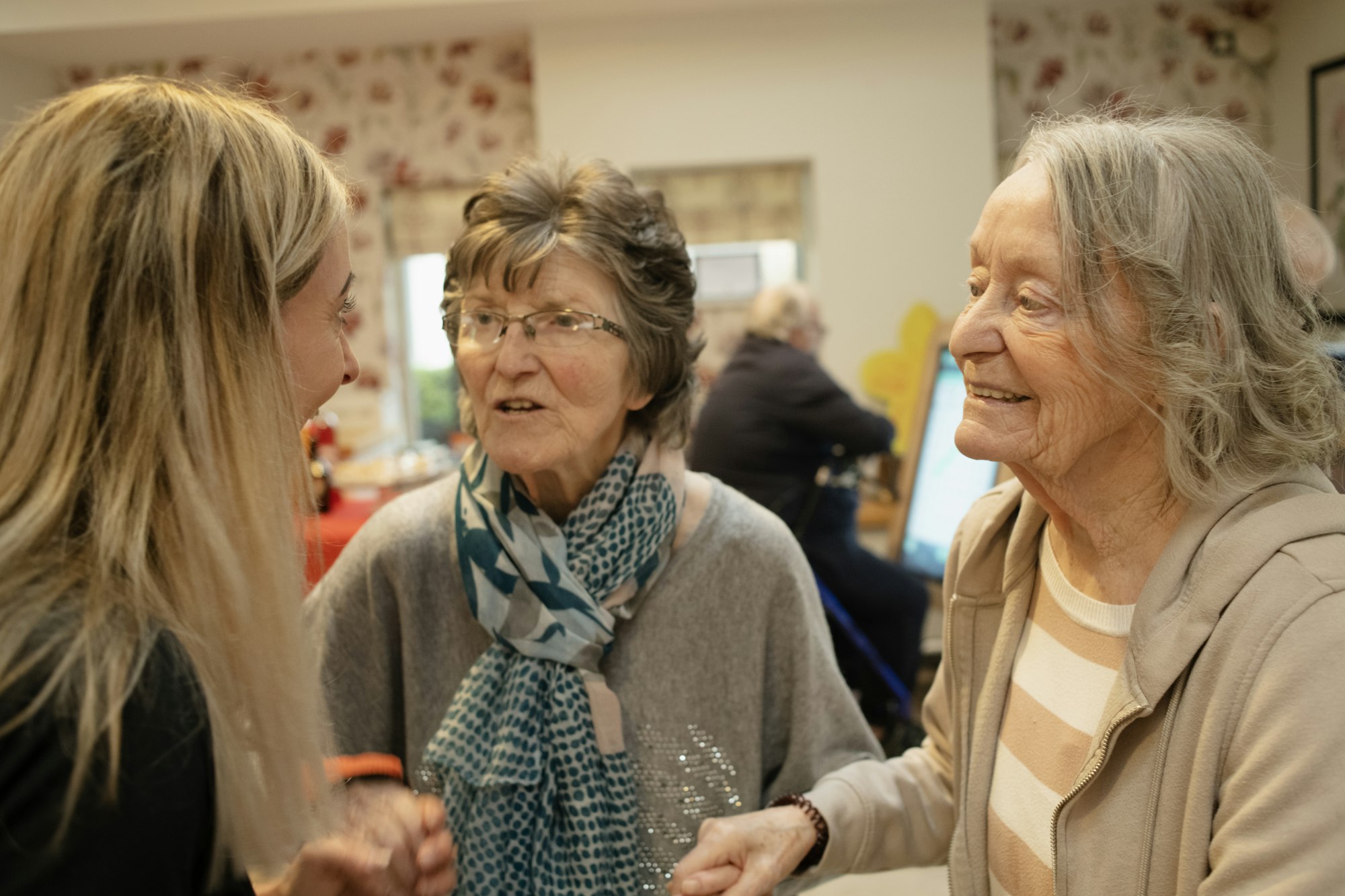
Women who were both lonely and socially isolated could expect 2.4 fewer years free of major physical disease from the age of 50, a study of 277,489 UK adults has found. Healthy habits offset some of the harm linked to isolation, and WHO and some governments are now treating social connection as a health priority.
Social isolation, as one large UK study measured it, counts contact. It covers living alone, seeing friends or family less than once a month and missing weekly social activities. Loneliness records a feeling: often feeling lonely and rarely having someone close to confide in.
A study in Nature Communications tracked both in 277,489 UK adults aged 40 to 69 from the UK Biobank. Its authors describe isolation as an objective measure of the quantity of social connection. They describe loneliness as dissatisfaction with the quality of relationships.
Years lost by women and men
Women who were both lonely and isolated could expect 2.4 fewer years free of major physical disease from the age of 50. For men with both, the loss was 1.7 years. Each group was compared with people who reported neither.
The physical diseases counted were type 2 diabetes, cardiovascular disease, chronic respiratory disease, neurodegenerative disease and cancer. The mental disorders were depression and anxiety. No participant had any of these conditions when they joined.
For mental health, women with both risks lost about 3.7 years free of depression and anxiety, against about 5.8 years for men. Loneliness on its own showed a different pattern. Lonely women who were not isolated lost 3.9 years free of mental disorder, compared with 2.9 years for lonely men.
“Our research found men are more susceptible to being affected by loneliness,” said Lu Qi, a professor at Tulane University’s school of public and tropical medicine and the study’s senior author, in a Tulane release.
Healthy habits offset isolation only
A better diet, exercise, good sleep and not smoking all reduced the disease-free years lost to isolation. They did not significantly reduce the years lost to loneliness. The authors write that “lifestyle interventions may not be a priority option for participants with loneliness”.
Depression may partly explain the link between loneliness and physical disease, the authors suggest. Genes that influence loneliness also overlap with genes linked to depression. The authors also point to psychological stress and inflammation in the brain. All of these are hypotheses that need further research.
The study is observational, so it can’t show that loneliness causes disease. Loneliness and isolation were measured with short questionnaires at a single point. UK Biobank had a 5.5% response rate and isn’t representative of the wider UK population.
Where support for connection is growing
Loneliness affects about one in six people worldwide, according to the WHO Commission on Social Connection, which reported in June 2025. It linked loneliness to more than 871,000 deaths a year. About 24% of people in low-income countries reported loneliness, roughly double the 11% rate in high-income countries.
In May 2025, the World Health Assembly adopted its first resolution on social connection. It urges member states to develop evidence-based policies, programmes and strategies. WHO says solutions include strengthening social infrastructure such as parks, libraries and cafés, and providing psychological interventions.
England’s 2018 loneliness strategy committed that all GPs would be able to refer patients to community activities and voluntary services by 2023, a practice known as social prescribing.
WHO’s commission also names everyday steps, including “reaching out to a friend in need, putting away one’s phone to be fully present in conversation, greeting a neighbor, joining a local group, or volunteering”. It adds that “finding out about available support and services for people who feel lonely is important”. For women whose loneliness persists despite social contact, a GP or local health service can advise on psychological support.
This article is for information only and does not replace advice from a qualified health professional.
Header image: Age Cymru on Unsplash