Four Indian states have vaccinated every 14-year-old girl they identified against HPV, the virus behind almost all cervical cancer. India’s free, single-dose campaign has passed eight million vaccinations since February.
Mizoram, in India’s north-east, has vaccinated every 14-year-old girl it identified against HPV, the human papillomavirus. Gujarat, Uttar Pradesh and Madhya Pradesh have done the same. Uttar Pradesh, the country’s most populous state, has given more than 2.2 million doses, the most of any state.
Across the country, the national campaign has passed eight million vaccinations, the Ministry of Health and Family Welfare said on 11 September. Bihar, Andhra Pradesh and Assam have passed 90% of their targets. Prime Minister Narendra Modi launched the campaign in Ajmer, Rajasthan, on 28 February 2026.
HPV causes almost all cases of cervical cancer, the WHO says. Vaccinating girls before they are exposed to the virus protects them against the types the vaccine covers.
One free dose at government clinics
The government’s launch briefing put the target group at about 11.5 million girls aged 14. Girls who turned 15 within 90 days of the launch could also take part. Each girl receives one dose of Gardasil, a vaccine against four HPV types, procured through Gavi, the Vaccine Alliance.
The dose is voluntary, free and given with parental consent at government health facilities. Sessions run under medical supervision, with arrangements to manage rare adverse reactions around the clock. Progress is tracked on U-WIN, India’s digital immunisation platform.
Why India’s numbers carry global weight
Cervical cancer is the second most common cancer among women in India, after breast cancer. The International Agency for Research on Cancer estimates 79,360 new cases in India in 2024, in its GLOBOCAN country profile. Worldwide, the disease caused around 604,000 new cases and around 280,000 deaths in 2024, according to the World Health Organization. The highest rates of illness and death are in low and middle income countries.
India’s choice of a single dose follows a global shift. By January 2026, 164 countries had an HPV vaccination programme, up from 149 in 2024, the International Vaccine Access Center at Johns Hopkins reported. Of those, 89 used a single-dose schedule. Among countries eligible for Gavi support, 34 of 37 had adopted one.
Only 21% of girls worldwide had received a first dose by age 15 in 2024, the latest available figure. That was up from 16% in 2020. In the WHO African Region, coverage rose from 17% to 28% over the same period.
How families in India can register a daughter
The ministry says its focus is now on reaching the remaining eligible girls. Families can register a daughter on U-WIN themselves, ask a health worker to pre-register her, or register on the spot at the session, the launch briefing says. Certificates can be downloaded from the U-WIN portal, with paper copies on request.
Girls shouldn’t arrive on an empty stomach, and they wait for 30 minutes after the dose so staff can check for reactions. The briefing says doses stay available on routine immunisation days after the first three-month drive. Girls with weakened immune systems, including those living with HIV, should ideally receive two or three doses, the WHO adds.
The WHO advises women to have a high-performance screening test every five to 10 years from age 30, even if they were vaccinated. Women living with HIV should be screened every three to five years from age 25. It says samples women collect themselves for HPV testing are as reliable as those taken by health workers. Women should see a health professional about bleeding between periods, after sex or after menopause, the WHO says.
The WHO’s goal is for 90% of girls to be fully vaccinated against HPV by age 15 by 2030. That target sits alongside goals for screening and treatment in its strategy to eliminate cervical cancer as a public health problem.
This article is for information only and does not replace advice from a qualified health professional.
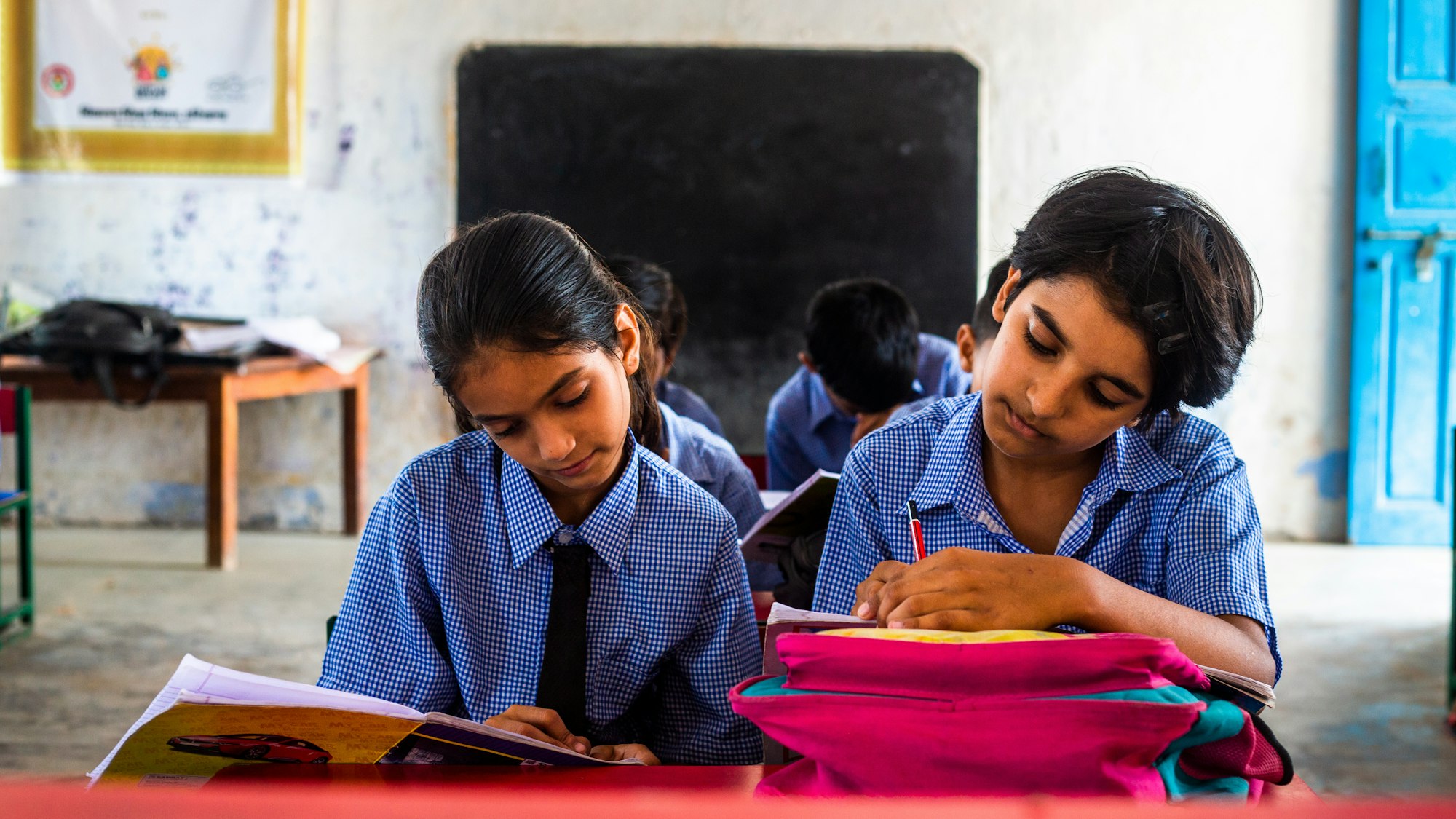
Header image: Swastik Arora on Unsplash