Five-year breast cancer survival ranges from more than 90% in Australia and Japan to 29.9% in Somalia, the first global estimates show. Countries from Mauritius to Denmark show the gap can narrow when cancers are found early and treated quickly.
In Mauritius, five-year survival after a breast cancer diagnosis is 84.5%. In Somalia, it is 29.9%.
Somalia’s result was the lowest named in the first global breast cancer survival estimates, published in Nature Medicine on 8 July 2026. Mauritius recorded the highest survival in WHO’s African Region, slightly above the European Region’s 84.0%. The study covered women diagnosed between 2017 and 2021 in all 194 WHO member states.
Its authors attribute the differences to global health inequities. They call for sustained efforts to improve access to diagnosis and treatment.
Income and region track survival
Five-year net survival averaged 39.1% in the WHO African Region and 88.5% in the Region of the Americas, the International Agency for Research on Cancer (IARC) reported. Net survival counts only deaths caused by the cancer, setting aside deaths from other causes.
The Eastern Mediterranean Region recorded 61.0% and South-East Asia 66.3%. The Western Pacific reached 81.1% and Europe 84.0%.
Median survival was 41.9% in low-income countries and 60.1% in lower-middle-income countries. It rose to 78.7% in upper-middle-income countries and 87.3% in high-income countries. That leaves 45.4 percentage points between the poorest and richest groups.
Australia and Japan recorded survival above 90%, as did ten European countries including Belgium, Denmark, Norway and Sweden. Survival in the Central African Republic, Lesotho and Nigeria fell between 20% and 29%.
Poorer countries see fewer cases and more deaths
WHO’s breast cancer fact sheet estimates that 2.4 million women were diagnosed in 2024 and 694,000 died. In countries with a very high Human Development Index, about one in 12 women will be diagnosed in her lifetime and one in 71 will die of the disease. In low Human Development Index countries, about one in 27 will be diagnosed and one in 48 will die.
Known risk factors include increasing age, obesity, harmful alcohol use, family history and tobacco use. IARC estimates that obesity and alcohol together caused more than 250,000 breast cancer cases in 2022. Inherited mutations in genes such as BRCA1 and BRCA2 greatly increase risk.
WHO says about 80% of breast cancers develop in women with no modifiable risk factor other than sex and age over 40. Survival therefore depends heavily on how early the cancer is found and how well it is treated.
Only 67 countries had observed survival data
Registry data on survival existed for 67 of the 194 member states. Only one of 25 low-income countries had any estimate. In the African Region, 40 of 47 countries had no data, so their figures rely on modelling.
Dr Isabelle Soerjomataram of IARC has called for high-quality cancer data in low and medium Human Development Index countries, including accurate records of diagnosis and outcomes. Without a cancer registry, a country can’t show whether a new diagnostic service is working. Modelled figures give a starting point, and measured data would show progress year by year.
WHO’s standard: diagnosis within 60 days
WHO set up the Global Breast Cancer Initiative in 2021. Its target is to reduce breast cancer mortality by 2.5% a year. Over 20 years, WHO says, that would save 2.5 million lives.
WHO’s 2023 framework has three pillars. Health promotion for early detection comes first, with a goal of at least 60% of breast cancers diagnosed and treated at an early stage. Timely diagnosis is second, within 60 days of a woman first presenting to a health worker. The third pillar is comprehensive management, so that at least 80% of patients complete their recommended treatment, starting within three months of first presentation.
Dr Tedros Adhanom Ghebreyesus, WHO’s Director-General, said at the launch: “We have the tools and the know-how to prevent breast cancer and save lives.”
WHO’s Global status report on cancer 2026, published on 8 July 2026, examined survival, risk factors and health system performance. It describes persistent disparities within and between countries.
Breast changes to report, and the timelines to expect
WHO lists the signs that can appear, especially as the disease advances. These include a lump or thickening, often without pain, and a change in the size, shape or appearance of a breast. Dimpling, redness, pitting or other skin changes are also signs. So are changes to the nipple or the skin around it, and abnormal or bloody fluid from the nipple.
WHO says: “People with an abnormal breast lump should seek medical care, even if the lump does not hurt.” It also notes that “Most breast lumps are not cancer.” WHO says public education can lead more women to see a doctor early, even in countries where mammography screening is impractical.
The 60-day and three-month benchmarks give women a reference point when asking a clinic how long tests and treatment should take. Meeting them is the job of health systems, and WHO is asking governments to fund the services that make that possible.
Belgium, Denmark and four cities show progress
City Cancer Challenge, working with WHO, has applied the framework in Tbilisi, Kumasi, Cali and Phnom Penh, cities in Georgia, Ghana, Colombia and Cambodia. The partnership reports reaching 81,859 women with breast cancer care since 2023. It has trained more than 150 oncology professionals and more than 300 primary care providers.
IARC has projected 3.2 million new breast cancer cases and 1.1 million deaths a year by 2050 if current rates continue. Its February 2025 analysis found mortality was still rising in seven countries, four of them among the lowest on the development index in the study.
The same analysis found breast cancer mortality fell in 29 of 46 very high Human Development Index countries with data. Seven of them, including Belgium and Denmark, were already cutting deaths by the 2.5% a year that WHO’s initiative asks of every country.
This article is for information only and does not replace advice from a qualified health professional.
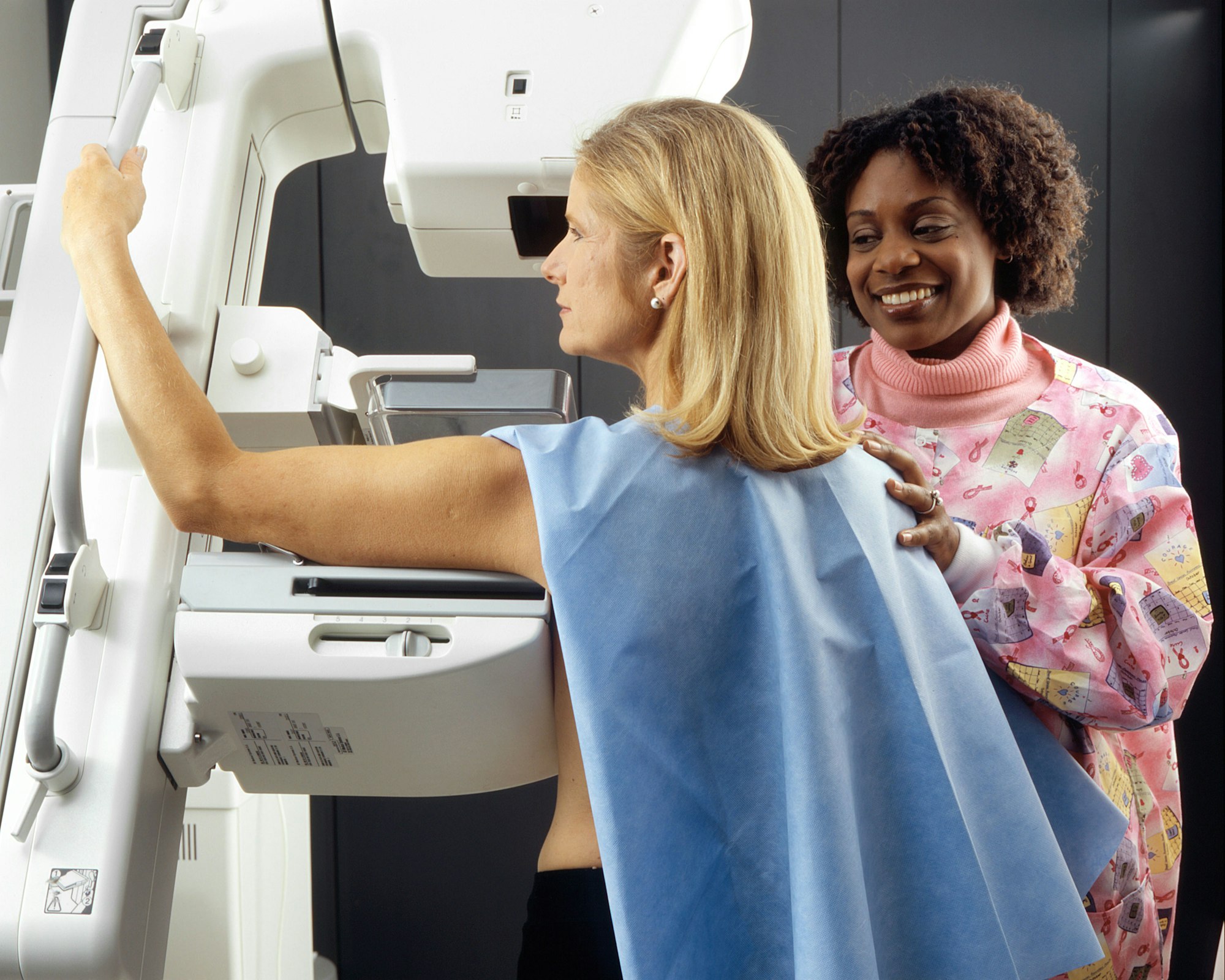
Header image: National Cancer Institute on Unsplash