Aid cuts are projected to leave a US$185m gap in contraceptive funding in 2026. Ethiopia, Zambia and six other countries have pledged more than US$175m of their own money, while clinic closures and shipping delays hit women in sub-Saharan Africa hardest.
Contraceptive funding is US$185m short this year. The gap follows cuts to global aid. In sub-Saharan Africa, clinic closures and shipping delays are adding to the strain.
The UN Population Fund (UNFPA) set out the projected shortfall in a May release. That release also announced record pledges from eight countries paying for women’s health supplies themselves.
Ethiopia, Zambia and six others pay their own way
Ethiopia committed US$150m over three years. Zambia pledged US$7.5m, plus US$4.5m for last-mile distribution to clinics. Ghana, Senegal, Honduras and Nigeria made smaller pledges, and Belgium and Luxembourg added €4m each. The total passed US$175m, and UNFPA will match several of the pledges.
Zimbabwe’s health minister, Douglas Mombeshora, told the Associated Press (AP) that his government has spent US$6.3m on contraceptives since 2022. He has pledged US$2.25m a year for 2026 and 2027, according to an AP report published on 9 October.
1,394 sites closed or never opened
The International Planned Parenthood Federation (IPPF) surveyed its member associations in 2025. It reported in December that 1,394 health sites had closed or failed to open as planned, 1,175 of them in Africa. IPPF linked the closures to US funding cuts. It estimated that nearly 9 million clients worldwide would lose access to services, including 5.9 million in Africa.
Contraception, HIV testing and clinical care for survivors of gender-based violence are among the services at risk, according to Alliance magazine’s summary of the IPPF data.
Fewer donors, slower ships
Sweden’s government announced in December 2025 that it would phase out development aid to Zimbabwe, Tanzania, Mozambique, Liberia and Bolivia. The money will go to Ukraine. Population Services Zimbabwe told the AP that Swedish support ended in August, and that it had also lost a US$9m US grant with more than US$6m unspent.
In March, UNFPA warned that war in the Middle East had delayed many shipments to 16 countries by up to a month. Shippers added war-risk surcharges of US$200 to US$4,000 per container, so the same budget bought fewer supplies. A contraceptive shipment ordered in Zambia last November arrived more than three months late, the AP reported.
Eric Dupont, acting chief of UNFPA’s supply chain management unit, said: “Every day of shipment delay unnecessarily risks women’s lives.”
Self-injection and other options when a clinic is far away
The World Health Organization (WHO) recommends that self-administered injectable contraception be made available as an extra way to deliver the injectable. The method, known as DMPA-SC, lets a woman give herself the injection after a health worker shows her how. WHO found higher rates of continued use with self-injection than with injections given by a health worker.
WHO’s self-care fact sheet also lists over-the-counter emergency contraception among medicines people can use themselves. Its family planning fact sheet says advice from a health worker can help a woman choose a method that suits her. Women can ask a clinic or pharmacy whether self-injection is offered locally. Each of these options still depends on supplies arriving, which is why the funding gap is important.
Malawi released K730m for contraceptives in 2026 and has earmarked K1bn for 2027. Even so, UNFPA estimates a gap of more than US$10m in Malawi’s 2027 contraceptive budget.
This article is for information only and does not replace advice from a qualified health professional.
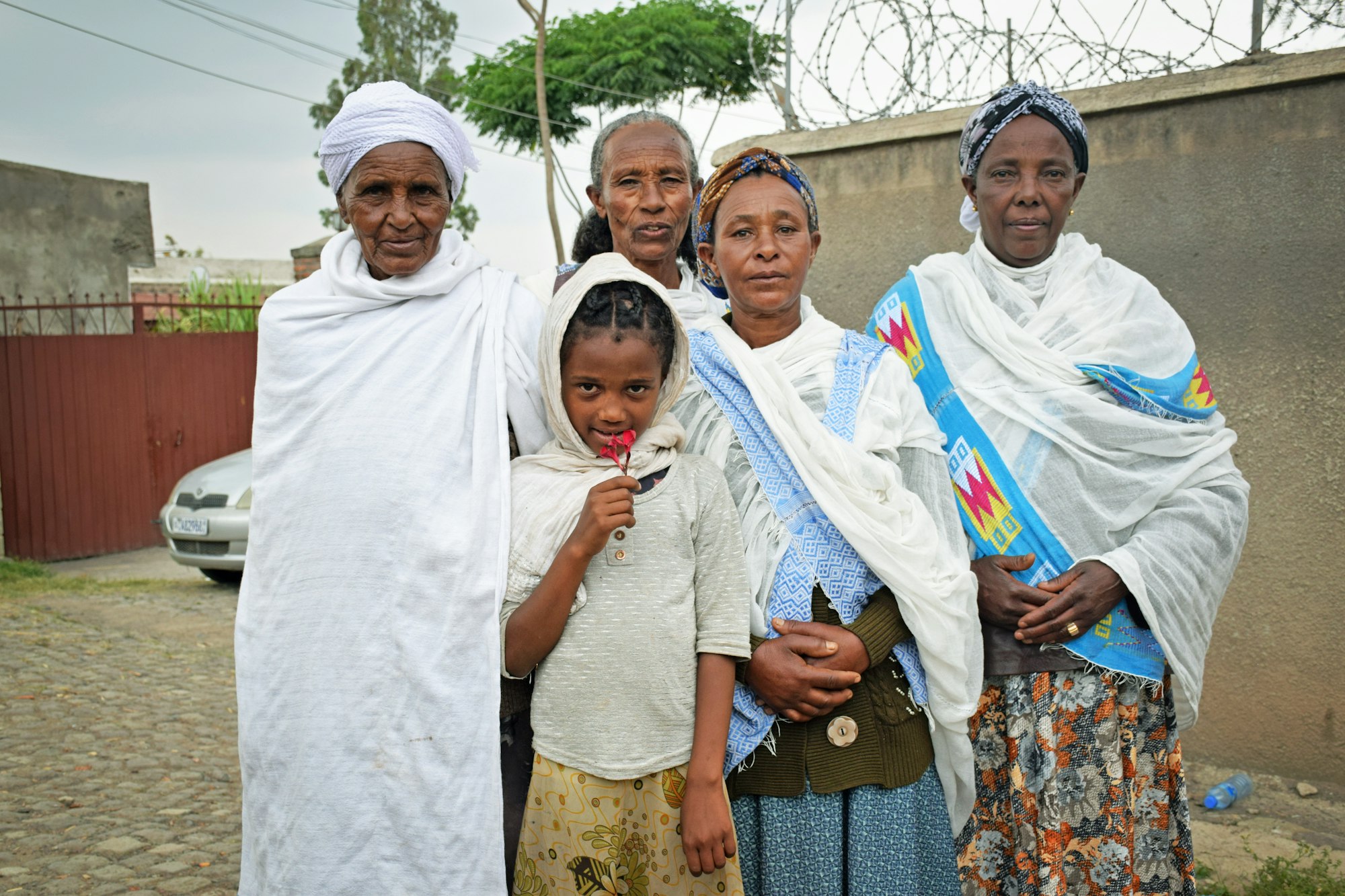
Header image: Imani Manyara on Unsplash