
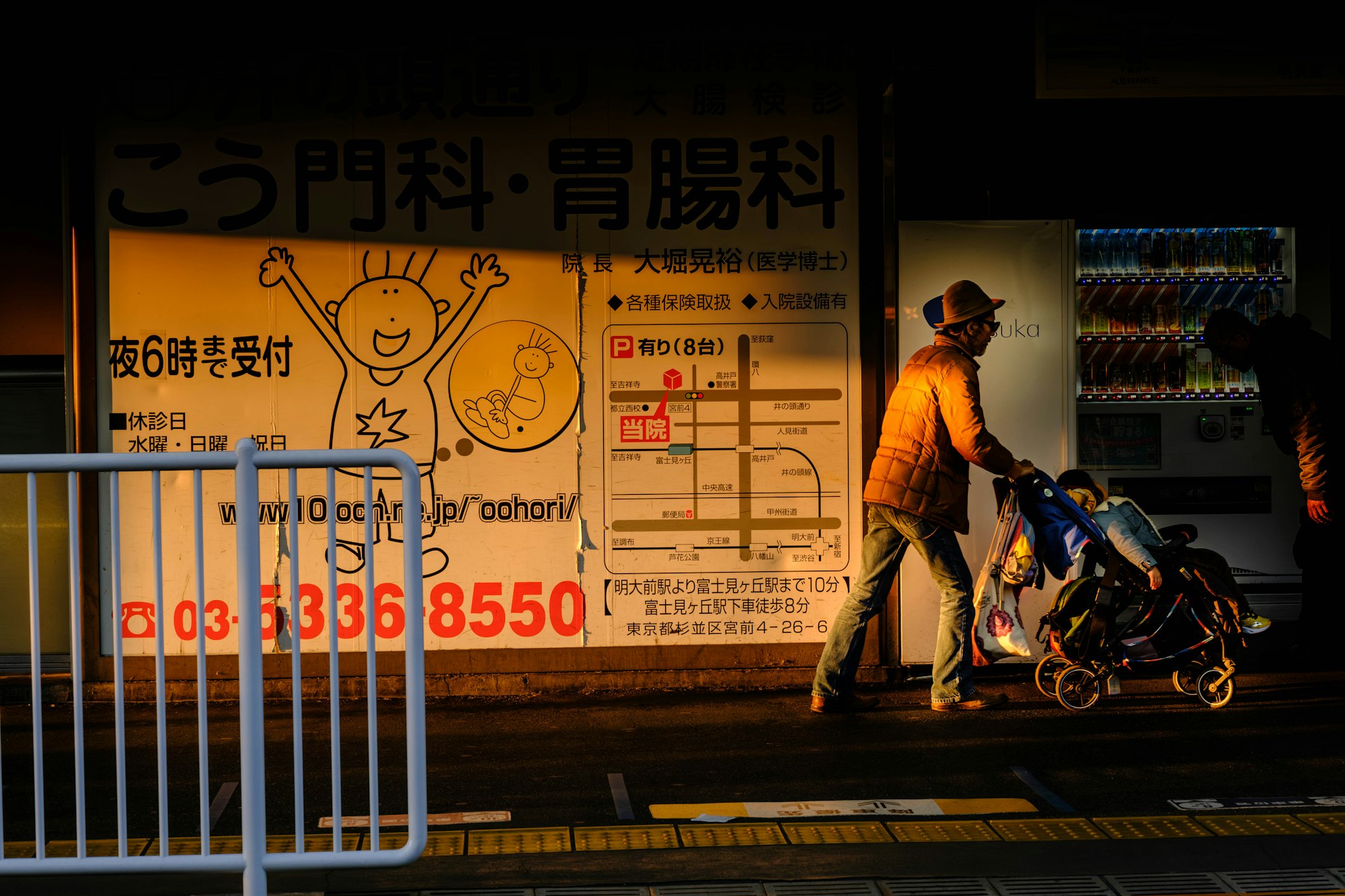
For the first time, more than half of eligible fathers in Japan have taken childcare leave. Most still take weeks while mothers take a year, and Swedish evidence suggests the timing of fathers’ leave can help women recover after birth.
Japan’s fathers have passed 50%. In fiscal 2025, 50.9% of eligible men took childcare leave, up from 40.5% the year before.
The rise beat the government’s goal of half by 2025, and it was the 13th in a row, Akita Sakigake Shimpo reported. Japan’s Ministry of Health, Labour and Welfare published the figure on 31 July 2026. It covers men whose partners gave birth between October 2023 and September 2024 and who had started leave by 1 October 2025.
Fathers take weeks, mothers take a year
Women’s uptake stood at 88.3%, and the gap in length is wide. Among parents returning to work between April 2024 and March 2025, the most common length for men was one to three months, at 30.3%. For women it was 12 to 18 months, at 31.4%, the ministry’s establishment survey shows.
A further 28% of men took between two weeks and a month. More than 90% of women took six months or more, a ministry summary notes.
Small employers moved fastest. At workplaces with five to 29 staff, the share of eligible men taking leave rose to 42.9% from 25.1%, the Sakigake report said. At workplaces with 500 or more staff it reached 60.7%, up from 53.8%. Officials credit a rule requiring employers to explain leave options when staff report a pregnancy or birth, Anadolu Agency reported.
What Swedish mothers gained
Sweden offers the clearest evidence that short leave, well timed, can help women. In 2012 it let fathers take up to 30 days of paid leave on flexible days while the mother was also at home. Economists Petra Persson and Maya Rossin-Slater tracked what happened next.
Mothers were 14% less likely to need specialist or hospital care for birth complications such as mastitis within six months, Stanford reported. They were 11% less likely to receive antibiotics and 26% less likely to be prescribed anti-anxiety medication. The study later appeared in American Economic Journal: Applied Economics in October 2024.
The research covered one country with a long record of shared leave, so its results may not transfer directly to Japan. Sweden now pays parental benefit for 480 days per child, and parents can take up to 60 of them together, its social insurance agency says.
Planning leave around the first eight weeks
Japan already has a scheme built for that early window. Since 1 October 2022, fathers can take up to four weeks of postnatal leave within eight weeks of the birth, Tokyo Metropolitan Government explains. The leave can be split into two blocks if both are requested together, and requests need two weeks’ notice.
The World Health Organization’s 2022 postnatal care recommendations set out what women everywhere should receive. They include at least three check-ups in the first six weeks after birth and screening for postnatal depression and anxiety. WHO also encourages partners to take part, “by being part of checkups, for instance, as well as providing support to the woman”.
Couples outside Japan can check what their own country offers. Turkey doubled employer-paid leave for fathers from five days to 10 from 1 May 2026, Lockton reported. The same law raised state-paid maternity leave from 16 weeks to 24.
Japan’s next target
Japan’s government now wants 85% of fathers to take leave by 2030, the ministry says. Its annual survey will show whether the leave men take grows longer as well as more common.
This article is for information only and does not replace advice from a qualified health professional.
Header image: Fumiaki Hayashi on Unsplash