Bangladesh, where seven in 10 births now take place in a health facility, plans to redirect €250m from a European Investment Bank loan into maternal, newborn and cancer care. The government says the initiative will reach about 47 million women and girls between 2027 and 2031.
In Bangladesh, 71% of women now give birth in a health facility and 77% of deliveries have a skilled attendant. The country’s 2025 Multiple Indicator Cluster Survey, in preliminary results welcomed by the UN Population Fund (UNFPA), also shows caesarean births up from 36% in 2019 to 51.8%. Child marriage remains common, with 47.2% of women aged 20 to 24 married before 18.
The government and the European Investment Bank (EIB) now plan a €250m, five-year initiative for women’s health. Both sides intend to redirect the money from an existing EIB sovereign loan, so no new lending is involved. Officials set out the plan at the World Health Summit in Berlin on 11 October, the Dhaka Tribune reported.
100,000 community workers and 25,000 midwives
Zubaida Rahman, vice-president of the Ziaur Rahman Foundation and wife of the prime minister, described who would deliver the care. She said the government intends to recruit 100,000 community and well-being workers, about 80% of them women. It also plans 25,000 professional midwives, bdnews24.com reported.
Those workers would serve an initiative aimed at about 47 million women and girls between 2027 and 2031. Its priorities are maternal and newborn care, cervical and breast cancer services, and emergency obstetric and newborn care. Primary healthcare, referral services, district hospitals and critical care are also covered. UNFPA is the implementing partner.
Building on a 79% fall in maternal deaths
Bangladesh cut its maternal mortality ratio from 523 to 115 deaths per 100,000 live births between 2000 and 2023. That is a 79% fall, according to the UN’s Trends in Maternal Mortality report. The global ratio was 197 per 100,000 in 2023.
Sardar Md Sakhawat Hussain, Bangladesh’s health and family welfare minister, said: “The health and well-being of women and girls are fundamental to Bangladesh’s future.” Ziauddin Hyder, the prime minister’s special adviser on health, said: “Our vision is to shift health systems from treatment to prevention and health promotion.” Both quotes were reported from a UNFPA release. Diene Keita, UNFPA’s executive director, called for women’s health to be seen “from cost to investment”.
No loan terms, budget breakdown or outcome targets have been published. The original size, purpose and date of the loan being redirected have not been stated either.
Cervical cancer protection already reaching girls
Bangladesh vaccinated 5.6 million girls against human papillomavirus (HPV), a common infection that can cause cervical cancer, in a national campaign. That was 93% of eligible girls aged 10 to 14, the Dhaka Tribune reported in December 2024. The vaccine was due to join the routine immunisation programme from 2025.
The World Health Organization (WHO) cervical cancer fact sheet calls HPV vaccination a priority for all girls aged 9 to 14. It recommends that women be screened with a high-performance test every five to 10 years from age 30. Women can ask at their local health centre whether screening is offered and which test is used.
Rahman linked the plan to a goal on how far women travel for care. “No woman in any part of Bangladesh should have to travel beyond her Upazila health complex or district hospital,” she said in Berlin.
This article is for information only and does not replace advice from a qualified health professional.
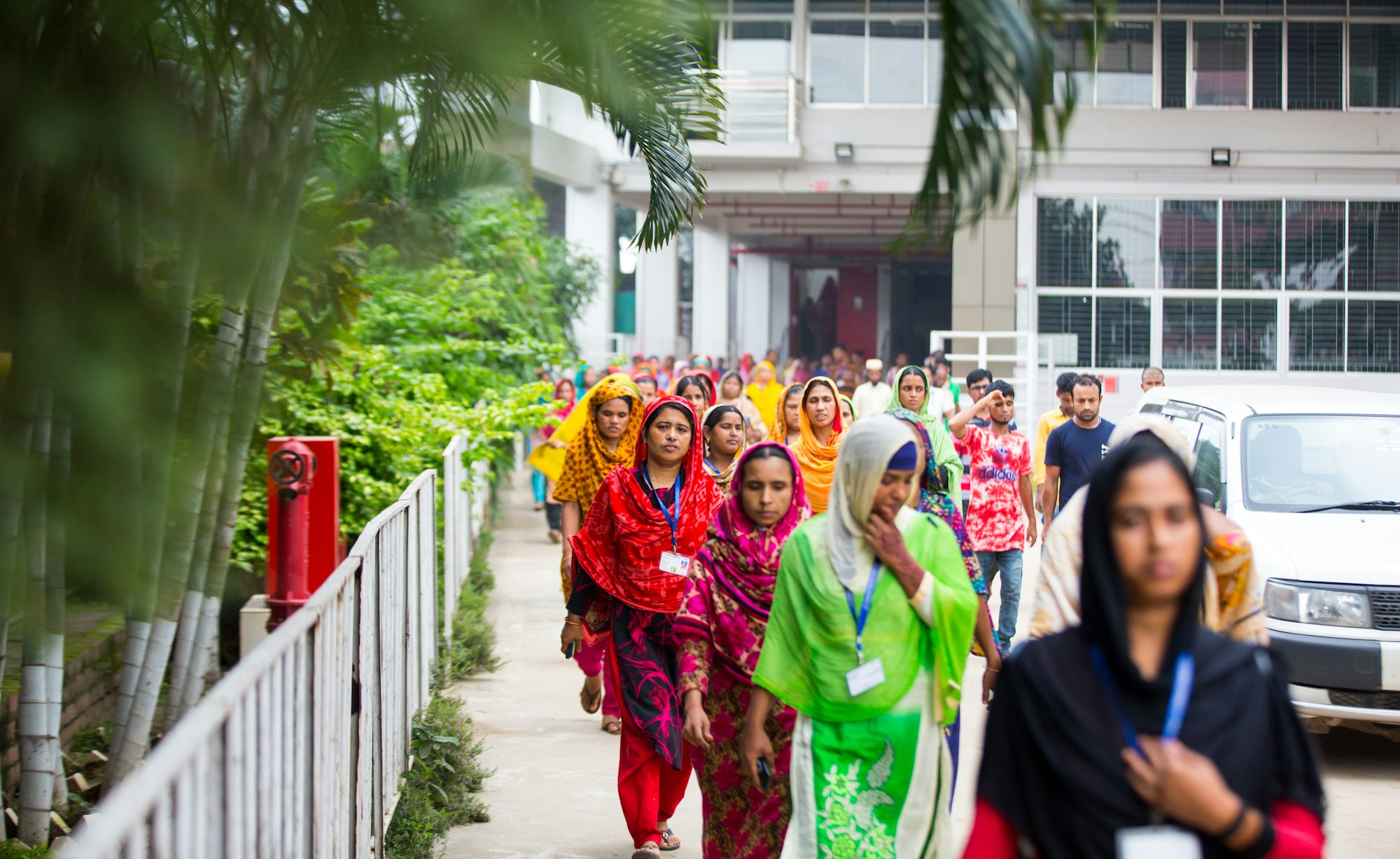
Header image: Shanjir H | Photo4life AU on Unsplash