One in three national bodies set up to advance gender equality has lost institutional power in the past two years, a UN report finds. Legal reforms in 68 economies and upcoming UN reviews give governments and advocates routes to reverse the trend.
Sima Bahous, Executive Director of UN Women, used the launch of the Gender Snapshot 2026 to say that equality “cannot be achieved without equal access to power”. UN Women published the report with the UN Department of Economic and Social Affairs (UN DESA) on 17 September 2026. It finds that access is shrinking.
One in three national bodies set up to advance gender equality has had its institutional power eroded over the past two years. Around one in four of these national mechanisms has had its operating budget cut. Nearly one in ten has lost control of its budget altogether. Within the UN system, 42% of entities report a weakening of their gender equality efforts.
No gender equality indicator on track for 2030
Funding for gender equality has fallen to its lowest level since 2021, the report finds. Not one indicator for Sustainable Development Goal 5, the goal on gender equality, is on track to be met by 2030.
Li Junhua, UN Under-Secretary-General for Economic and Social Affairs, said that at current rates gender equality remains 171 years away. Parity in national parliaments is 63 years off, the IISD SDG Knowledge Hub reports. Of 175 chief justices worldwide, 31 are women. In Bahous’s words, “equality without power is not equality at all”.
Violence, child marriage and hunger
An estimated 316 million women experienced physical or sexual violence from an intimate partner in the past 12 months, Down to Earth reported from the Snapshot. Nearly one in five girls is married before 18. About 230 million women and girls alive today have undergone female genital mutilation.
At the current pace, 1.1 billion women and girls could still be food insecure by 2030. Women and girls spend 2.5 times as many hours as men on unpaid care and domestic work. In 2024, 9.9% of women lived in extreme poverty, compared with 9.5% of men.
113 legal reforms in two years
The World Bank counted 113 reforms that strengthened women’s economic opportunities in 68 economies over the past two years. Entrepreneurship and safety from violence saw the most progress. Sub-Saharan Africa recorded 33 reforms, more than any other region.
Egypt raised its legal equality score by nearly 10 points. It extended paid maternity leave from 90 to 120 days and mandated equal pay.
Taking the findings to UN reviews
UN Women and UN DESA call on governments to protect the mandates and budgets of gender equality mechanisms. They also ask for investment in the statistics that track progress. Li Junhua said: “Investing in gender equality, institutions, and the statistical systems that hold them to account is not a cost.” The report also calls for closing a 36 percentage-point gap in women’s legal rights, according to IISD.
CEDAW, the UN convention on discrimination against women, gives women’s organisations a formal route to raise these concerns. It has been ratified by 189 states. Its committee reviews each government’s record in public. The committee posts the submissions it receives from civil society on each session’s page. OHCHR also publishes a calendar of country reviews and deadlines. Groups can use it to check when their own government is next due.
The next global moment comes at the Commission on the Status of Women in New York, from 8 to 19 March 2027. Its priority theme is accelerating gender equality and the empowerment of all women and girls under the 2030 Agenda. Non-governmental organisations accredited to the UN Economic and Social Council, from every region, are invited to attend.
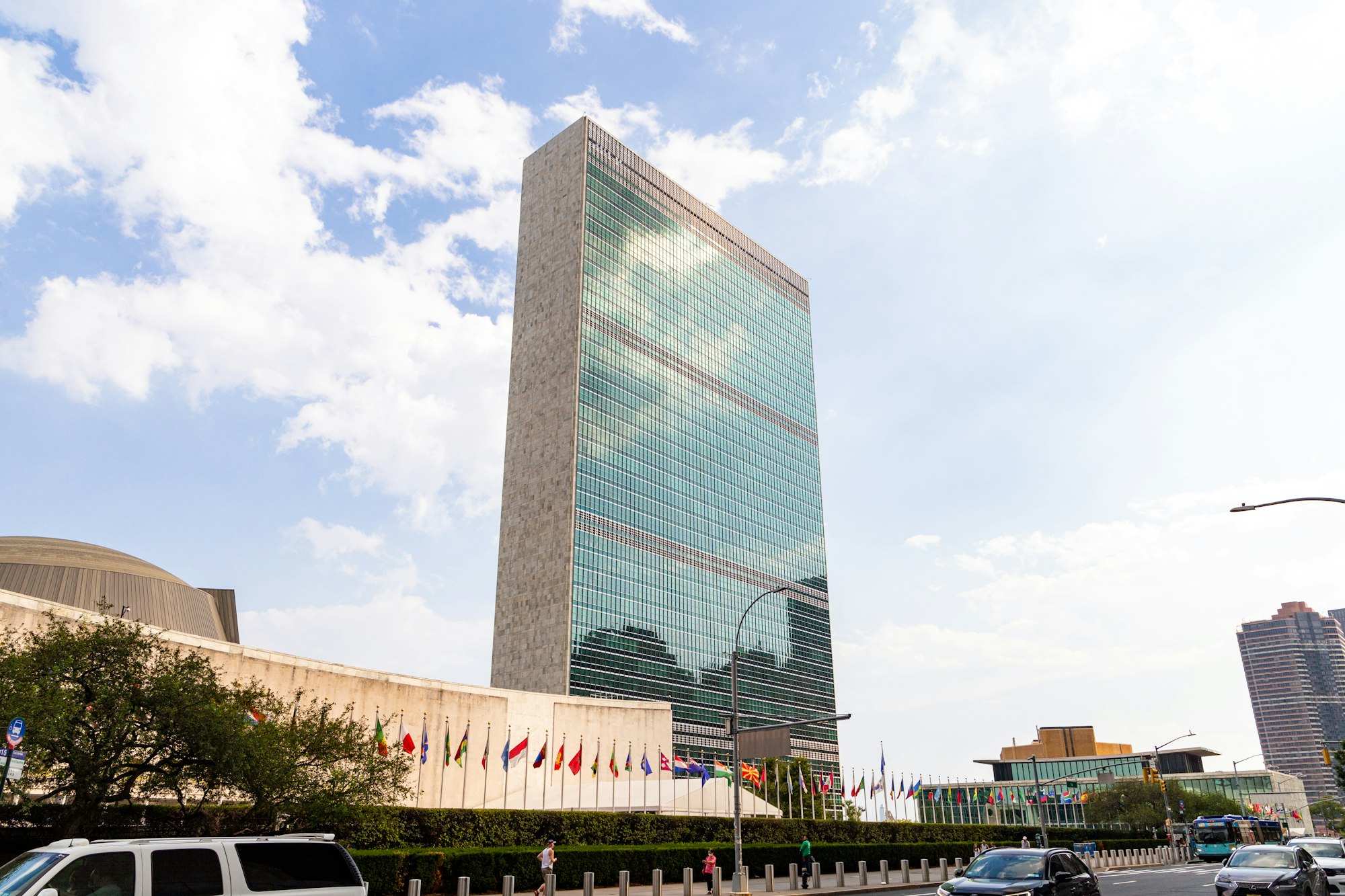
Header image: Maxim Klimashin on Unsplash