In 2017, a third of women surveyed had waited more than two years for a diagnosis of polycystic ovary syndrome. The condition now has a new name, polyendocrine metabolic ovarian syndrome, and its backers hope it will lead to faster diagnosis and better long-term care.
In 2017, a survey of women with polycystic ovary syndrome in 32 countries found that a third (33.6%) had waited more than two years for a diagnosis. Almost half (47.1%) had seen three or more health professionals first. Only 15.6% were satisfied with the information they received when they were diagnosed.
Nine years later, the condition has a new name. The Lancet published an international consensus on 12 May 2026 renaming it polyendocrine metabolic ovarian syndrome, or PMOS. Its backers hope a name that leads with hormones and metabolism will shorten the wait for the more than 170 million women it affects worldwide, about one in eight.
Fourteen years and 22,000 voices
Monash University says the process took 14 years and drew more than 22,000 survey responses. It also involved international workshops with patients and health professionals, and 56 patient and professional organisations.
Helena Teede led the work. She is director of the Monash Centre for Health Research and Implementation and an endocrinologist at Monash Health in Melbourne.
Co-leads came from Australia, Europe and the United States. They included Terhi Piltonen, president of the Androgen Excess and PCOS Society, based at Oulu University in Finland. Anuja Dokras, the society’s executive director in the United States, and Rachel Morman, chair of the UK charity Verity, also co-led.
Piltonen said: “It was essential that the new name was scientifically correct but also considered across diverse cultural contexts.” That point is relevant for a condition diagnosed in clinics from Lagos to Lima. Monash-led international guidelines from 2018 and 2023 are used in 195 countries, according to InSight+, the Medical Journal of Australia’s news site.
Why the word “polycystic” misled patients
Polyendocrine means the condition involves several hormone systems. Metabolic refers to how the body handles energy, including insulin and blood sugar. Ovarian keeps the link to the ovaries and periods.
Teede explained the problem with the old name in the Endocrine Society’s release. “What we now know is that there is actually no increase in abnormal cysts on the ovary,” she said. The World Health Organization’s fact sheet notes that some women with the condition do not have polycystic ovaries at all, and cysts are not required for diagnosis.
The Royal Australian and New Zealand College of Obstetricians and Gynaecologists (RANZCOG) has seen the effect in clinics. In its statement welcoming the change, it said some patients arrived believing they needed surgery for large cysts. That confusion “can dominate early consultations and delay more constructive conversations”, the college said.
How a diagnosis is missed
Under the criteria WHO describes, a woman needs at least two of three features. These are high levels of androgens (hormones such as testosterone), irregular or absent periods, and polycystic ovaries on ultrasound. Other causes must be ruled out first.
WHO lists unpredictable or absent periods, difficulty conceiving, excess facial or body hair, hair thinning and acne. A woman may see a different clinician for each, and nobody may connect them. WHO estimates that up to 70% of affected women worldwide don’t know they have the condition.
The 2017 survey covered 1,385 women, mostly in North America and Europe, and remains one of the largest available. Its figures are now nine years old and skewed towards high-income countries. Newer, more global data would show whether care has improved.
Hormones, blood sugar and blood pressure
WHO lists type 2 diabetes, gestational diabetes, high blood pressure and cardiovascular disease among the long-term risks. It also notes higher rates of anxiety, depression, eating disorders and negative body image.
InSight+ reports that raised insulin levels, a sign of insulin resistance, are found in roughly 70% to 90% of overweight patients. They are also found in 30% to 70% of lean women with the condition.
Magdalena Simonis is an associate professor of general practice at the University of Melbourne. She told InSight+: “This is a lifelong hormone disorder that needs lifelong management.” Many women are diagnosed young and then lose contact with care once their fertility questions are answered.
Backers of the new name hope it will prompt different questions. A clinician seeing PMOS on a record may be more likely to check blood sugar and blood pressure over the years. No evidence yet shows whether that will happen.
Getting checked under either name
WHO says that “seeking health care early to manage symptoms of PCOS can help women protect their health and well-being”. Women with irregular periods, excess hair growth, acne or difficulty conceiving can ask a doctor whether the condition could explain them.
After a diagnosis, WHO recommends additional blood testing. It also says treatment choices should rest on shared decision-making between a woman and her clinician. There is no cure, but the combined pill can help regulate periods, and androgen receptor blockers may treat excess hair or acne, according to WHO.
In Australia, Simonis told InSight+ that GPs are “not expected to perform an ultrasound for any woman who meets any of the two criteria”. A woman with irregular periods and signs of high androgens can therefore be diagnosed without waiting for a scan. Teede said she hopes doctors will “get better at listening to women about this condition”.
Monash offers the free AskPCOS app and a question prompt list to help women prepare for appointments. The Endocrine Society says PMOS resources are available in several languages on the Monash centre’s website. Verity in the UK and other national patient groups support women living with the condition.
Senators add political attention
On 30 September 2026, the US Senate unanimously adopted a resolution designating September as PCOS Awareness Month. The release from Senator Elizabeth Warren’s office noted the PMOS name and the multiyear transition.
Warren, a Democrat from Massachusetts, co-sponsored the resolution with Deb Fischer, a Republican from Nebraska. Warren said: “We must keep pushing for more research, better and more personalized treatments, and a cure.”
WHO says it supports research on prevention, diagnosis and treatment of infertility linked to the condition. It also supports better statistics on how common the condition is.
Two names on the record until 2028
Patient Care reports that the change is expected to reach clinical guidelines, the International Classification of Diseases and medical school curricula. Until those systems change, women may find either name on their records, or both. Teede has told InSight+ that the name change is “necessary but not sufficient”, and that reclassifying the condition will need further work.
Monash says both names will be used during a three-year transition, supported by an international education campaign. The 2028 update of the international guideline will then adopt PMOS in full.
This article is for information only and does not replace advice from a qualified health professional.
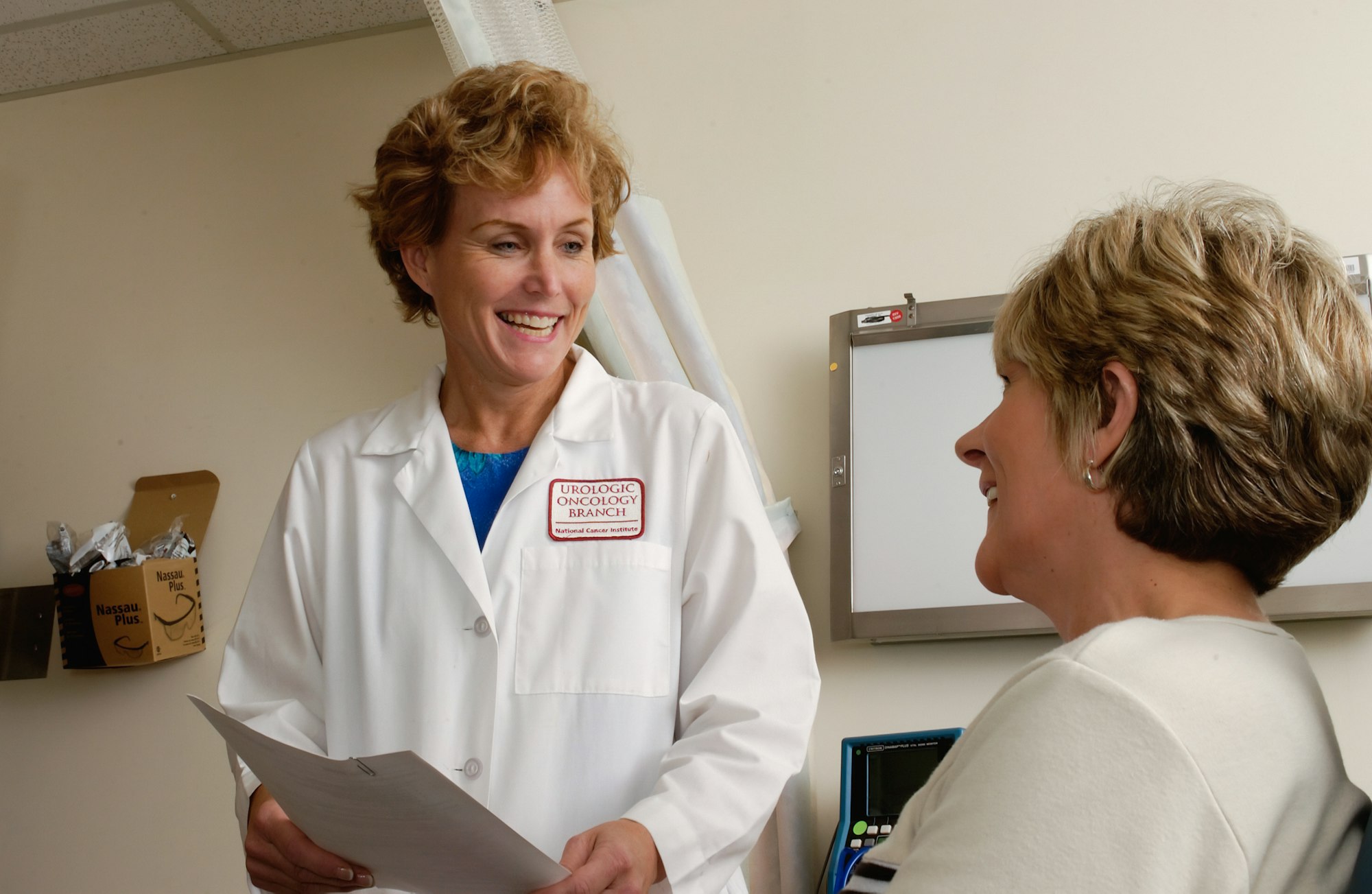
Header image: National Cancer Institute on Unsplash