Cardiologists have rewritten the international definition of a heart attack, calling for separate blood test limits for women and men. The change is meant to cut the number of heart attacks in women that go unrecognised, and women can act on their own symptoms now.
In 2018, the international rulebook for diagnosing heart attacks sorted them into five numbered types. The fourth universal definition of myocardial infarction, summarised by the American Heart Association, covered types 1 to 5. Type 1 was restricted to atherothrombosis, a clot forming on fatty plaque in a coronary artery.
On 30 August 2026, its successor dropped the numbers and asked for separate blood test limits for women and men. The fifth universal definition is the first developed jointly by four bodies. They are the European Society of Cardiology (ESC), the American College of Cardiology, the American Heart Association and the World Heart Federation.
Lower normal levels in women
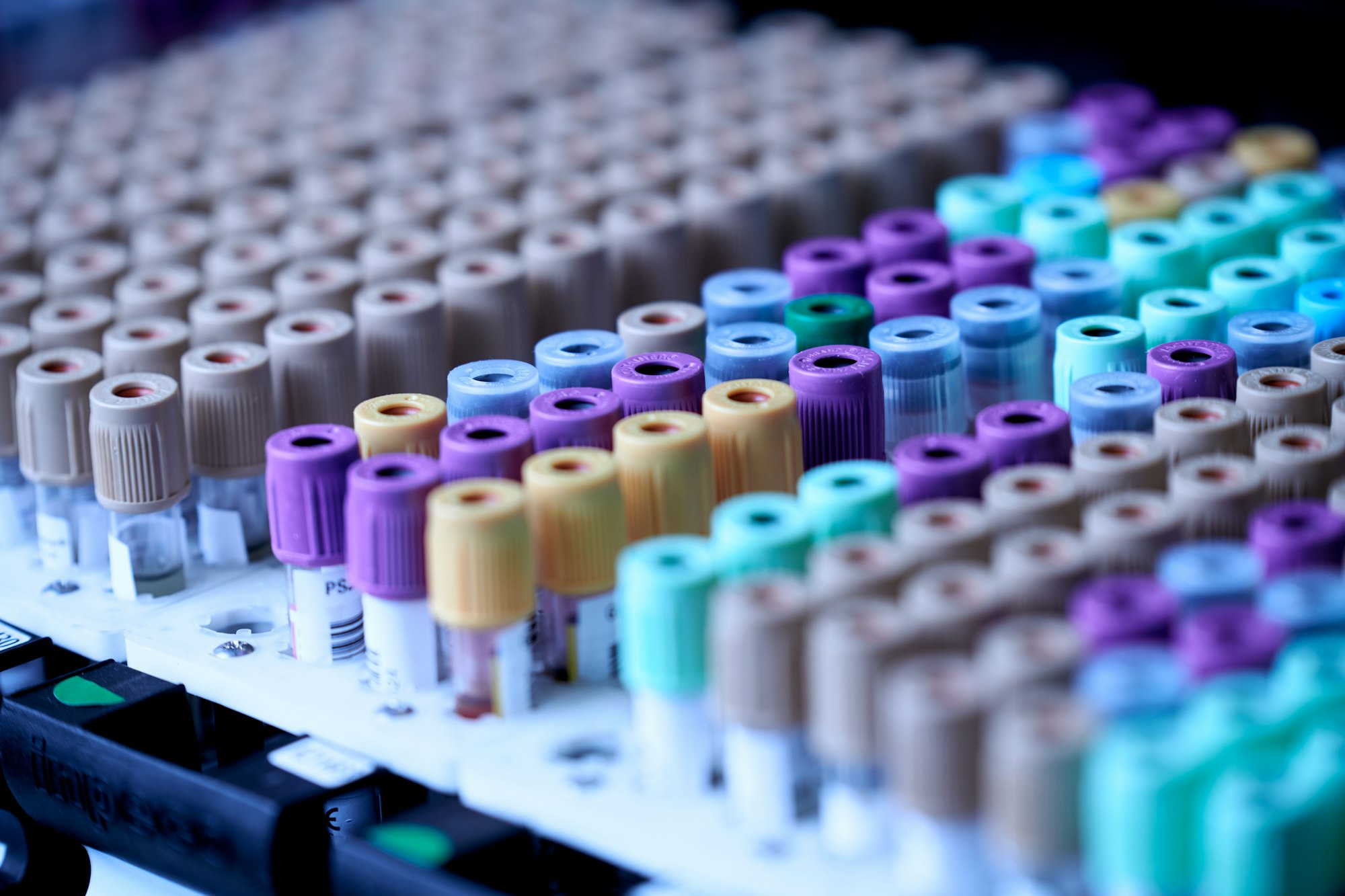
Doctors diagnose a heart attack partly by measuring troponin, a protein released into the blood when heart muscle is damaged. Women tend to have lower normal troponin levels than men. A single cut-off for both sexes can therefore miss damage in women.
The three chairs of the task force, Professor Nicholas Mills, Professor Kristin Newby and Associate Professor Sarah Zaman, said sex-specific limits are needed. They will “avoid systematic bias that may contribute to under-recognition in females,” the chairs said. Mills is at the University of Edinburgh, Newby at Duke University Medical Center and Zaman at the University of Sydney.
Scotland’s High-STEACS trial studied 48,282 patients with suspected heart attacks, 47% of them women, across 10 hospitals. It used a threshold of 16 ng/L for women and 34 ng/L for men. That raised the number of women classed with heart muscle injury by 42%, against 6% for men, the researchers reported in 2019.
After the change, 15% of women with heart muscle injury had treatment to reopen arteries, against 34% of men. Women’s outcomes at one year did not improve. Those thresholds applied to one test, and the ESC release does not set new numerical limits.
SCAD moves into the main category
The new scheme has three categories: primary, secondary and procedure-related heart attacks. Primary heart attacks now cover all sudden problems in the coronary arteries, including spontaneous coronary artery dissection (SCAD), a tear in an artery wall.
At least 80% of people with SCAD are women, the British Heart Foundation (BHF) says. It most often occurs between the ages of 45 and 53, and can happen during pregnancy or soon after. “People may think of an MI as a heart attack caused by a blocked coronary artery, but there are many different causes,” Mills told pharmaphorum.
The task force has also worked with the World Health Organization (WHO) on matching codes for ICD-11, WHO’s international classification of diseases. “While the implementation of ICD-11 coding will take time, it will enable epidemiological research,” the chairs said. They expect it to show how often less common causes such as SCAD occur.
Cardiovascular diseases killed an estimated 19.8 million people in 2022, about 32% of all deaths worldwide, WHO says. A 2021 Lancet commission estimated these diseases cause 35% of women’s deaths each year.
Symptoms women should act on
The BHF lists the signs in its guide to heart attacks in women. Chest pain or discomfort can feel like pressure, tightness, squeezing or heaviness, and may spread to the arms, neck, jaw, back or stomach. Shortness of breath, dizziness, sweating, nausea or vomiting can come with it. Some women feel sudden anxiety, like a panic attack.
Women “are more likely than men to have a delay in being diagnosed or be misdiagnosed,” said Dr Sonya Babu-Narayan, the BHF’s associate medical director. “Do not dismiss your symptoms. Even if it’s a false alarm, it’s better to be reassured.”
In the UK, the BHF says anyone who thinks they’re having a heart attack should call 999 immediately. Elsewhere, call your local emergency number.
This article is for information only and does not replace advice from a qualified health professional.
Header image: Testalize.me on Unsplash