
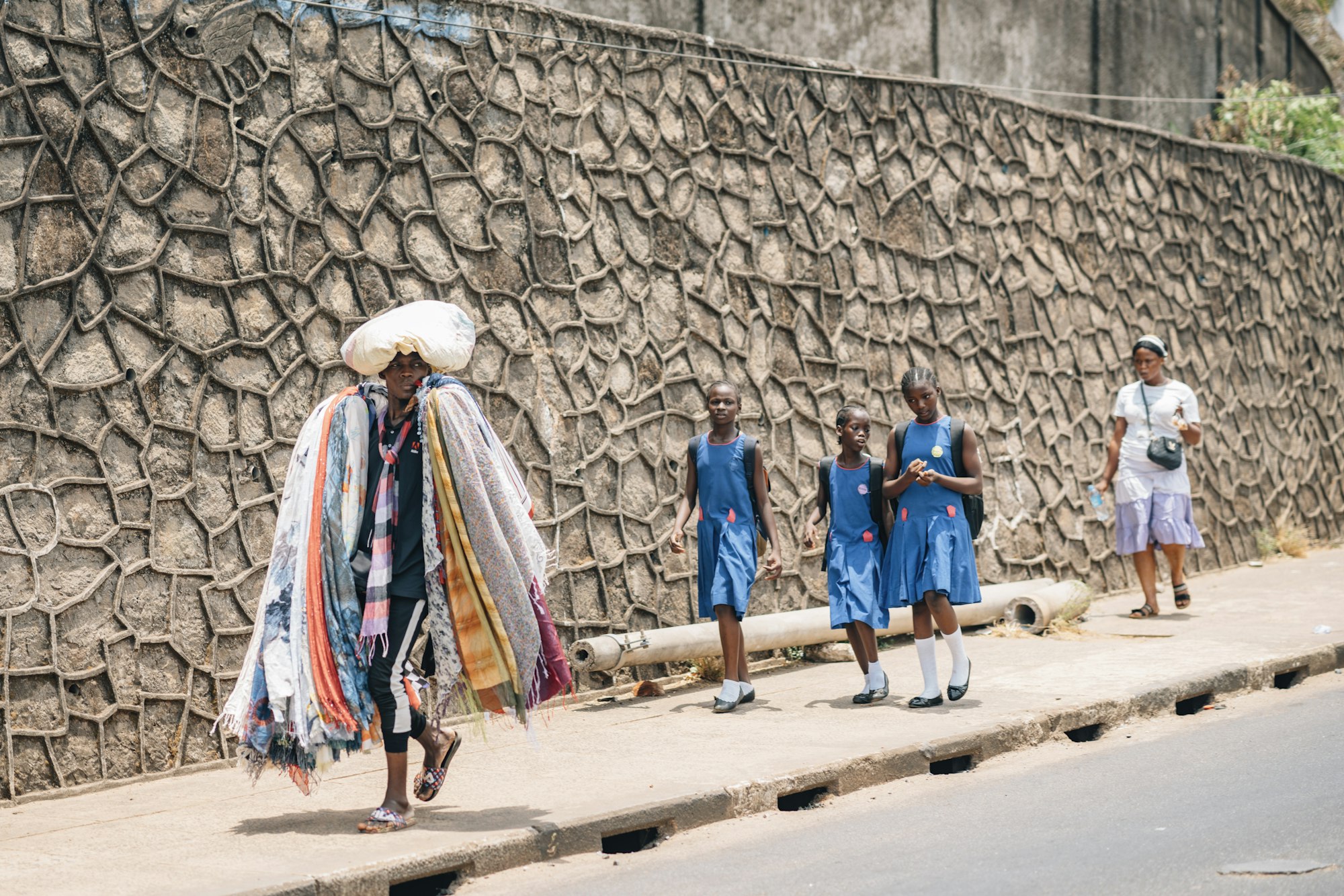
The first International Day for the Elimination of Child, Early and Forced Marriage falls on 27 November 2026. Sierra Leone led the UN resolution creating it, and countries from Sierra Leone to Colombia have already banned marriage under 18.
On 27 November 2026, countries will mark the first International Day for the Elimination of Child, Early and Forced Marriage. The UN General Assembly created the day on 4 September 2026, adopting unanimously a resolution led by Sierra Leone. It will be marked every year on the same date.
Resolution A/80/L.99 calls on governments, UN bodies and civil society to observe the day through awareness campaigns, advocacy and education. It also urges member states to adopt national strategies that cut across sectors, Inter Press Service reports.
More than 60 countries co-sponsored the resolution, IPS says. They included Afghanistan, Cabo Verde, Costa Rica, India, Morocco, Namibia, Rwanda and Sudan. Kenya was one of 20 African co-sponsors, according to Citizen Digital.
From a pledge in India to the General Assembly
Fatima Maada Bio, the First Lady of Sierra Leone, championed the initiative. She took it up after a call from Bhuwan Ribhu, founder of the Indian civil society network Just Rights for Children. Bio said: “An international day itself cannot by itself end child marriage, but political attention can, strong laws can.”
Ribhu chose 27 November because 250 million Indians pledged to end child marriage on that date in 2024, IPS reports. India launched its Bal Vivah Mukt Bharat (Child Marriage Free India) campaign the same day. Its goal is to make India free of child marriage by 2030, according to the Free Press Journal.
Health risks for married girls
About 650 million women and girls alive today were married in childhood, UNICEF estimates. More than 12 million girls are married each year.
“Child marriage places girls at increased risk of pregnancy,” says the World Health Organization (WHO) in its fact sheet on adolescent pregnancy. WHO says mothers aged 10 to 19 face higher risks of eclampsia, a dangerous form of high blood pressure with seizures, and of serious infections. Pregnancy and childbirth complications are among the leading causes of death for girls aged 15 to 19 worldwide, according to WHO.
Girls married early often have little say over when to have children or whether to use contraception, WHO says. Nearly one in four girls aged 15 to 19 who have ever married or partnered has experienced violence from a partner, UNICEF says.
Marking the day, and finding help
Girls Not Brides, a global partnership of more than 1,400 civil society organisations, welcomed the new day. Its interim co-CEO, Lara van Kouterik, said: “Every girl deserves the right to choose her own future. Together, we can end child marriage.” The partnership is asking governments, donors and institutions to back the day with funded action.
Child Helpline International keeps a directory of child helplines run by its members across Africa, the Americas, Asia-Pacific, Europe and the Middle East. These services offer help, support and counselling to children aged 18 and under. For girls and families in Bangladesh and Nepal, the directory lists child helplines on 1098.
Laws already changing
Sierra Leone passed its own ban in 2024. President Julius Maada Bio signed the Prohibition of Child Marriage Act on 2 July 2024. Men who marry girls under 18 face 15 years in prison, a fine of about US$4,000, or both, IPS reported. UNICEF figures cited by IPS show 30% of girls in Sierra Leone were married by 18.
UNICEF estimates that investment in girls’ education, legal reform and social protection has averted 68 million child marriages over the past 25 years.
Andrea Tague Montaña, UNICEF’s gender and development officer in Colombia, told UN News: “Girls do not stop being girls because they are living with a man.” Colombia’s Congress approved a ban on marriage under 18, with no exceptions, in November 2024. It replaces a provision from 1887 that allowed children aged 14 to marry with parental consent, according to UN News.
If you or a girl you know is at risk, Child Helpline International lists local child helplines. Find A Helpline lists crisis lines in many countries.
This article is for information only and does not replace advice from a qualified health professional.
Header image: Random Institute on Unsplash