
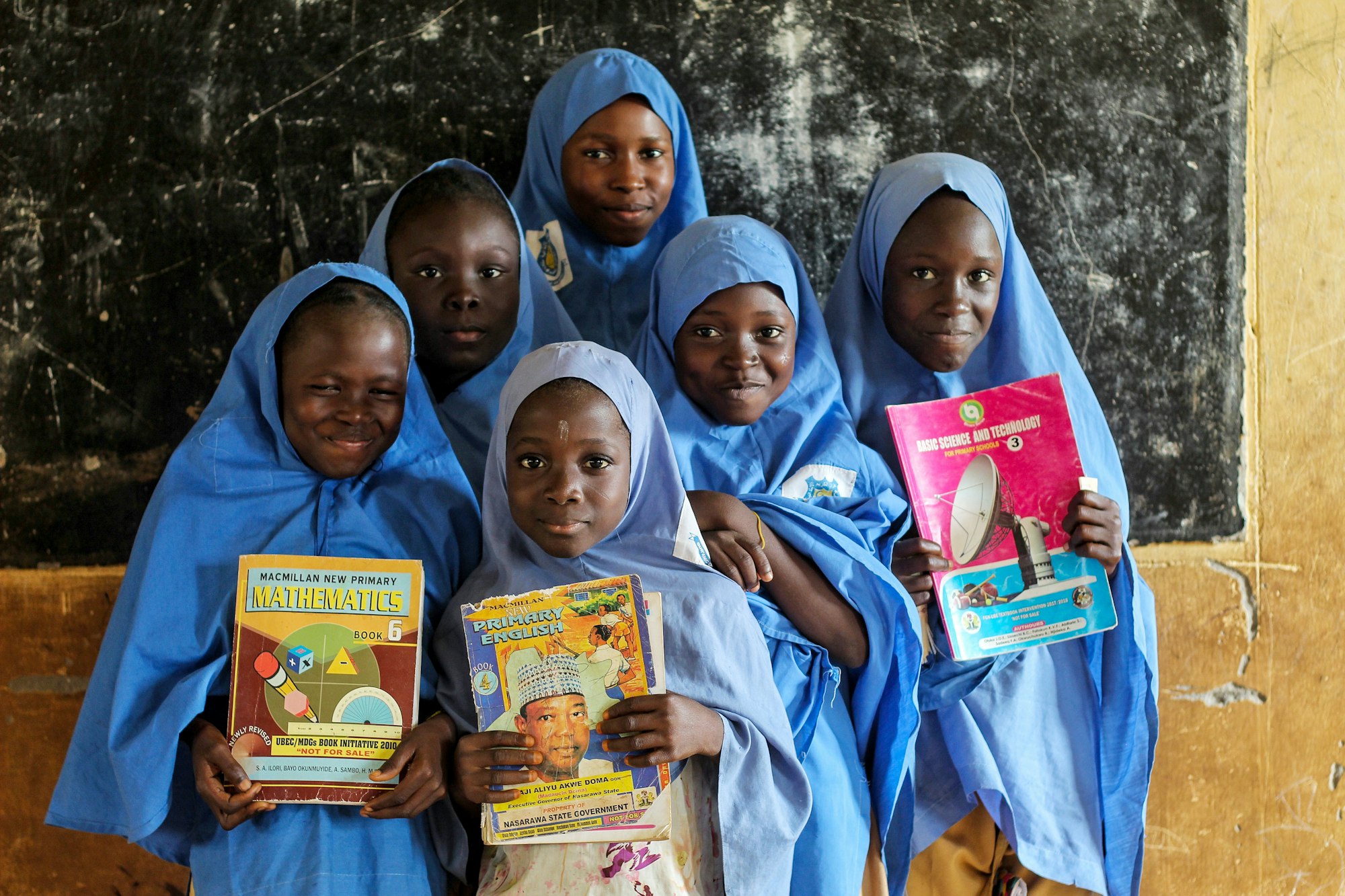
UNICEF estimates that education, legal reform and social protection have averted 68 million child marriages over the past 25 years. Yet about 650 million women and girls alive today were married in childhood, and the agency marked the International Day of the Girl by calling for faster progress.
Some 68 million child marriages have been averted over the past 25 years, UNICEF estimates. The UN children’s agency credits investment in girls’ education, legal reform and social protection. Teenage births are falling too, the World Health Organization (WHO) reports. The global adolescent birth rate fell from 64.5 per 1,000 girls aged 15 to 19 in 2000 to 41.3 in 2023.
About 650 million women and girls alive today were married in childhood, UNICEF estimates. About one in five girls is still married before the age of 18. More than 12 million girls are married each year, about one every three seconds.
UNICEF published the figures for the International Day of the Girl on 11 October 2026. This year’s theme is “End child marriage and invest in girls’ rights”.
Afghanistan and sub-Saharan Africa
Sub-Saharan Africa has the highest prevalence, at 31%, UNICEF says. Its adolescent birth rate also remains higher than the global figure, at 97.9 per 1,000, WHO says.
In Afghanistan, 28.7% of women aged 20 to 24 were married before 18, according to a 2022 to 2023 national survey cited by UNICEF Afghanistan. In some parts of the country, as many as one in two girls were married before 18. UNICEF has called on the de facto authorities to reopen schools to girls beyond grade six.
Tajudeen Oyewale is UNICEF’s representative in Afghanistan. He said: “Every girl deserves a childhood. Child marriage is not inevitable.”
Health risks for young mothers
Girls married very young often have little say over when to have children or whether to use contraception, WHO notes in its fact sheet on adolescent pregnancy. Mothers aged 10 to 19 face higher risks than women aged 20 to 24. These include eclampsia, a severe form of high blood pressure in pregnancy that causes seizures. Young mothers also face more infection of the womb after birth and other serious infections, and their babies are more likely to be born early or underweight.
“Complications from pregnancy and childbirth are among the leading causes of death for girls aged 15–19 years globally,” according to WHO. Girls aged 15 to 19 in low- and middle-income countries had about 21 million pregnancies a year in 2019, WHO estimates. About half were unintended. Those are the latest figures WHO publishes.
Nearly one in four girls aged 15 to 19 who have ever been married or partnered has experienced violence from a partner, UNICEF says.
Where girls and their allies can find support
Girls Not Brides, a global partnership of more than 1,400 civil society organisations, works to end child marriage. Its interim co-CEO, Amanda Austin, said this year: “International commitment needs to be matched with action.”
Child Helpline International keeps a directory of child helplines run by its members across Africa, the Americas, Asia-Pacific, Europe and the Middle East. In Nigeria, it lists the Cece Yara and HDI Nigeria child helplines. These services offer help, support and counselling to children aged 18 and under.
In Nigeria, UNICEF marked the day with an event in Gombe State, ThisDay reports. Nuzhat Rafique, chief of UNICEF’s Bauchi field office, said: “Every girl deserves a childhood. Every girl deserves the freedom to learn, to grow, to make her own choices.”
On 27 November 2026, the UN will mark its first International Day for the Elimination of Child, Early and Forced Marriage. In Afghanistan, Oyewale said keeping girls in school is “one of the most powerful ways of protecting their rights.”
If you or a girl you know is at risk, Child Helpline International lists local child helplines. Find A Helpline lists crisis lines in many countries.
This article is for information only and does not replace advice from a qualified health professional.
Header image: Fatima Yusuf on Unsplash